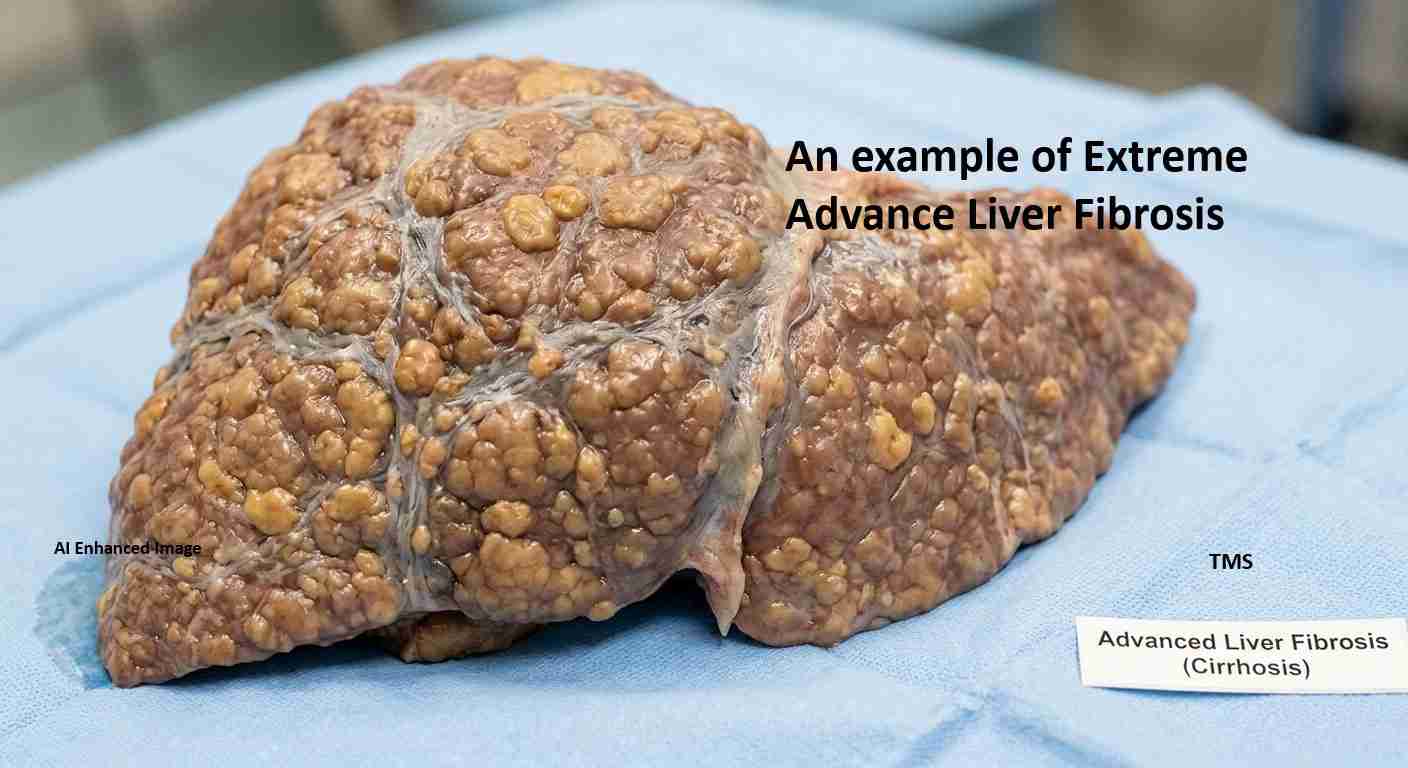
Occasional Binge Drinking May Triple Risk of Advanced Liver Scarring in People With Fatty Liver Disease, USC Study Finds
Occasional heavy drinking — four or more drinks for women or five or more for men in a single day at least monthly — may nearly triple the risk of advanced liver fibrosis in people with MASLD, USC researchers report.
Key takeaways
- Pattern matters: One monthly episode of episodic heavy drinking was associated with nearly three times the odds of advanced fibrosis in people with metabolic dysfunction-associated steatotic liver disease (MASLD). Source: Keck Medicine of USC press release.
- Large sample: Researchers analyzed responses from more than 8,000 U.S. adults in NHANES (2017–2023) to identify associations between drinking patterns and liver scarring.
- Widespread behavior: More than half of all participants reported occasional heavy drinking; nearly 16% of those with MASLD reported this pattern.
- Local relevance: In places like Sonoma County, where metabolic disease is common, even occasional binge episodes could meaningfully increase local liver-disease risk.
Main story
Study overview and design
Researchers led by hepatologist Brian P. Lee, MD at the University of Southern California examined responses and clinical measures from the National Health and Nutrition Examination Survey (NHANES) covering 2017–2023. The team focused on drinking patterns — specifically episodic heavy drinking — rather than only total weekly alcohol intake. The study sample comprised more than 8,000 U.S. adults; results and context are summarized in the Keck Medicine of USC press release.
Definitions used
- Episodic heavy drinking: Defined as four or more drinks in one day for women or five or more for men, at least monthly.
- MASLD: Metabolic dysfunction-associated steatotic liver disease — fatty liver tied to obesity, diabetes, high blood pressure, and high cholesterol.
What the data showed
Among adults identified with MASLD, those reporting at least one episode per month of episodic heavy drinking had nearly three times the odds of advanced liver fibrosis compared with people who spread the same total alcohol over time. The team also observed a dose relationship: the more drinks consumed during a binge session, the greater the odds of scarring. Younger adults and men reported episodic heavy drinking more frequently. (Source: Keck Medicine of USC press release; see also the video interview with Brian P. Lee, MD.)
“In the liver world, we’re used to thinking about this as an average — for example, we categorize patients based on alcohol consumption per week. The pattern matters very much… episodic heavy drinking is an incredibly common pattern.” — Brian P. Lee, MD
Medical context: why the pattern matters
Alcohol can directly inflame liver cells and trigger fibrosis. In MASLD, the liver is already stressed by fat accumulation and metabolic inflammation; repeated heavy episodes appear to overwhelm protective mechanisms, increasing inflammation and scarring beyond what would be expected from the same total weekly intake spread evenly. Laboratory and animal data support this mechanism — for example, a UCSF mouse study showed repeated binge sessions produced rapid fatty liver and oxidative damage not seen after single or moderate drinking episodes. A broader review of animal and human studies describes related pathways including oxidative stress and immune activation.
How this fits with prior alcohol research
Large meta-analyses have long linked sustained heavy drinking to cirrhosis and death; very heavy daily drinking shows dramatically higher cirrhosis risk. The USC findings highlight a complementary concern: even occasional heavy drinking episodes can be harmful when layered on top of fatty liver disease. See a representative meta-analysis on alcohol and cirrhosis risk for background.
Study limits and interpretation
The study is observational and cannot prove causation. Alcohol intake was self-reported, a known source of underestimation or recall error. Results are most directly applicable to people with MASLD and may not generalize to other populations. Authors and independent experts recommend cautious interpretation and further research before changing broad public-health policy. (Source: Keck Medicine of USC press release.)
Clinical and patient implications
When counseling patients, clinicians should ask not only about weekly totals but also about drinking patterns: how often do patients consume four or more drinks in a day (women) or five or more (men)? For people with obesity, type 2 diabetes, hypertension or high cholesterol — common metabolic risks — even occasional binge episodes may increase the chance of liver fibrosis. Practical steps include reducing drinks per session, spreading drinks across days, adding alcohol‑free days, or pursuing testing and counseling when indicated.
Implications for Sonoma, California
- Local burden: Some Sonoma County communities have high rates of obesity and metabolic disease, increasing MASLD prevalence and the population at risk from episodic heavy drinking.
- Public health messaging: Local campaigns should note that liver damage can follow episodic bingeing as well as chronic heavy use; focusing only on weekly limits may miss this pattern.
- Clinical screening: Sonoma clinicians can screen for episodic heavy drinking with direct questions (for example, “How often do you have four or more drinks in a day?”) and tailor monitoring or counseling accordingly.
- Community steps: Wineries, event organizers and community groups might adopt harm-reduction measures — limiting tasting pours, offering alcohol-free alternatives, and sharing clear health information — to reduce risky episodic patterns.
- Resources: Local health systems such as Kaiser Permanente, Sutter Health and UCSF-affiliated clinics offer testing and counseling for those concerned about liver health.