Regional Parks and conservation partners launch three‑year effort to revive Russian River tributary
Sonoma, California (Sonoma Times) – Sonoma County Regional Parks has received a $1.5 million grant from the California Wildlife Conservation Board to restore salmon and steelhead habitat along Mark West Creek, a key tributary of the Russian River that supports some of the region’s last remaining summer water flows. The project, developed with the Sonoma Resource Conservation District and Trout Unlimited, aims to rebuild natural creek structures, improve water quality, and strengthen watershed health.
Top Coverage Areas:
Environmental restoration and habitat recovery
Salmon and steelhead conservation in Sonoma County
California’s 30×30 climate and biodiversity goals
Local partnerships and stewardship efforts
Historical context of Mark West Creek land preservation
Restoring a Living Creek
The restoration funded by the Wildlife Conservation Board will improve conditions across several miles of Mark West Creek within the Mark West Creek Regional Park and Open Space Preserve east of Santa Rosa. The three‑year effort will use “process‑based restoration” — a low‑tech approach that mimics natural systems such as beaver dams and fallen trees — to slow water flow, reconnect floodplains, and reopen fish passageways blocked by old concrete structures.
These methods are increasingly favored statewide for their cost efficiency, ecological benefits, and reduced long‑term maintenance. By using wood and rock materials sourced from the site, the project will also help manage wildfire risks in surrounding parklands.
Ecological and Statewide Significance
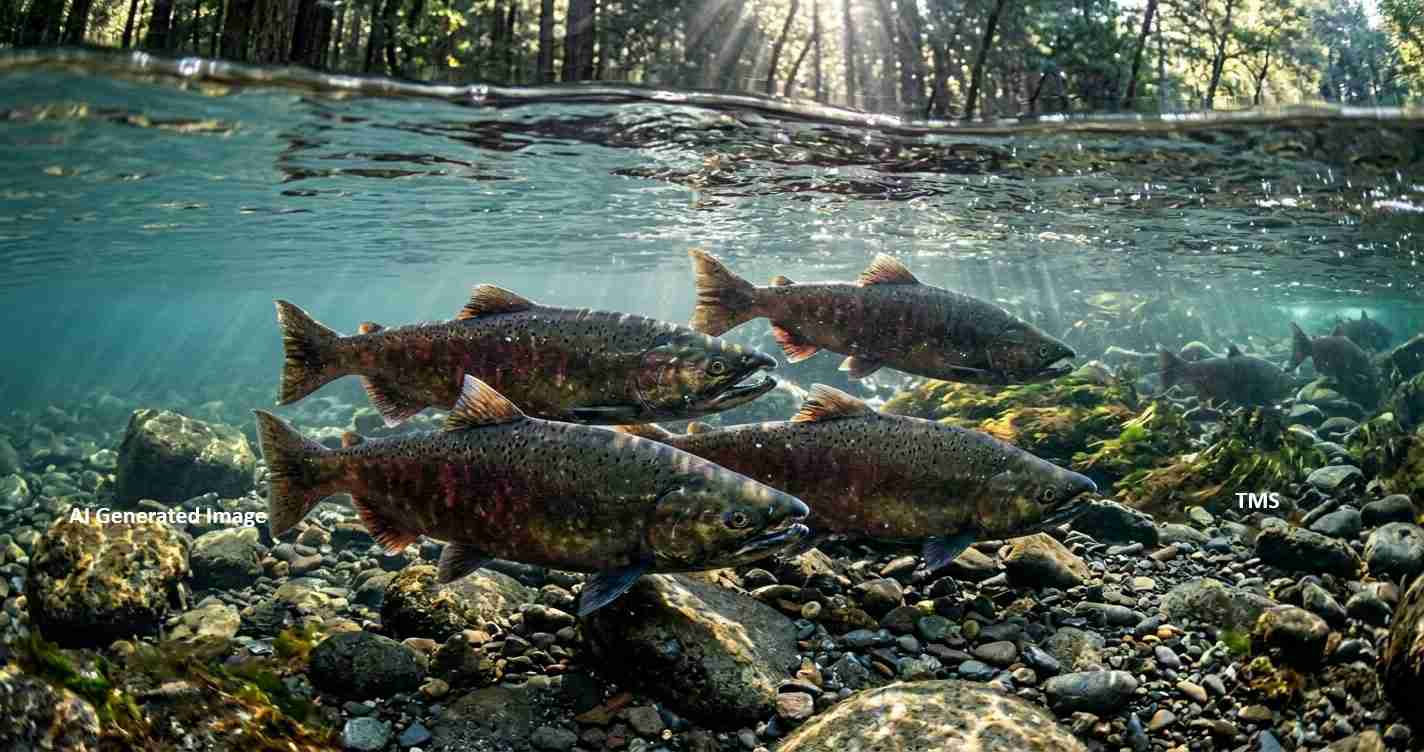
Mark West Creek has long been recognized as one of the most ecologically important tributaries in the Russian River watershed. It remains one of the few streams that reliably flow through summer months, making it vital for coho salmon and steelhead during critical life stages. However, decades of channel modification, sediment buildup, and declining groundwater levels have steadily reduced habitat quality.
The new grant is part of more than $59 million awarded statewide to 27 projects by the Wildlife Conservation Board this month. Five of those, including Mark West Creek, directly advance California’s “Salmon Strategy for a Hotter, Drier Future,” an initiative focused on restoring floodplains, improving spawning and rearing conditions, and building resilience against climate extremes.
Linking Local Efforts to the 30×30 Vision
These state investments support Governor Gavin Newsom’s larger goal of conserving 30 percent of California’s land and coastal waters by 2030—known as the 30×30 initiative. The effort seeks to protect biodiversity, promote equitable access to nature, and address the impacts of climate change through cooperative local projects.
Sonoma County Regional Parks, which manages more than 60 parks and preserves countywide, plans to begin the Mark West Creek work later this year. The agency is also preparing a master plan to guide the full public opening of the 1,120‑acre preserve, which currently offers limited access during preview events and guided outings.
A Legacy of Conservation
The Mark West Creek Regional Park and Preserve traces its modern conservation roots to 2018, when Sonoma County Agricultural Preservation and Open Space District transferred the property to Regional Parks for long‑term stewardship. The site’s restoration continues a decades‑long effort to balance recreation, habitat protection, and community education within the Russian River watershed.