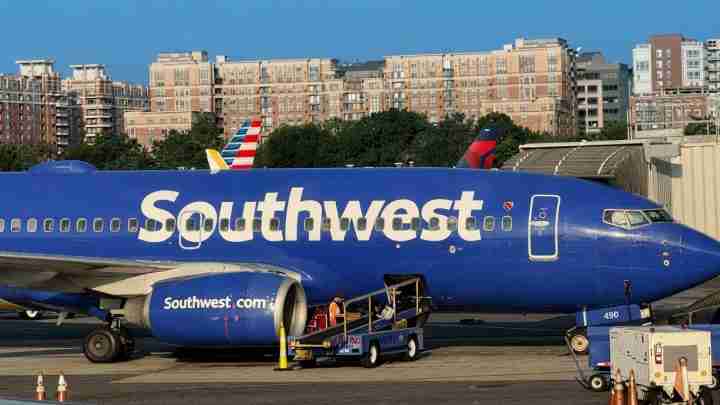
Senate Advances Funding Package as FAA Orders Flight Reductions, Leaving Travelers Facing Widespread Delays
American travelers face widespread cancellations and delays after the FAA ordered flight reductions at major U.S. airports amid severe staffing shortages tied to the government shutdown; the Senate is advancing a bipartisan funding package to restore normal operations.
- FAA emergency reductions: Carriers must cut operations at designated High Impact Airports, rising to a 10% cut by Nov. 14, 2025; carriers began implementing at least a 6% cut on Nov. 11, 2025.
- Cause: The FAA says severe staffing shortages from furloughs and unpaid work during the shutdown drove the emergency order (FAA emergency order).
- Response: Senators have advanced a bipartisan funding package to end the shutdown and restore FAA staffing, but final passage and the president’s signature are required.
- Traveler impact: Airlines are offering rebooking, refunds and waivers; passengers should monitor flights closely and expect disruptions until funding and staffing are resolved (Airline update).
What the FAA ordered and why
The FAA issued an emergency order asking airlines to reduce scheduled flights at the nation’s busiest hubs by naming specific High Impact Airports and setting a staged reduction plan. Carriers must submit daily lists of planned flight reductions to the FAA Slot Administration, which will review and may modify proposals to avoid unequal or regional imbalances.
The agency framed the action as necessary for safety and to align operations with available staffing. Officials said staffing levels dropped because many federal employees — including air traffic personnel — were furloughed or working without pay during the prolonged government shutdown. The full directive is posted as the FAA emergency order.
How travelers are being affected
Airlines and airports nationwide have canceled or delayed flights to comply with the FAA limits. On high-traffic days, passengers report long lines, missed connections, and last-minute schedule changes. Fewer seats on popular routes have increased demand and made alternate travel times harder to find.
“Passengers are being advised to arrive early, confirm flights, and be prepared for alternate plans,” said a ticketing office manager handling high volumes of rebookings and refunds.
Carriers such as American Airlines say they will adjust schedules, offer rebooking and refunds, and urge travelers to monitor flights closely. See the airline advisory for more details: Airlines’ update on FAA directive.
Senate moves to end the shutdown
Public pressure and the travel chaos prompted bipartisan action in the Senate. Lawmakers advanced a funding package designed to end the shutdown and restore pay and staffing to federal workers, including FAA personnel. If enacted, the funding would allow agencies to recall furloughed staff and return operations to normal.
Important: The package has advanced in the Senate but still needs final votes and the president’s signature. Until then, staffing shortfalls and FAA-mandated reductions remain likely.
Political reaction and blame
The disruptions have become highly political. Sen. Duffy criticized Transportation Secretary Pete Buttigieg for his handling of the situation, arguing public comments and planning did not protect travelers. Transportation Department officials defended the FAA’s action, saying the emergency order followed staffing reviews that showed operations could not be safely maintained at previous levels.
Republicans and Democrats are trading blame: some point to agency leadership and planning, others to the opposing party for delaying emergency funding. Meanwhile, travelers, consumer advocates and industry groups are urging quick Congressional action to restore FAA staffing.
How airlines are responding
- Daily coordination: Carriers submit planned reductions each day as required and work with the FAA, which may change plans to prevent regional unfairness.
- Passenger relief: Airlines offer flexible rebooking, waivers for change fees, and refunds, while adjusting airport staffing and crew routing to keep flights running under limits.
- Operational moves: Some carriers may consolidate smaller flights, reduce frequency on less profitable routes, or swap in larger aircraft to move more passengers with fewer departures.
Traveler guidance
Practical tips to reduce disruption:
- Check flight status frequently and before leaving for the airport.
- Sign up for airline text and email alerts.
- Consider off-peak travel or alternate airports.
- Allow extra time for connections and airport processing.
- Ask airlines about rebooking and refund options if your flight is canceled.
Key documents and advisories
Implications for Sonoma, California
Sonoma County’s tourism-driven economy could feel immediate impacts from reduced flight capacity at nearby airports such as Charles M. Schulz–Sonoma County Airport (STS), San Francisco International (SFO) and Oakland (OAK). Fewer flights and canceled connections may lower hotel, winery and event bookings in the short term.
Economic impact
Tourism, dining, wine events and small businesses that rely on visitors may see decreased bookings. Reduced flight availability can limit quick access for weekend and short-trip visitors, directly hitting local hospitality revenue.
Political consequences
Local officials may increase pressure on federal representatives to expedite funding. Restoring FAA staffing quickly could become a campaign issue as voters associate travel disruptions with federal gridlock.
Social effects
Residents traveling for work, medical care or family reasons may face longer journeys, forced driving to other airports, or reliance on alternate transportation. These disruptions can increase stress and lost income for those dependent on timely travel.
Cultural relevance
Wine festivals and tour events could lose out-of-town attendees. Organizers may need to offer virtual options or adjust schedules. Weekend-driven hospitality businesses could see noticeable attendance drops.
Practical applications for residents
- Check whether flights connect through FAA High Impact Airports and confirm with your airline.
- Provide inbound guests with alternate airport suggestions and recommended arrival buffers.
- Businesses should prepare flexible staffing plans and cancellation policies to reduce financial strain while supporting customers.
Bottom line
The situation remains fluid: Senators are advancing a bipartisan funding package to lift the shutdown and help restore FAA staffing, but travelers should expect continued U.S. airport disruptions until lawmakers finish the process and the FAA implements staffing changes. For reference, see the FAA emergency order and the airline advisory.