Arkansas father facing murder charge wins Lonoke County GOP primary, vows to “restore trust” after alleged predator’s death
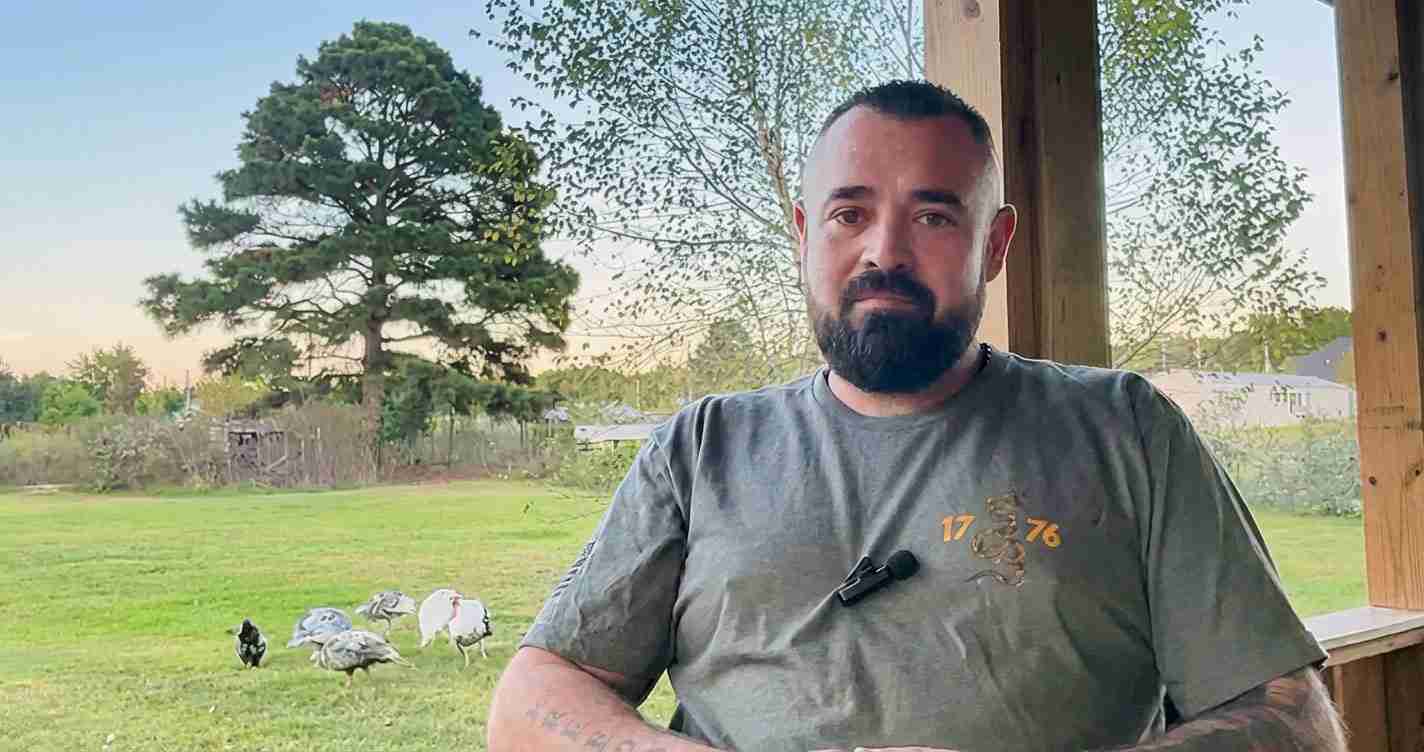
Aaron Spencer, charged with second-degree murder in the Oct. 8, 2024, death of Michael Fosler, won the Lonoke County Republican sheriff primary March 3, 2026, with more than 53% of the vote while his criminal case remains pending.
- Primary win: Spencer secured the Republican nomination with more than 53% of the vote, defeating incumbent John Staley and David Bufford (Here are the results in the 2026 Arkansas primary election).
- Pending murder charge: Spencer is charged with second-degree murder in the Oct. 8, 2024, shooting death of Michael Fosler and has pleaded not guilty; he remains free on bond while the case is unresolved (On the ballot and awaiting trial: Aaron Spencer on bridging the gap in Lonoke County).
- Campaign themes: Running as an outsider and Army veteran, Spencer emphasized fixing perceived failures in child-crime prosecution and pledges to “restore trust” through proposals like a SAFE Unit and victim advocacy improvements.
The shooting and the charges
Incident summary: Court records and news reports say the shooting occurred early on Oct. 8, 2024. Spencer woke to find his 14-year-old daughter missing and later located her inside Michael Fosler’s pickup. Prosecutors allege Spencer forced the truck off the highway; a confrontation followed and Fosler was fatally shot. Spencer called 911 after the shooting.
Prosecutors’ view: Fosler had been charged with multiple sexual offenses tied to Spencer’s daughter and was out on bond at the time. Prosecutors argue Spencer took the law into his own hands. Spencer’s defense says he acted to protect his child and he has pleaded not guilty.
Campaign without law-enforcement experience
Spencer, an Army veteran and farmer, ran a personal, outsider-style campaign focusing on perceived system failures. In campaign messaging he said, “Through my own fight for justice, I have seen firsthand the failures in law enforcement and in our circuit court… This campaign isn’t about me. It’s about every parent, every neighbor, every family who deserves to feel safe.”
Policy proposals: Despite no prior policing experience, Spencer proposed concrete changes: creation of a Sexual Assault and Family Endangerment (SAFE) Unit for prevention and victim support, raising bonds for violent crimes against children, and prioritizing victim advocacy and mental-health services.
Primary results and reactions
Unofficial returns posted by the Arkansas Secretary of State showed Spencer defeating incumbent Sheriff John Staley and challenger David Bufford. Staley — whose deputies arrested Spencer in 2024 — publicly congratulated Spencer after polls closed, writing on Facebook that he respected voters’ decision.
“We don’t live in the Wild West.”
That sentiment echoed prosecutors’ warnings against vigilantism after Spencer’s victory, and the outcome drew national attention because it placed a defendant facing a murder charge atop a local law-enforcement ticket. Spencer will face Democratic nominee Brian Mitchell Sr. in November if he remains the nominee.
Legal status and timing
Case status: Spencer has pleaded not guilty and is free on bond. A trial previously scheduled for January was delayed after the Arkansas Supreme Court removed the original judge, creating an indefinite postponement.
Eligibility note: Under state law, a felony conviction would bar Spencer from serving as sheriff, so a conviction in the murder case would make him ineligible even if he were elected in November.
Reporting limitations and open questions
Available public reporting and court records outline the charges and election outcome, but gaps remain. Unofficial tallies were reported without full precinct-level detail. There is limited public comment so far from Democratic nominee Brian Mitchell Sr., and few statements from victims’ advocates or outside legal experts have been published in local coverage.
Key administrative questions remain about how county officials would handle potential legal and administrative conflicts if Spencer advances, including transition planning and custody of the sheriff’s office pending a possible conviction.
Why the race matters beyond Lonoke County
The Spencer campaign outcome touches on national debates about public safety, trust in law enforcement, and voter willingness to back candidates with pending criminal charges. Voters weighed a candidate’s personal narrative and policy proposals against serious pending allegations; many prioritized promises to strengthen protections for children and to “restore trust.”
Implications for Sonoma, California
- Public trust: Sonoma County officials and advocates may see renewed calls for transparency, stronger victim support, and clearer communication about investigations.
- Election rules & eligibility: Local election administrators could revisit how candidate legal statuses are communicated to voters and how consequences of convictions for officeholding are explained.
- Bond and victim-advocacy debates: The race highlights pressure to review bond policies and increase resources for child protection, mental-health services, and victim advocacy.
- Outsider candidates: The result underscores how personal narratives and promises of leadership can resonate with voters even when candidates lack institutional experience.
- Practical steps: Law enforcement and county leaders can expand outreach about resources for families, clarify reporting pathways for suspected abuse, and strengthen partnerships with local advocacy groups.
What remains to watch
- Progress and scheduling of Spencer’s murder case, including any new court rulings or trial dates.
- Statements and campaign plans from Democratic nominee Brian Mitchell Sr. ahead of the November general election.
- Local and national reaction from victims’ advocates, law-enforcement groups, and legal authorities.