Autel device let thieves steal cars in under 60 seconds, U.S. attorney says; vehicles shipped overseas
WASHINGTON, (Sonoma Times) – U.S. Attorney Jeanine Pirro on April 22, 2026 announced a 15-count federal indictment accusing five men of running an international car-theft ring that used an Autel device to reprogram vehicle computers and ship stolen cars overseas.
- Indictment: Jeanine Pirro unsealed a 15-count federal indictment against five suspects; coverage and a briefing video are available from Fox News.
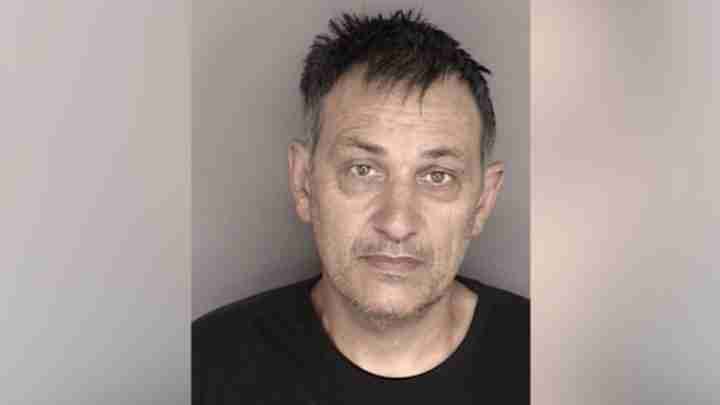
- Named defendants: The indictment names Jacob Hernandez, David Coby, Dustin Wetzel, Chance Clark and James Young, charged with conspiracy and transporting stolen vehicles (Fox News).
- Method: Crews used an off-the-shelf Autel-style tool to reprogram a vehicle’s computer so a blank key fob would work — thefts that took “less than 60 seconds.” Coverage includes video excerpts and reporting from Noticias Fox.
- Exported overseas: Vehicles were moved through “cooling off” zones, plates and VINs swapped, then shipped (containers mislabeled as “furniture”) through East Coast ports including Savannah and Baltimore, primarily bound for markets in Africa (KATV).
Method of theft: rewriting the car’s “brain”
Pirro described the ring as an example of “old crimes being committed in new ways.” Prosecutors say suspects used a compact, off-the-shelf Autel-style device to connect to a vehicle’s internal computer (its electronic control modules) and reprogram it so a blank key fob would be accepted. As Pirro put it in the briefing:
“No keys, no hot wiring, no smashed windows, no drama … Bang, less than 60 seconds, the car is gone.”
The tools — available legitimately to mechanics and locksmiths for diagnostics and key programming — were, prosecutors say, used unlawfully to reset essential vehicle programming and pair blank fobs so thieves could drive away without forcing entry or disabling alarms (Fox News; Noticias Fox).
What happened after the thefts
Investigators say once a vehicle was started, suspects disabled onboard tracking features — including GPS and Bluetooth — to hinder location detection. Vehicles were moved to “cooling off” locations (Pirro cited a Marriott parking area and the Navy Yard area in D.C. as examples) where license plates and VINs were swapped.
After re-identification, cars were loaded onto transport carriers and taken to ports. Containers were reportedly mislabeled as “furniture” to reduce scrutiny before shipment overseas, primarily to Africa. Regional reporting and federal statements detail the use of Savannah and Baltimore ports and coordinated transport steps (KATV; Fox News).
Scope and losses
The indictment lists more than 20 vehicles recovered or tied directly to the case with a combined value near $1 million. Pirro told reporters investigators are pursuing roughly 100 more thefts linked to the same crew in D.C. alone, and officials connected more than 30 thefts in Prince George’s County, Maryland.
Authorities estimate total losses across jurisdictions could reach about $4 million. Popular targets included Honda Civics — a long-standing theft target — and higher-end models such as Corvettes and Camaros (reporting summarized from Fox News and local outlets).
Charges and law enforcement response
Federal authorities unsealed a 15-count indictment on April 22, charging the men with conspiracy to transport stolen vehicles, possession of stolen vehicles with intent to transport, and related counts. Pirro announced the charges at a press event attended by the Metropolitan Police Department, the FBI and D.C. Mayor Muriel Bowser.
The probe is ongoing; authorities say more vehicles and leads remain under investigation and federal prosecutors are working with local and regional partners to track shipments and identify additional defendants (WLOS; KATV).
Press coverage and public comments
Pirro’s remarks were followed by television appearances and circulating video clips. Commentators and local stations amplified the narrative that criminal groups are adopting legal diagnostic tools for illicit purposes; news outlets have published briefing excerpts, video, and Spanish-language coverage (Fox News; YouTube video; Noticias Fox).
Implications for Sonoma, California
Though the indictment centers on East Coast thefts, the case carries national implications that could affect Sonoma residents, insurers and local officials. Below are the likely local impacts and recommended practical steps.
Economic impact
Insurance costs: Auto theft rings that export stolen vehicles can drive up premiums nationwide, potentially affecting Sonoma drivers and insurers. Owners of commonly targeted cars — older Hondas, compact models and some sports cars — may face higher rates or stricter underwriting. Tip: review your auto policy and ask about anti-theft discounts.
Political consequences
The case underscores a national enforcement challenge: legal diagnostic and key-programming tools being misused. Sonoma voters and officials may press for tougher export controls, improved port inspections, and clearer rules for sale and tracking of key-programming devices.
Social effects
Concerns about fast, high-tech thefts could increase community anxiety about car security. Residents may shift behavior toward more garage parking, steering-wheel locks, and aftermarket systems. Neighborhood watch and homeowner associations may add car-theft awareness to agendas.
Cultural relevance
For a community like Sonoma — known for craftsmanship and small businesses — the idea that a cheap, portable device can erase a car’s security may feel especially unsettling. Conversations are likely to emphasize practical prevention and resilience over alarmist rhetoric.
Practical local steps
- Protect your vehicle: Use a garage, park in well-lit areas, consider steering-wheel locks or wheel clamps for older cars.
- Check with your dealer: Ask about software updates or additional password protection for key programming features.
- VIN etching and tracking: Inquire with local law enforcement about VIN-etch programs and approved aftermarket trackers that are difficult to disable.
- Report suspicious behavior: Notify police about repeated overnight parking, plate swaps, or groups working in parking lots — timely tips help investigations that may intersect larger schemes.
Local coordination and ports
Sonoma-area officials should monitor cargo security at West Coast ports such as the Port of Oakland and coordinate with county, state and federal partners. Federal briefings about device misuse and export routes can help local agencies spot patterns and develop responses.
Sources and further reading
- Fox News: Pirro warns car theft ring used new tech
- Video of Pirro’s comments
- Noticias Fox (Spanish) coverage
- KATV reporting
- WLOS reporting
Reporting drew from the U.S. Attorney’s public statements and the media coverage cited above; the investigation is ongoing and authorities say they are pursuing additional leads and vehicles.