How Disney’s Lucasfilm Buy Built — and Now Strains — the Star Wars Engine Ahead of The Mandalorian & Grogu
Burbank, California (Sonoma Times) – Disney’s 2012 purchase of Lucasfilm aimed to scale Star Wars across film, TV and merchandise; the strategy produced big hits, mixed creative returns and a streaming pivot now testing theatrical appetite ahead of The Mandalorian & Grogu.
- Big bet: Disney bought Lucasfilm for $4.05 billion to expand film, television and merchandising, per the Disney press release and an academic analysis.
- Early win: The Force Awakens (2015) restored box-office and retail momentum, fueling massive merchandising opportunities.
- Mixed creative returns: Streaming hits like Andor and The Mandalorian contrast with divisive saga sequels and underperforming standalone films.
- Streaming pivot: Disney+ now anchors Star Wars strategy, and company plans frame the franchise’s future ahead of the theatrical test of The Mandalorian & Grogu.
Acquisition, ambition and an early win
When Disney closed on Lucasfilm in 2012, the company did more than buy movie rights — it acquired a cultural brand with deep storytelling and merchandising reach. Company materials and scholarship show negotiations designed to preserve creative legacy while enabling Disney’s distribution and consumer-products muscle: see the Disney press release and the MIT study of the deal.
Disney’s stated plan was to return Star Wars to regular release cycles — roughly a new theatrical entry every two to three years — while expanding television and merchandise. The Force Awakens (2015) fulfilled that promise, delivering massive box-office returns and reviving retail demand for toys, clothing and collectibles.
Creative experiments and uneven returns
Under Kathleen Kennedy’s leadership, Lucasfilm pursued a two-track approach: continue the main saga while greenlighting standalone films and streaming series to explore side stories and lesser-known characters. That yielded both hits and misses.
Successes: Streaming series such as Andor and the first season of The Mandalorian earned critical praise and passionate followings. Rogue One has seen a rebound in reputation.
Shortcomings: Saga entries — notably The Last Jedi and The Rise of Skywalker — divided longtime fans. Solo underperformed in 2018, and several projects failed to match the early post-acquisition cultural lift.
“Where fans once assumed each new Star Wars project was a must-see event, reactions have grown more cautious, and that inconsistent enthusiasm can affect opening-weekend turnout and merchandise sales.”
Merchandise and marketplace logic
Merchandising was central to Disney’s rationale for the acquisition. Industry analysis at the time emphasized how ownership would secure retail shelf space and licensing deals for parks, toys and consumer products; see the merchandising analysis.
The Force Awakens demonstrated the playbook: film demand translated quickly into retail momentum. But the link between creative perception and retail performance is direct — lukewarm reception for new entries can lead retailers and specialty sellers to deprioritize product, affecting Disney’s broader revenue streams beyond ticket sales.
The streaming pivot and the Star Wars franchise future
By 2026, Disney’s strategy visibly shifted toward streaming. Public reporting shows Disney treating Disney+ as the franchise’s central platform, committing to multi-season projects and serialized storytelling; see recent coverage of company plans.
Streaming enables deep storytelling and subscriber retention, but it can also reduce the novelty and event-status of theatrical releases. Long-form series can enrich the universe while potentially diluting the mass-market excitement that drives blockbuster weekends.
The upcoming theatrical test: The Mandalorian & Grogu
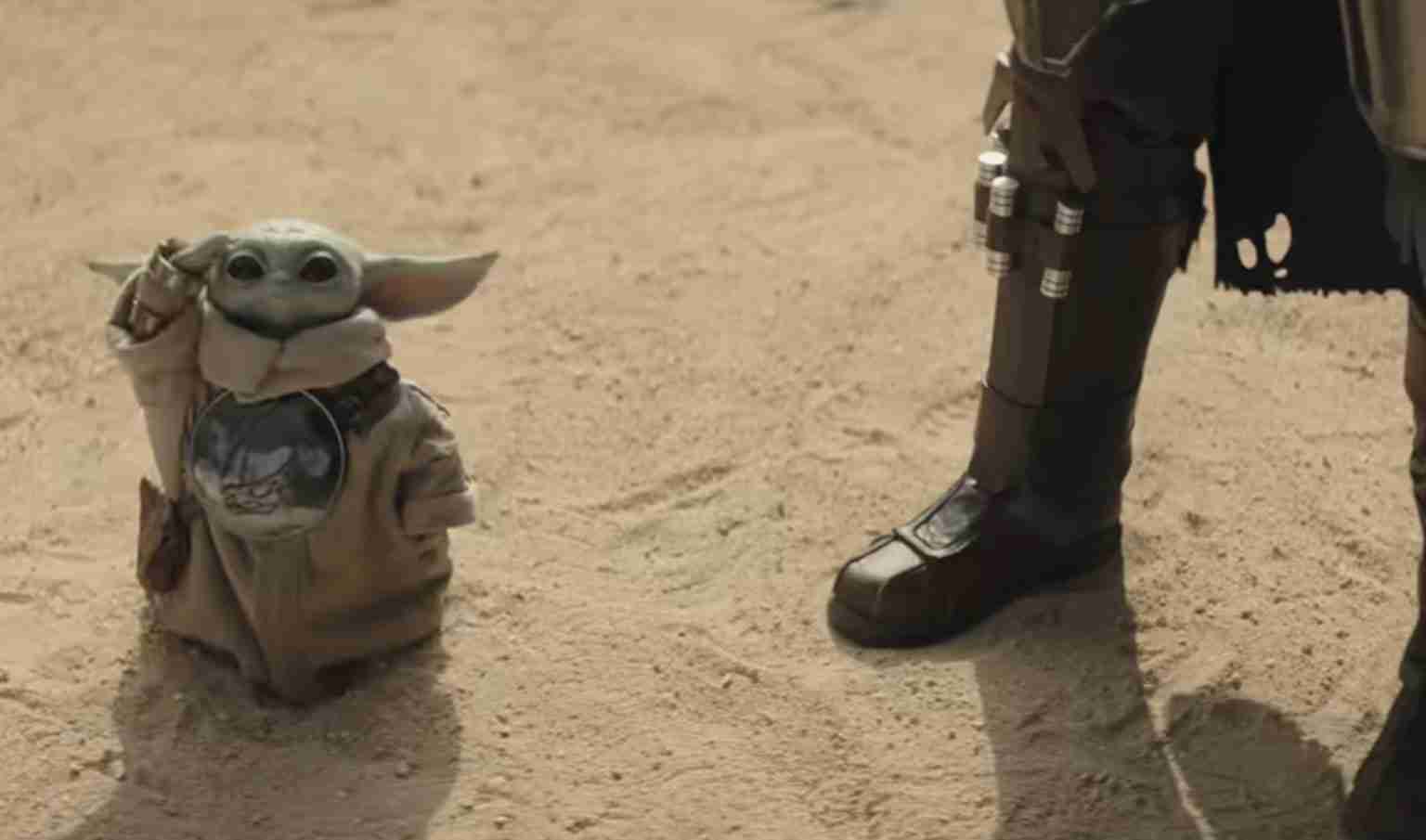
The Mandalorian & Grogu, directed by Jon Favreau and adapted from the popular Disney+ series, is billed as the first major Star Wars theatrical release since 2019. Grogu — colloquially “Baby Yoda” — became a pop-culture force that helped make the streaming show a must-see.
The film arrives in a different marketplace than 2015: the franchise now sits atop a larger streaming library with mixed critical responses. Early tracking has not matched the fevered pre-release numbers for The Force Awakens, and industry watchers will treat box-office performance as a key barometer of theatrical appetite for Star Wars.
What the records and reporting show
Academic and corporate studies explain why Disney believed the acquisition would scale Star Wars across multiple revenue streams; see the academic study and the Disney acquisition announcement. Industry analysts documented both the merchandising windfall after 2015 and subsequent challenges when releases underperformed or divided fans, as detailed in the merchandising analysis. Recent reporting also highlights Disney’s streaming emphasis and future plans: coverage of 2026 strategy.
Implications for Sonoma, California
Economic impact
- Local cinemas and small theaters: Sonoma County theaters rely on tentpole releases to drive weekend traffic. A strong Mandalorian turnout could boost ticket and concession sales; a weaker theatrical pull would reduce that support.
- Retail and local merchants: Toy stores, tourist gift shops and pop-culture boutiques in Sonoma feel national merchandising trends. Softer franchise momentum can translate to lower inventory turns and reduced seasonal hiring.
- Tourism and events: Film screenings, conventions and fan gatherings tied to major releases could see diminished attendance if national enthusiasm wanes.
Political and civic effects
- Cultural programming and arts funding: Arts councils may diversify programming if franchise-linked events draw fewer attendees, shifting grants toward locally rooted arts.
- Public policy debates: Officials overseeing small business recovery or cultural tourism could face pressure to adjust priorities as regional entertainment spending patterns change.
Social and cultural consequences
- Community engagement: Watch parties, youth cosplay events and library programs tied to Star Wars may see lower turnout — especially if families opt for streaming at home.
- Collector and fan communities: Fewer high-profile releases can reduce pop-up markets and meetups that support micro-economies for local artists and vendors.
Practical applications for residents
Moviegoing choices: Residents should check early reviews and local screening schedules before planning theater trips for The Mandalorian & Grogu. Early demand may be uneven, offering quieter theater experiences for some viewers.
Shopping and collectibles: Major national retailers will likely carry new Star Wars products, but small local shops may stock conservatively if national demand softens.
Local businesses: Restaurants, bars and venues planning premiere-night events should monitor advance ticket sales to avoid overcommitting staff for opening weekends.
Sources and further reading
- Disney press release on Lucasfilm acquisition
- Academic analysis of the acquisition and negotiation
- Merchandising analysis and industry context
- Coverage of Disney’s 2026 Star Wars strategy and streaming emphasis
- Fan and franchise reporting
- Related archival coverage and commentary
(United States — Sonoma Times)