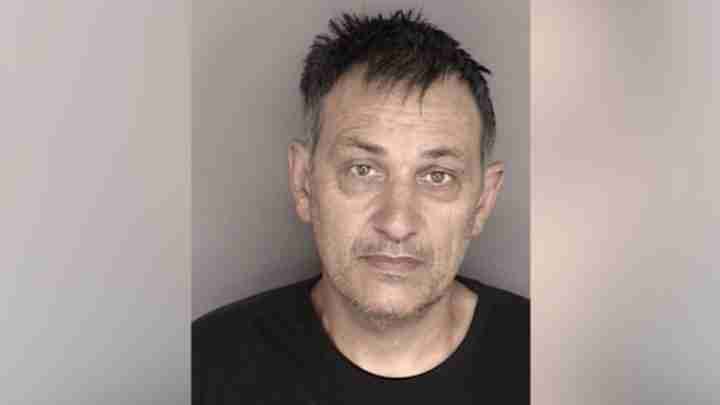
Operation Never Say Die: Eight Arrested in Southern California Hospice, Medicare Fraud Sweep
Los Angeles, California (Sonoma Times) – Federal prosecutors announced eight arrests in Southern California as part of Operation Never Say Die, alleging a $50–$60 million Medicare hospice fraud ring that enrolled non‑terminal patients to generate false claims and bill taxpayers across the region.
- Major takedown: The sweep — dubbed Operation Never Say Die — led to eight arrests and charges against more than a dozen people for allegedly billing Medicare tens of millions through sham hospice businesses. U.S. Department of Justice press release
- Modus operandi: Defendants allegedly recruited beneficiaries who were not terminally ill, paid them to enroll as hospice patients, and generated hundreds of millions in false claims; intended losses exceed $50 million. FOX 11 Los Angeles report
- Wide geographic reach: Arrests and search warrants were carried out in Covina, Glendale, Lakewood, Anaheim and Van Nuys during the coordinated operation. ABC7 Los Angeles report
- Notable defendants: Among those arrested were Gladwin and Amelou Gill, accused of operating a Glendale hospice that submitted $5.2 million in claims and received over $4 million. DOJ release • FOX 11
The arrests and charges
Federal prosecutors, led by the U.S. Attorney’s Office for the Central District of California, announced a coordinated sweep that resulted in eight arrests and criminal charges tied to hospice-related billing schemes. According to officials, the cases allege that sham facilities enrolled beneficiaries who were not terminally ill and then billed Medicare for hospice services, medications and durable medical equipment.
Criminal counts include health care fraud and wire fraud, which carry maximum penalties up to 10 years for health care fraud and up to 20 years for wire fraud depending on the charges and case details. The Justice Department estimates intended losses in the schemes at more than $50 million. DOJ press release
What officials said at the press conference
First Assistant U.S. Attorney Bill Essayli described Southern California as a “high‑risk environment” for health care fraud and emphasized a zero‑tolerance policy toward theft from taxpayers. The announcement highlighted multi‑agency coordination to disrupt organized fraud rings.
“We will take a zero‑tolerance approach toward theft from taxpayers,” officials said at the Los Angeles press event.
Dr. Mehmet Oz, head of the Centers for Medicare and Medicaid Services (CMS), announced a broader review of hospice providers in California, promising audits and potential moratoriums on high‑billing providers. He said CMS would “review every single hospice in California” and pursue actions expeditiously. FOX 11 Los Angeles • ABC7 Los Angeles
How the alleged fraud worked
Prosecutors say defendants recruited Medicare beneficiaries who were not terminally ill and paid them monthly cash or small goods to enroll as hospice patients, who are generally expected to have six months or less to live. Once enrolled, providers billed Medicare for hospice services and related items.
Additional tactics included billing insurers for unrelated services — such as chiropractic care and fabricated immigration medical exams — and aggressive “license flipping” where hospice licenses changed hands quickly to obscure true operators. Federal filings noted clusters of suspicious activity and up to 42 hospice licenses in a four‑block area of Van Nuys tied to questionable billing. FOX 11 report
Scope, charges and possible penalties
Intended losses: Authorities estimate intended losses in the alleged schemes at approximately $50 million to $60 million. Eight arrests were announced; additional individuals face charges and may be arrested or summoned.
Potential penalties: Criminal counts include health care fraud (up to 10 years) and wire fraud (up to 20 years), with actual sentences depending on the convictions, sentencing guidelines and case specifics. DOJ • FOX 11
Notable defendants
Prosecutors identified hospice owners, a chiropractor, nurses and other medical professionals among those tied to the schemes. Gladwin Gill, 66, a psychologist from Covina, and his wife Amelou Gill, a registered nurse, were named in filings; their Glendale‑based hospice allegedly submitted $5.2 million in claims and received more than $4 million from Medicare. The Gill family has pleaded not guilty through counsel and has said they look forward to their day in court. DOJ release • FOX 11
Controversy over comments and a viral video
Dr. Oz noted that unusually high hospice survival rates can be a red flag for fraud, suggesting that survival rates near 100% or above 50% in populations expected to die within six months warrant scrutiny. He suggested roughly half of some county facilities could be problematic by those markers.
Oz faced criticism after a viral video showed him in front of a Van Nuys bakery while alleging widespread fraud. The business owner called the claim false and discriminatory; prosecutors clarified that none of the defendants charged that day were connected to the business shown in the viral clip. ABC7 Los Angeles
Law enforcement coordination
The takedown involved the U.S. Attorney’s Office for the Central District of California, the FBI, the Department of Health and Human Services Office of Inspector General and other federal and local partners. Officials described the action as part of several planned “cluster” takedowns aimed at disrupting fraud rings, with more operations expected. DOJ • FOX 11
Implications for Sonoma County
Economic impact: Medicare fraud can drive up costs for taxpayers and insurers. If similar schemes emerged in Sonoma County, local providers could face increased audits, tighter controls and reduced referrals, affecting revenue for small community hospices and home‑health agencies.
Political and social effects: State and federal leaders may increase oversight and pressure on California providers and regulators. The case could become a campaign issue around fraud and elder care. Community trust in hospice services can be eroded, prompting families to scrutinize providers more closely.
Practical applications for residents
- Verify a hospice provider: Ask for the agency’s Medicare provider number and check enrollment and payment histories with CMS or California regulators.
- Watch for red flags: Offers of cash to enroll, aggressive recruiting, or promises of payments to beneficiaries are warning signs; legitimate hospices focus on comfort care and coordination with primary physicians.
- Report suspected fraud: Contact the HHS Office of Inspector General hotline or local law enforcement; Sonoma County aging services and adult protective services can assist. DOJ • FOX 11
Sources and verification
Reporting for this article draws from official filings and contemporaneous local coverage. Key sources include the U.S. Department of Justice press release, FOX 11 Los Angeles, ABC7 Los Angeles and local broadcast video of the press conference. Video coverage: Press conference video 1 • Press conference video 2
Source list (for hyperlinking)
- U.S. Department of Justice press release
- FOX 11 Los Angeles report
- ABC7 Los Angeles report
- CBS12 report
- Video coverage — press conference (YouTube)
- Video coverage — press conference (YouTube)
Reporting for Sonoma Times.