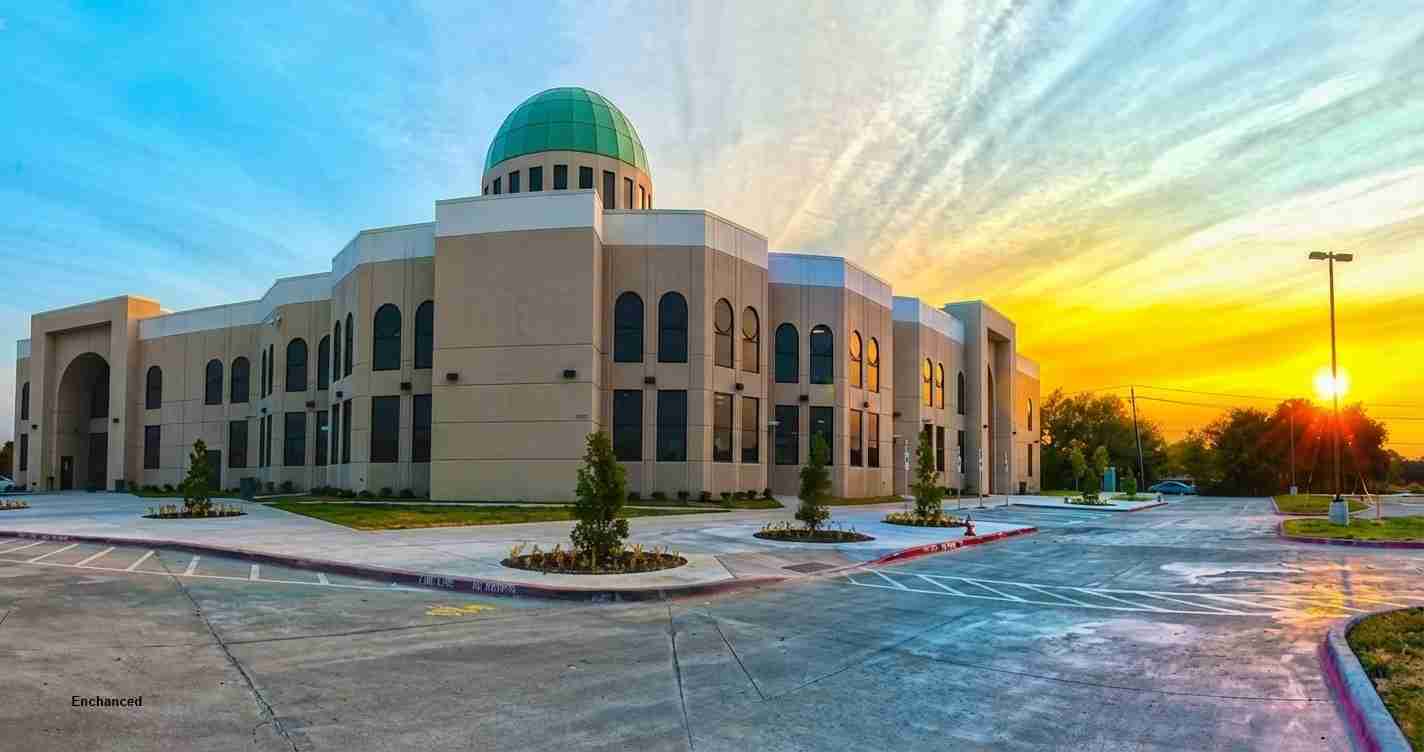
Texas AG sues Plano mosque over planned “EPIC City,” alleging fraud and “Muslims‑only” marketing
Texas Attorney General Ken Paxton filed a civil suit against the East Plano Islamic Center and related entities, alleging fraudulent securities practices and unlawful “Muslims‑only” marketing for the planned EPIC City development and seeking to halt the project.
- Defendants named: East Plano Islamic Center (EPIC), Community Capital Partners and individual leaders tied to the project (Source: Texas AG complaint reporting).
- Core allegations: Unregistered or improper securities offerings, failure to verify accredited investors, misleading promotional materials and marketing the community as Muslims‑only (Source: reporting).
- Remedies sought: Temporary restraining order, permanent injunction, civil penalties and disgorgement to halt fundraising and development (Source: reporting).
Where the case stands
The lawsuit follows a securities investigation opened by the Texas attorney general’s office in March. Investigators reviewed more than 750 documents and gathered written responses from Community Capital Partners before filing the civil complaint in early December. The office says the evidence shows the defendants solicited investments in a manner that violated Texas securities and housing laws (Source: reporting on the suit).
Who is being sued and what is EPIC City?
The complaint names EPIC — a well‑known Plano mosque and community center — along with Community Capital Partners and several leaders tied to the development effort. The plan promoted a master‑planned community with housing, a mosque, schools and businesses. Public-facing materials used the brand “EPIC City” while investor documents referred to the plan as “The Meadow.” Paxton’s office says the difference in names and the stated location were part of a pattern of misleading information given to potential investors (Source: reporting).
Securities and investor‑fraud allegations
The attorney general’s suit centers on securities law. Officials allege EPIC and Community Capital Partners solicited investments without following state rules and that promotional materials and investor solicitations omitted critical facts.
- Offered securities without proper registration or valid exemptions.
- Failed to verify that investors were accredited when required.
- Omitted or misrepresented key facts about location, risks and the nature of the project.
- Used promotional videos and other materials to solicit investors without disclosing them as part of the formal offering (Source: reporting).
Paxton’s office described the plan as a “fraudulent operation” and an “unlawful land project” that must be stopped, saying it appeared designed to “line their own pockets.”
These are allegations in a complaint; no court has yet ruled on them (Source: reporting).
Alleged “Muslims‑only” marketing and discrimination claims
A second strand of the complaint ties fundraising and promotion to unlawful, religion‑based marketing. The attorney general says some materials and investor pitches portrayed EPIC City as a community designed for Muslims only or primarily for Muslim residents. Under Texas and federal housing laws, religion is a protected class and advertising or otherwise restricting housing by religion can constitute unlawful steering and segregation (Source: reporting).
Paxton’s framing: his team argues the discriminatory marketing also affects legal status and marketability, which changes the risk profile investors should have been told about — a reason the state combined securities and discrimination claims (Source: reporting).
Investigation timeline and evidence
The office opened a probe in March and, by November, had collected more than 750 documents and written responses from project leaders. Those materials formed the basis for the December lawsuit, which asks a judge to immediately freeze fundraising and stop development work while the case proceeds (Source: reporting).
Responses from EPIC and affiliates
Public responses from EPIC, Community Capital Partners or the individual leaders named in the suit have been limited in initial reporting. The mosque is known in Plano for community activities and for seeking to build faith‑friendly housing and services for congregants. As of this writing, detailed legal defenses and statements contesting Paxton’s facts have not been widely published. The lawsuit’s claims are allegations to be tested in court. (Source: reporting).
How “Muslims‑only” marketing links to U.S. housing law
Federal and Texas housing rules protect religion as a class. Authorities say advertising or restricting housing sales or rentals by religion is unlawful. The attorney general argues that when exclusionary marketing is tied to a securities offering it also alters legal and financial risk to investors — a core rationale for combining securities and discrimination claims here (Source: reporting).
What Paxton is asking the court to do
- A temporary restraining order to stop further offers or sales tied to “The Meadow” or EPIC City and to halt development activity.
- A permanent injunction to prevent future similar offerings or projects.
- Civil penalties and disgorgement to recover funds allegedly obtained through misleading solicitations (Source: reporting).
Legal experts say the case will hinge on proof of investor communications, offering structure, compliance with securities rules, and whether marketing crossed into unlawful exclusion. Defendants are expected to assert the right to design faith‑friendly community services and to raise funds lawfully; the state contends lawfulness was not followed here.
Implications for Sonoma, California
Economic impact: Local real estate and community developers in Sonoma should watch the case for how it treats faith‑based community planning and investment. A ruling tightening enforcement of securities or housing‑discrimination law could make lenders and investors more cautious about niche, faith‑centered projects.
Political consequences: The lawsuit may influence local debates in Sonoma about zoning, housing diversity and community planning. Officials and voters favoring inclusive housing could push for clearer rules preventing exclusionary marketing.
Social effects: Sonoma’s diverse faith communities may see renewed dialogue about balancing faith‑friendly spaces with avoiding segregation; community leaders may prioritize inclusive design.
Cultural relevance: The case underscores tensions between religious liberty and equal access and may prompt advocacy for neighborhoods that welcome mixed backgrounds rather than exclusive enclaves.
Practical applications: Municipal staff, planning commissions and housing agencies in Sonoma should review anti‑discrimination guidance and investor‑disclosure rules. If the Texas case produces new legal standards, developers and religious organizations should consult counsel before marketing projects targeted to a single faith group or soliciting investor funds.
Reporting note and source
This article is based on public reporting and the attorney general’s complaint as described by local coverage. Key reporting used: KERA news, December 5, 2025.