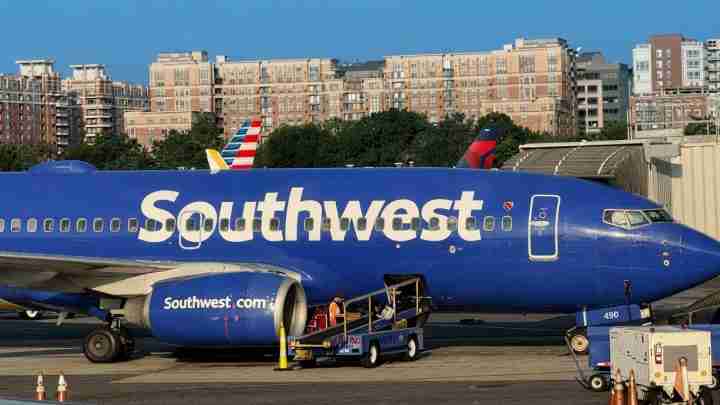
Congressional Gridlock Worsens Air Travel: FAA Cuts Flights, Millions Delayed as Controllers Shortage Deepens
An extended government shutdown tied to congressional gridlock has forced the FAA to cut flights at major hubs, leaving millions of passengers facing delays, cancellations and long security lines as air traffic controller shortages deepen nationwide.
- FAA caps traffic: The agency has applied an informal ~10% cap at about 40 high-volume airports to limit congestion amid controller shortages (Fox Business explainer, video reporting).
- Scale: Industry reporting links roughly 3.2 million passengers to delays or cancellations tied to staffing shortfalls since Oct. 1 (Fox Business).
- Local impact: Sonoma-area travelers face higher fares, fewer seats and more unpredictable connections through SFO, OAK and SMF as national hub slowdowns ripple outward.
Overview
The ongoing government shutdown has affected frontline aviation staff pay and staffing levels, prompting the FAA to reduce air traffic at many of the busiest airports. Practical effects include longer security lines, thousands of flights removed from daily schedules, and cascading delays across networks.
Airports hit hardest and how travelers are being affected
Federal measures to ease strain — notably an informal FAA reduction of about 10% in traffic at ~40 major hubs — have meant fewer takeoffs and landings per hour. That reduction is translating into thousands of flights removed on some days, longer travel times and amplified delays for connecting passengers.
Airports repeatedly cited as most affected include:
- Los Angeles International (LAX) — major West Coast hub with heavy domestic and connecting traffic (video reporting).
- New York-area airports (JFK, LaGuardia, Newark) — roughly 80% of New York-area airports report acute staffing impacts (Government Executive coverage).
- Seattle, Dallas, Houston, Phoenix — reported significant slowdowns and cancellations tied to controller callouts and fewer available slots (video; Government Executive).
- Other pressure points: Philadelphia, Jacksonville, Austin and Washington-area airports have also reported heightened impacts (Government Executive).
Numbers that matter
- 3.2 million — estimated passengers affected by delays or cancellations tied to air traffic control staffing problems since the shutdown began (Fox Business).
- 10% — the FAA-level reduction in traffic applied at about 40 high-volume airports (Fox Business; video).
- Thousands — flights removed from schedules on peak days as airlines and the FAA adjust to limited slots (video).
- 3+ hours — security screening lines reported where TSA staffing shortfalls are highest (Government Executive; CBS News).
- $1 billion/week — estimated economic cost to the travel sector and related business activity per industry analysts (CBS News).
Why this is happening: Air traffic controller shortages and system strain
The shutdown has frozen or delayed pay for many federal workers, prompting higher callout rates among TSA screeners and FAA air traffic controllers. Existing shortages — more than 3,000 certified controller openings before the shutdown — were compounded by slowed hiring and training pipelines during the impasse. Remaining staff report extended shifts (10-hour days, six-day weeks), raising fatigue and safety concerns (CBS News; video).
“With fewer certified controllers available, the FAA has limited traffic at busy airports to keep operations safe — but those limits ripple into delays, cancellations and higher costs for travelers.”
Airlines and travelers respond
Airline priorities: Major carriers such as United, Delta and American have reallocated resources to prioritize hub-to-hub and long-haul routes, while short-haul and connecting flights have borne a larger share of reductions (Fox Business; video).
Traveler impacts: Passengers report missed connections, long waits at security, added hotel and rebooking costs, and a growing need to know airline policies and keep receipts for reimbursements. Industry groups are urging Congress to resolve the shutdown so federal aviation staff can resume normal pay and scheduling (CBS News live updates).
Implications for Sonoma, California
Economic impact: Sonoma County depends on SFO, OAK and SMF and connections through hubs such as LAX and PHX. Reduced capacity and cancellations can raise fares, shrink seat availability and increase travel costs for local businesses and tourism.
Political consequences: Constituents and business groups may press local representatives to prioritize ending the shutdown and restoring aviation pay and staffing. Local leaders could push for targeted funding or staffing relief in any spending deal.
Social and cultural effects: Disruptions affect family travel, medical appointments and time-sensitive business. Sonoma’s wine and hospitality industries — which rely on predictable travel flows — risk lost bookings, strained vendor relationships and cancellations of events and conferences.
Practical applications for residents
- Check before you go: Verify flights with your airline and monitor FAA and airport advisories.
- Allow extra time: Expect longer security lines at major Bay Area airports and add extra connection time.
- Consider alternatives: Driving to a different airport or adjusting travel dates can avoid peak disruptions.
- Know your rights: Keep receipts for expenses tied to cancellations or long delays and review airline rebooking and reimbursement policies.
Reporting and source notes
- Fox Business: How government shutdown affects international flights and air travel disruptions
- YouTube reporting segment documenting FAA reductions and airport impacts
- CBS News live updates on canceled flights and airline responses
- Government Executive coverage of TSA, FAA and controller callouts
- CBS News reporting on shutdown travel impacts and economic costs
Bottom line: The Government Shutdown Air Travel crisis and worsening air traffic controller shortages are producing widespread U.S. airport delays that ripple to local communities like Sonoma. Travelers should plan conservatively, stay informed through official airline and airport channels, and expect disruptions until congressional action restores regular pay and staffing.