U.S. warns tourists to “reconsider travel” to Trinidad and Tobago as crime, terrorism concerns persist
The U.S. Department of State on May 7, 2025 kept Trinidad and Tobago at a Level 3 “Reconsider Travel” advisory, citing violent crime and elevated terrorism concerns even after the State of Emergency ended on April 13, 2025.
- Level 3 advisory maintained: U.S. officials cite violent crime and heightened terrorism concerns; see travel.state.gov.
- Specific restricted areas: Several Port of Spain neighborhoods and nighttime public spaces are listed as high risk for U.S. government employees and travelers.
- Tobago vs Trinidad: Crime rates are generally lower in Tobago, but rural health-care limits and other hazards remain important cautions.
What the travel advisory says
The May 7 update keeps Trinidad and Tobago at Level 3, “Reconsider Travel.” The advisory highlights violent crime as a major nationwide risk and notes elevated terrorism concerns. Travelers are urged to stay aware of surroundings and avoid areas identified by the U.S. government; see the Department of State guidance at travel.state.gov.
Restricted zones and safety guidance
The advisory lists specific Port of Spain neighborhoods where U.S. government employees are prohibited from entering, including Laventille, Piccadilly Street and Besson Street. It also warns against visiting Beetham, Sea Lots, Cocorite, parts of Charlotte Street and the interior of Queen’s Park Savannah. At night, the advisory discourages travel to beaches in Port of Spain, downtown Port of Spain, Fort George and Queen’s Park Savannah. The full advisory is available on travel.state.gov.
State of Emergency: what changed
Trinidad and Tobago declared a State of Emergency earlier this year after a spike in violent crime. That SOE granted police broader powers, including searches and suspension of bail. According to the State Department, the emergency officially ended on April 13, 2025; the travel advisory was updated to reflect that change while continuing to warn about crime and terrorism risks. See Trinidad and Tobago Country Information.
Crime trends and local context
U.S. officials and analysts say violent crime fell significantly after expanded security measures that began during prior states of emergency in 2024. Despite improvements, crime remains a challenge. The advisory notes that Tobago generally experiences lower crime rates than Trinidad, but visitors should still exercise caution. For additional reporting, see Travel and Tour World and travel.state.gov.
Terrorism warning and embassy guidance
Alongside crime warnings, the advisory signals elevated terrorism risks. The U.S. Embassy in Port of Spain reiterated the Department of State’s guidance and urged heightened vigilance. The embassy reminds U.S. citizens to enroll in the Smart Traveler Enrollment Program (STEP) for updates and to follow local media and official channels; see the U.S. Embassy statement.
“U.S. citizens should remain vigilant and monitor local media and official channels for updated information,” the embassy statement said.
Health risks and rural access
The advisory warns travelers to exercise caution in rural areas because of limited health-care availability. Visitors may face delayed access to advanced medical treatment; the State Department suggests planning for medical contingencies and considering evacuation or medical insurance that covers emergency transport. See Trinidad and Tobago Country Information.
Tourism, local reaction and online discussion
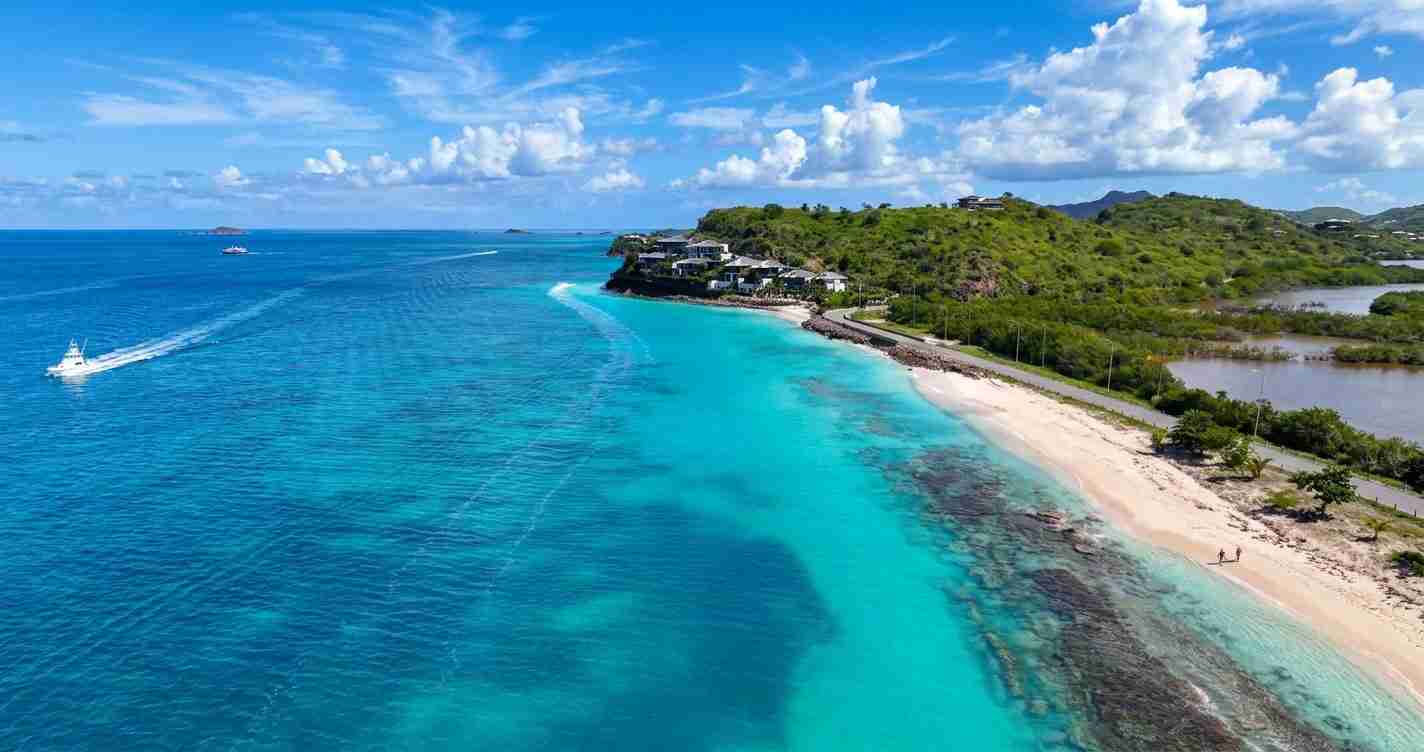
Trinidad and Tobago remain popular for beaches, diving, snorkeling and Trinidad’s Carnival. Still, the advisory has prompted concern among locals and tourists. Media coverage and the embassy statement reaffirm official guidance. Online forums include mixed public discussion; residents posted alarm on platforms like Reddit, but such posts are not a substitute for official statistics. See local reporting at Trinidad Guardian — “US Embassy advisory flags terrorism risk in TT”.
Practical steps: avoid listed high-risk neighborhoods, do not walk alone at night in Port of Spain, secure valuables, use reputable transport services, carry copies of travel documents, and register with STEP (U.S. Embassy statement).
Implications for Sonoma, California
Economic impact
Local travel agencies and advisors in Sonoma may see postponed or canceled bookings for Carnival and diving trips, with potential short-term revenue losses. Travel insurers and airlines could handle increased claims or rebooking requests.
Political and civic consequences
County officials and travel providers may receive constituent questions about safety. Public health and emergency services should be prepared to advise residents on travel risks and insurance.
Social effects
Families in Sonoma with ties to Trinidad and Tobago will likely worry about relatives and friends. Community groups should share reliable resources and help vulnerable residents enroll in STEP or find consular information.
Cultural relevance
Trinidad’s Carnival has strong cultural significance. Sonoma’s Caribbean cultural groups and events could feel ripple effects if travel and cultural exchange decline.
Practical advice for Sonoma residents
- Check official guidance before booking or departing; consult travel.state.gov.
- Consider alternatives or travel to Tobago where crime rates are generally lower.
- Purchase travel insurance covering medical evacuation and trip cancellation; confirm local medical facility capacity.
- Prepare locally: provide clients with U.S. Embassy contact details and STEP enrollment steps (U.S. Embassy statement).
Reporting note & sources
This article draws on the U.S. Department of State travel advisory and country information pages, the U.S. Embassy’s statement, reporting from the Trinidad Guardian, and travel-industry coverage. Online forums showed public concern but did not provide verified official crime data beyond government sources.
Sources and further reading
- U.S. Department of State — Trinidad and Tobago Travel Advisory (May 7, 2025)
- U.S. Department of State — Trinidad and Tobago Country Information
- U.S. Embassy in Trinidad and Tobago — Embassy statement on travel advisory
- Trinidad Guardian — “US Embassy advisory flags terrorism risk in TT”
- Travel and Tour World — “US issues travel advisory for Trinidad and Tobago as crime rates and healthcare issues persist”