White House shooting suspect tied to U.S. forces in Afghanistan; investigators probe international links
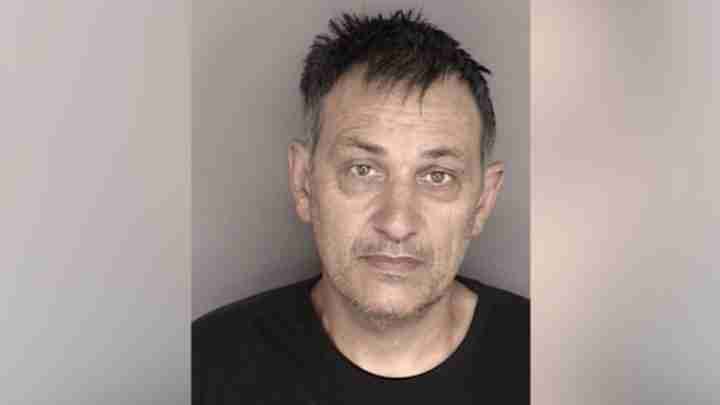
Rahmanullah Lakanwal, a 29-year-old Afghan national with reported ties to U.S. forces, is identified as the suspect in a Nov. 26, 2025 shooting near the White House that critically wounded two National Guard members; the FBI probes possible international links.
Key takeaways
- Suspect identified: Rahmanullah Lakanwal, 29, identified by fingerprints as the person of interest.
- Incident: Shooting on Nov. 26, 2025, near the White House left two National Guard members critically injured.
- U.S. ties and asylum: Reporting ties Lakanwal to U.S. contractors, Special Forces and a CIA-backed Kandahar unit; he was granted asylum in April 2025.
- Investigation: The FBI is treating the case as a potential instance of international terrorism and is probing social media and foreign contacts.
Background and immigration history
Born in Kabul in 1996, Lakanwal reportedly arrived in the United States during the U.S. evacuation of Afghanistan in 2021. He applied for asylum in December 2024, citing fear of Taliban reprisals tied to his work with U.S. forces, and was granted asylum and a work permit in April 2025. Key reporting on his background appears in Times of India.
Work with U.S. government and military
Reporting indicates Lakanwal served as a logistics coordinator for a U.S. contractor in the later stages of the Afghan war, running supply missions in volatile provinces and working alongside American Special Forces. Multiple accounts link him to a CIA-backed Kandahar unit referred to as the Kandahar Strike Force (KSF), operating from locations such as Firebase GECKO. His asylum file reportedly included letters from four U.S. Marines who said he aided them in 2019, and he is said to have worked for humanitarian groups as a field coordinator in eastern Afghanistan. See additional context in the Times of India report.
Vetting process and personal background
U.S. officials state Lakanwal underwent biometric checks, interviews and interagency reviews before U.S. Citizenship and Immigration Services approved his asylum claim. Reported details indicate no prior U.S. criminal record. Neighbors in Alexandria, Virginia, described him becoming more withdrawn over the summer. Investigators recovered posts from a now-deleted X account that included anti-Western messages, critiques of U.S. drone strikes and shares of Taliban propaganda; authorities are examining whether these posts indicate overseas extremist contacts. See reporting in the Times of India.
The shooting and the investigation
The shooting occurred the afternoon of Nov. 26 in northwest Washington, D.C., near the White House. Two National Guard members were critically wounded and transported to hospital. Law enforcement sources say fingerprints led to the identification of Lakanwal as the suspect, and investigative teams sought further confirmation. The Time report details the incident timeline; the FBI’s Washington Field Office is leading the probe with partners and treating the attack as a potential case of international terrorism while examining travel, online activity and associates both domestically and abroad. Investigative reporting and televised briefings include a federal overview in a video report on YouTube.
Government and political response
President Donald Trump called the shooting a “heinous assault” and described it in strong terms as an act of terror; his comments and related footage are available in a public clip on YouTube. The case has intensified debate in Washington over vetting for evacuees and refugees who arrived from Afghanistan since 2021. Some lawmakers called for stricter screening; veterans’ groups and resettlement advocates urged caution, noting many Afghan allies faced life-or-death threats and qualified for expedited protection. Organizations such as No One Left Behind and Veterans for Afghan Allies had lobbied for expanded Special Immigrant Visas to protect Afghan partners—advocates stress that isolated violent acts should not erase the service of thousands who aided U.S. forces (see Times of India and Time).
Implications for Sonoma, California
Economic impact: Sonoma’s tourism, wine and small-business economy is unlikely to face direct disruption from an isolated national security incident, though intensified federal travel checks or screening policies could create brief friction for wineries and tour operators. Businesses hosting federal or international guests should monitor travel advisories (Time).
Political consequences: Local officials and moderate voters in Sonoma will likely follow federal debates on asylum and vetting policy; calls for stricter screening may shape state and county discussions on refugee resettlement and public safety.
Social effects: Sonoma’s Afghan and immigrant communities may experience heightened anxiety or stigma. Nonprofits, faith groups and schools could see increased demand for counseling and community dialogue; civic leaders should emphasize factual reporting and civil-rights protections.
Cultural relevance: The case raises questions about honoring veterans and assisting allies who risked their lives to help U.S. forces. Town halls bringing veterans and immigrant advocates together could reduce misinformation and focus on practical screening and support solutions.
Practical applications: Residents traveling to federal facilities should expect continued security checks. Social service providers should verify protocols for serving asylum seekers and prepare to aid Afghan families needing extra support. Local law enforcement will monitor developments but defer national security investigations to federal agencies.
Ongoing questions
Investigators continue to examine: the precise nature of Lakanwal’s ties to U.S. agencies, the details of his asylum approval, possible foreign extremist contacts, and his movements and associations across states (including reported links to Bellingham, Washington). The FBI says more evidence is needed before drawing final conclusions; agents are reviewing travel, social media and known associates as part of the probe (see YouTube report and Time coverage).
Reporting and sources
Key details in this article draw on reporting from Time, Times of India, Times Media Service reporting and public statements and briefings (see related videos on YouTube and YouTube).
“It was an act of evil and an act of hatred and an act of terror. It was a crime against our entire nation. It was a crime against humanity,” — President Donald Trump.