Avian flu confirmed in northern elephant seals at Año Nuevo; park closes viewing areas as scientists race to track spread
Seven weaned northern elephant seal pups at Año Nuevo State Park tested positive for HPAI H5N1, the first confirmed cases in the species and California marine mammals; detected Feb. 19–20, 2026, the outbreak closed park viewing areas.
- Seven weaned northern elephant seal pups tested positive for HPAI H5N1 after showing respiratory and neurological signs; tests were done at UC Davis and confirmed by the USDA.
- Approximately 30 seals have died, with ~30 more samples pending; most fatalities were weaned pups.
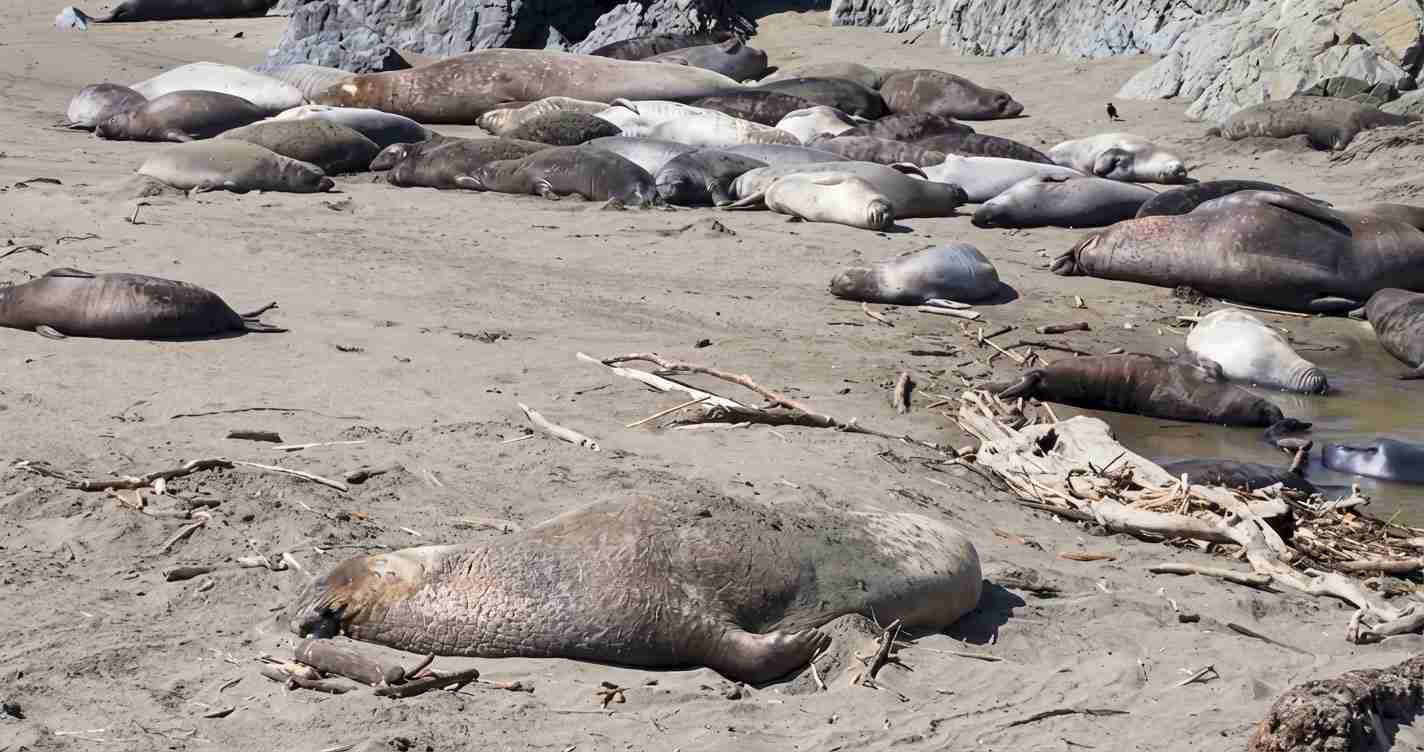
- Año Nuevo hosts ~5,000 seals in winter (about 1,350 present when the outbreak began); park viewing areas and guided tours were closed to limit exposure and disturbance.
Outbreak details and detection
What was observed: Researchers from UC Santa Cruz—who have monitored the Año Nuevo colony for six decades—first noticed animals with unusual signs on Feb. 19–20, 2026. Team leader Beltran reported animals showing abnormal respiratory and neurological symptoms such as weakness, tremors, seizures and sudden death.
“Animals showed abnormal respiratory and neurological symptoms such as weakness, tremors, seizures and sudden death.” — Team leader Beltran, UC Santa Cruz
Testing and confirmation: Field teams collected samples from sick and dead seals and sent them to UC Davis’s laboratory for screening; initial positives were subsequently confirmed by the USDA National Veterinary Services Laboratory. The rapid detection drew on coastal surveillance led by UC Davis through the NSF Center for Pandemic Insights.
Key source: Mongabay and the California State Parks press release.
Scale and context at Año Nuevo
Año Nuevo lies on the San Mateo County coast within the Monterey Bay National Marine Sanctuary and hosts an annual winter colony that can number roughly 5,000 elephant seals. About 1,350 seals were present when the outbreak began, and UC Santa Cruz’s long-term, individually identified study animals permitted rapid recognition and targeted sampling.
Scientists are monitoring whether this remains a localized cluster or spreads across the rookery or to other sites. Many adult females had already migrated, and most seals on the beach appeared healthy at reporting time, giving some cautious hope.
Related reporting: The Marine Mammal Center coverage.
Response actions and public guidance
Park actions: California State Parks closed public access to leashline viewing areas and canceled guided elephant seal tours for the rest of the season to reduce human and pet exposure and to limit disturbance of sick animals.
Public guidance: Officials urged people not to touch or approach live or dead seals, to keep pets away, and to report sick, injured or dead marine mammals to the NOAA Stranding Hotline at (866) 767-6114. These steps protect public health and wildlife.
Park notice: California State Parks press release. Public-health guidance summary: A Flu Diary (California DPH advice).
Broader context and risks
HPAI H5N1 has circulated widely since 2020 in a global panzootic, appearing in hundreds of bird species and dozens of mammal species. Wildlife experts, including the Wildlife Conservation Society, warn the virus poses severe risks to some wildlife populations.
Past South American outbreaks illustrate potential impacts: H5N1 killed an estimated 17,000 southern elephant seal pups in Argentina (2023–24) and tens of thousands of South American sea lions in 2022–23. Those events helped shape heightened surveillance along the U.S. West Coast.
Further reading: CIDRAP and historical context in reporting such as Mongabay.
Scientific questions ahead
Researchers will sequence virus samples to compare the elephant seal strain to viruses found in birds and other mammals. They will watch for genetic changes that might alter host range or transmission dynamics. Año Nuevo’s long-term individual-based monitoring offers a rare chance to follow infected pups and their contacts over time.
Collaborative response teams include UC Davis, NOAA Fisheries, the California Department of Fish and Wildlife and the West Coast Marine Mammal Stranding Network.
Implications for Sonoma, California
Why Sonoma residents should care:
- Economic impact: Regional closures and canceled tours at Año Nuevo may reduce visitor traffic and ripple through North Bay tourism, affecting local charters, lodging and restaurants.
- Public health and pets: Sonoma families should keep dogs away from wild birds and marine mammals and follow local animal control and public health guidance to reduce exposure risk.
- Wildlife monitoring: Increased surveillance could mean more scientists and stranding responders monitoring Sonoma beaches, enabling earlier detection and faster response for sick or dead animals.
- Local policy choices: Officials may need to weigh temporary public access rules, signage and pet ordinances to balance safety and the local economy.
- Practical advice: Do not touch or move sick or dead marine mammals; report sightings to the NOAA Fisheries West Coast Region Stranding Hotline at (866) 767-6114.
Sources and further reading
Primary reporting and agency notices:
- Mongabay
- CIDRAP
- California State Parks press release
- The Marine Mammal Center
- DVM360
- WTOP
- A Flu Diary (California DPH advice)
- Stocktonia
- Smithsonian Magazine
If you find a sick, injured or dead marine mammal in California, Oregon or Washington: Report it to the NOAA Fisheries West Coast Region Stranding Hotline at (866) 767-6114. Do not touch or move the animal; keep pets away to protect people and wildlife.