Yosemite marks 10-year California red‑legged frog recovery with symbolic 10,000th release
Yosemite National Park marked a decade of California red‑legged frog recovery on May 7, 2026, with a symbolic release of the program’s 10,000th frog — “Twain” — highlighting successful reintroduction after roughly 50 years away and ongoing conservation partnerships.
- Milestone: Ten years of coordinated reintroduction reached a symbolic 10,000th release near Yosemite Falls.
- Species rebound: Rana draytonii now shows evidence of multiple wild generations in Yosemite Valley.
- Methods: Invasive bullfrog removal, habitat restoration under the Merced River Plan, and captive rearing reduced early mortality.
- Partnerships & funding: NPS, USFWS, CDFW, San Francisco Zoo & Gardens, Yosemite Conservancy, UC Santa Barbara and voter‑approved grants were central.
Overview of the May 7, 2026 ceremony
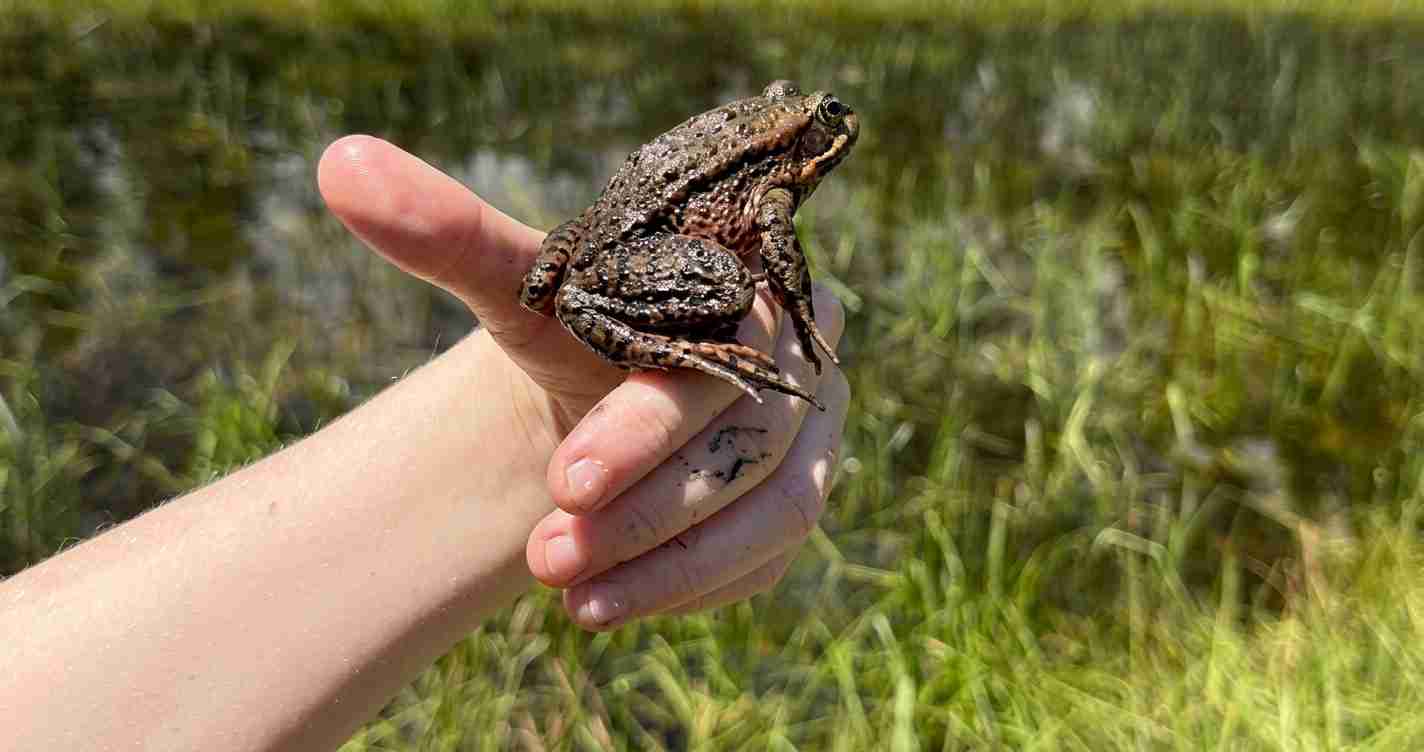
On May 7, 2026, partners gathered near Yosemite Falls to release several zoo‑reared juveniles, including the program’s symbolic 10,000th frog nicknamed “Twain”. The ceremony highlighted scientific work, volunteer contributions, and media coverage that documented the milestone.
How the frogs vanished — and why their return matters
The California red‑legged frog once ranged widely across central and coastal California but disappeared from Yosemite Valley about 50 years ago. Park scientists cite two primary historical drivers:
- Invasive American bullfrogs: introduced bullfrogs consumed or outcompeted native red‑legged frogs.
- Elevated raccoon predation: open refuse attracted raccoons that preyed on eggs and juveniles until garbage management changed in the 1970s.
Over time, wetland loss and river alterations further degraded breeding and juvenile habitat. As Rob Grasso, aquatic ecologist at Yosemite National Park, summarized:
“The bullfrogs eliminated red‑legged frogs from the area decades ago. We removed those threats and created conditions for recovery. Today, multiple generations of frogs are established in Yosemite Valley.”
The recovery program: methods and milestones
The formal reintroduction and recovery effort began in 2016. Key program components included:
- Captive rearing: A rearing facility in San Francisco (a partnership of NPS and the San Francisco Zoological Society) raises wild‑collected eggs into one‑ and two‑year‑old juveniles to reduce early mortality.
- Invasive species control: Sustained trapping and eradication of American bullfrogs across many years.
- Habitat restoration: Wetland and streambank restoration under the Merced River Plan rebuilt water and habitat structure needed for breeding.
- Monitoring & adaptive management: Release timing, numbers and sites were adjusted based on survival and breeding data.
Since 2016, nearly 10,000 frogs have been released into Yosemite Valley. In 2026 the San Francisco Zoo planned roughly 830 juvenile releases and reported raising about 600 eggs for future releases. Park biologists now find evidence of successful wild breeding and at least two or more generations established in the valley.
Partners and funding
The effort is led by the National Park Service in collaboration with the U.S. Fish and Wildlife Service, the California Department of Fish and Wildlife, Yosemite Conservancy, the San Francisco Zoo & Gardens, and academic partners such as UC Santa Barbara. Voter‑approved grants administered by CDFW provided essential funds for habitat restoration.
As Kim Turner, acting field supervisor for the Sacramento Fish and Wildlife Office, said:
“Our partners have been essential to the recovery of the California red‑legged frog. We appreciate the progress made over the past decade and remain committed to this collaborative effort.”
Why this is a model for amphibian restoration
Yosemite’s success demonstrates that direct action + science + steady funding can restore a species once lost from a valley. Key transferable elements include:
- Long‑term invasive predator removal
- Large‑scale habitat repair and river planning
- Captive rearing or translocation to boost early survival
Conservation groups note the project positions Yosemite as a model for endangered amphibian restoration and points to similar statewide successes where translocations produced positive results.
Monitoring, climate threats and future work
Park biologists caution that recovery is not the same as species security. The frogs still face:
– Drought and water shortages
– Severe winters and floods
– Ongoing disease risks
The program will continue monitoring wild populations, adjusting release strategies, and maintaining invasive bullfrog control. Continued grant support and habitat protections will be critical to preserve wetlands and river flows that the frogs need.
What happened May 7: the 10,000th frog release
At the ceremony near Yosemite Falls, agency and nonprofit representatives described methods and progress, then released several two‑year‑old juveniles raised at the San Francisco facility, including “Twain”, the 10,000th animal. Attendees included federal and state staff, nonprofit partners, zoo personnel, and local media, and video of the release was shared widely.
Implications for Sonoma, California
Economic: Yosemite’s success can increase statewide interest in habitat restoration, potentially creating jobs in conservation, restoration contracting and eco‑tourism that benefit Sonoma’s nature‑based economy.
Political: The project shows effective use of voter‑approved funding, informing local debates about public investments in conservation.
Social & cultural: Educators, community groups and volunteers in Sonoma can use the recovery as a case study for curricula, citizen science and restoration events—strengthening regional stewardship identity.
Practically, Sonoma land managers can adopt techniques proven in Yosemite: targeted bullfrog control, streambank and wetland restoration, captive rearing or translocation when appropriate, and pursuing similar funding mechanisms and partnerships with zoos and universities.
Sources and reporting
- California Department of Fish and Wildlife news release
- Yosemite National Park event information
- Central Sierra Environmental Resource Center overview
- ABC30 coverage of the milestone
- Land Trust Alliance post on statewide recovery efforts
- Video coverage of the release
Reporting synthesizes official releases and local coverage from CDFW, NPS, regional conservation groups, the San Francisco Zoo & Gardens, and local media outlets to document methods, partners, funding and outcomes of the recovery effort.