Chinese COSCO container ships forced to turn back at Strait of Hormuz, exposing gap between Tehran and Beijing
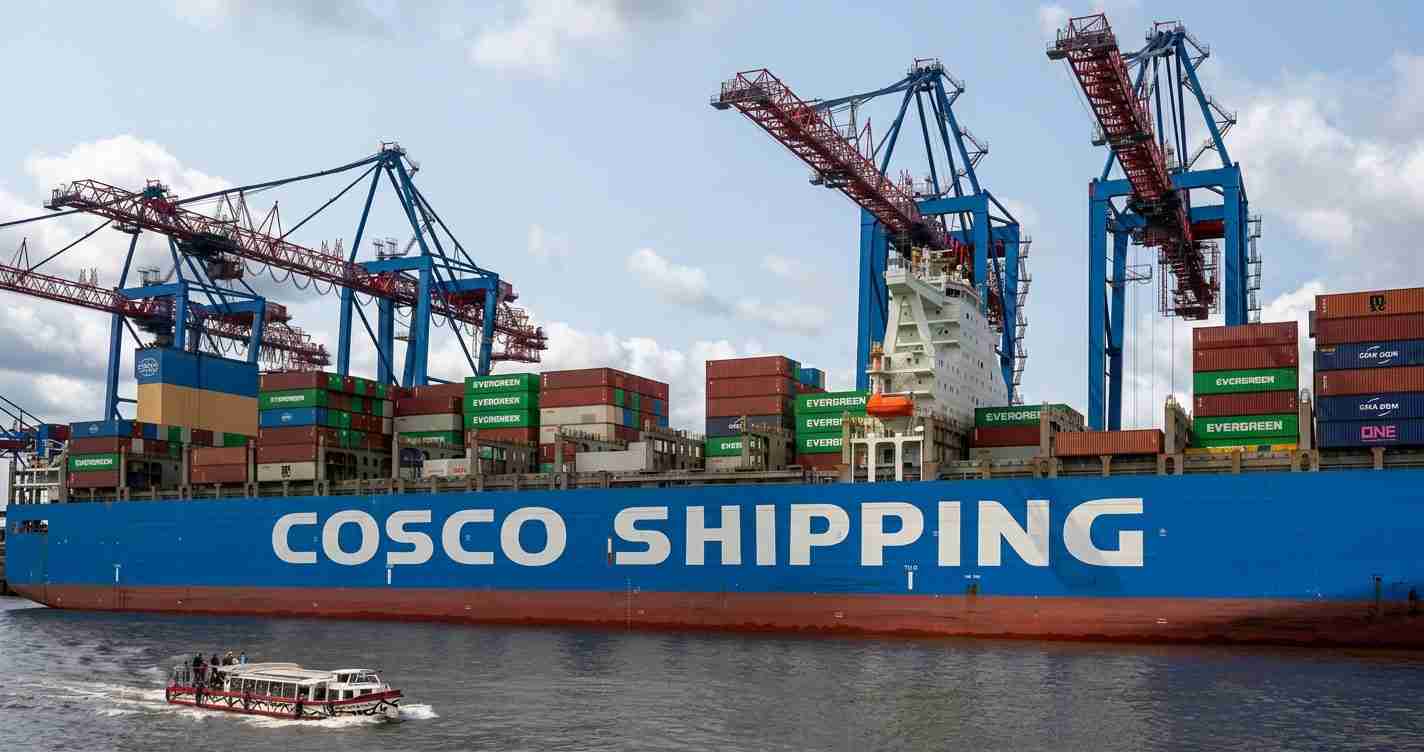
Two Chinese COSCO container ships, the CSCL Indian Ocean and CSCL Arctic Ocean, abruptly turned back from the Strait of Hormuz on March 27 despite Iran’s earlier safe‑passage assurances, highlighting mixed signals and fresh risks to global trade.
Key takeaways
- Abrupt reversals: At least three vessels, including two COSCO ships and the Lotus Rising, reversed course near Larak Island on March 27, according to ship‑tracking services and analysts.
- Political restrictions: IRGC outlets say ships bound for ports allied with the U.S. and Israel are banned from the corridor, signaling politically driven enforcement of passage rules.
- Diplomatic gap: Tehran’s public promise of safe passage to partners like China conflicts with IRGC actions, revealing limited central control over military enforcement.
- Global ripple effects: The incident exacerbates supply‑chain delays and energy disruptions that can affect manufacturers and consumers thousands of miles away.
The incident
What happened: Ship‑tracking data show the Hong Kong‑flagged CSCL Indian Ocean and CSCL Arctic Ocean attempted an outbound transit at about 03:50 GMT on March 27 but then turned back near Larak Island. The Hong Kong‑owned Lotus Rising also reversed course in the same area, according to MarineTraffic and monitoring groups.
CSCL Indian Ocean and CSCL Arctic Ocean are operated by China’s state‑run COSCO. The two ships had been held inside the Gulf since fighting and targeted attacks escalated on Feb. 28, which disrupted a significant share of global oil flows and stranded many crews and vessels. COSCO had announced on March 25 that it planned to resume bookings to Gulf ports, but the aborted transit shows shipping normalization has not held.
“Three container ships of different nationalities were warned and forced to return after trying to move into the designated corridor for licensed ships,” an IRGC outlet said, framing the rule as a ban on “sailing of any ship to and from the ports of the allies and supporters of the Zionist‑American enemies.”
Iran’s conflicting signals
On March 25 Iran’s foreign ministry publicly said it would allow friendly countries, including China, Russia and India, safe passage through the Strait of Hormuz. Yet IRGC and affiliated outlets later described tighter controls, banning ships that sailed to or from countries Tehran deems supportive of the U.S. and Israel.
Reporting indicates the COSCO vessels had recently visited ports Iran considers hostile — Jebel Ali (Dubai), Dammam (Saudi Arabia) and Khalifa Port (Abu Dhabi) — which may have triggered enforcement. Analysts suggest the ships might have lacked paperwork or formal authorization Iran now requires; automatic identification system broadcasts identifying Chinese ownership and crew were not sufficient to secure transit.
How Iran is controlling passage
New corridor: Since mid‑March the IRGC Navy has operated a narrow, state‑certified corridor between Larak and Qeshm islands, closer to Iran’s coast than usual lanes. Iran says the corridor protects vessels and vets traffic; critics contend it allows Tehran to block unwanted ships.
Some non‑Iranian ships have navigated the corridor after coordination or with escort. At least one Chinese‑owned cargo ship reportedly passed through successfully after coordination, but the COSCO case shows even close diplomatic ties and AIS signals may not guarantee passage if Tehran judges a vessel linked to “hostile” ports.
Impact on global trade and China’s economy
The Iran shipping blockade and attacks have snarled schedules, trapped roughly 20,000 seafarers in the region, and left thousands of containers idle. Energy exports — crude oil and LNG — have been disrupted, affecting global markets and factories dependent on timely imports.
Southern Chinese manufacturers report delays and canceled orders as containers sit in the Gulf. The disruption raises costs and lead times for firms relying on just‑in‑time logistics and could pressure downstream industries if instability persists.
Diplomatic consequences and limits of influence
China moved quickly to protect its shipping ties: Foreign Minister Wang Yi pressed Iran to guarantee safe passage for Chinese ships and discussed restoring navigation after diplomatic calls. Still, the aborted COSCO transit shows Beijing’s leverage is limited when the IRGC acts independently or applies political restrictions.
Analysts note the incident exposes tension between Iran’s central diplomatic promises and military enforcement by authorities that can set different rules, producing mixed signals for companies and states planning routes and cargo movements.
Implications for Sonoma, California
Economic impacts: Sonoma’s businesses rely on global supply chains. Continued Gulf disruptions could raise fuel and shipping costs, affecting wineries and manufacturers that import bottles, caps and equipment.
Political and social effects: Local officials may need to monitor global shipping trends as higher transport costs influence budgets, road maintenance and business conditions. Households could see higher fuel and grocery bills.
Practical steps: Sonoma firms should check inventories, consider alternate suppliers, plan for longer lead times, and local governments could model scenarios for fuel and supply price shocks to guide small businesses.
Sources and further reading
- Strait Times: Chinese ships halt attempt to exit Hormuz despite Iran safe passage assurances
- The Star: Chinese ships abort Strait of Hormuz voyage amid West Asia conflict
- MarineTraffic (ship tracking)
- Lloyd’s List Maritime Intelligence
- Times of India video report on Iranian orders
- YouTube reporting on supply chain impacts
- YouTube analysis video cited in reporting
This developing story highlights the fragile balance between diplomacy and force in the Strait of Hormuz. The abrupt U‑turns by Chinese ships underscore how quickly maritime rules can change and how those changes ripple to ports and businesses worldwide.