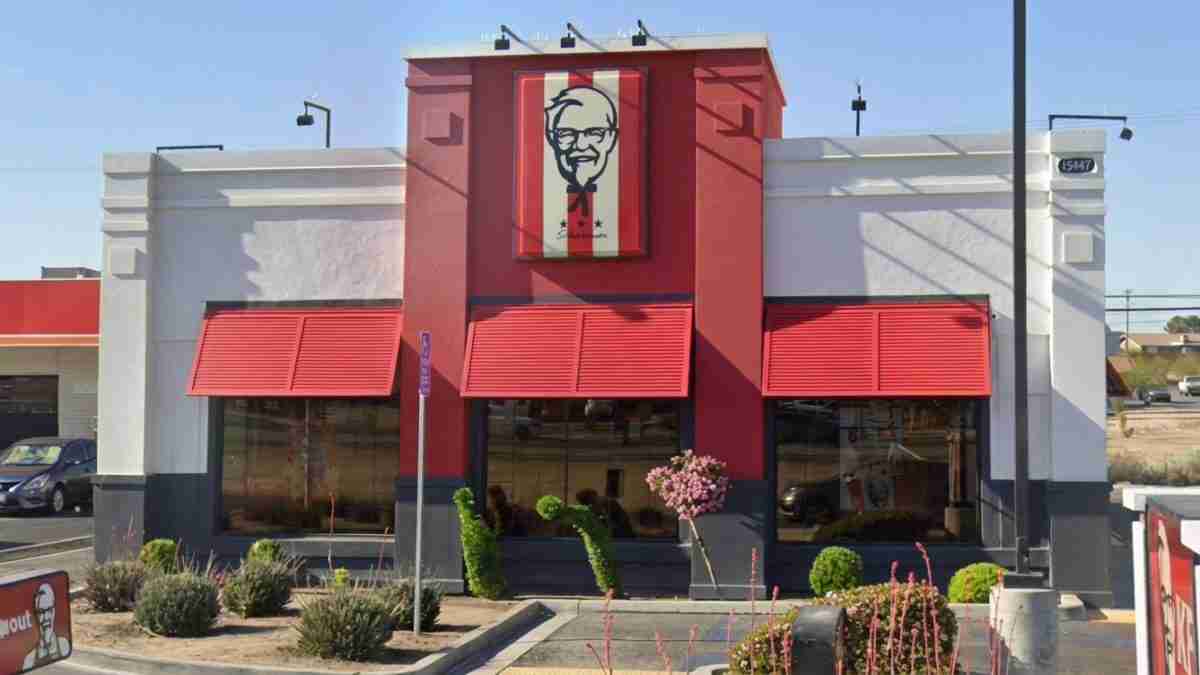
LOUISVILLE, Ky., July 19 (Nationwide Times) — KFC’s 1991 switch from Kentucky Fried Chicken to KFC was a branding move, not proof of mutant chickens or state licensing fees.
For a national restaurant chain, a name change can affect how customers see the business, how franchisees market it, and how the brand competes. In KFC’s case, the new initials kept the company familiar while making the name shorter and less focused on the word “fried.”
Why did KFC shorten its name?
KFC said the point was to simplify the brand and soften the focus on fried food. The company later said on its website that the initials were easier to say: “KFC is just easier to say with your mouth full.”
That mattered because the brand was trying to look broader than one kind of food. Instead of leading with “Kentucky Fried Chicken,” the company moved to a name that could work better in advertising, menus and conversation.
Some coverage also links the change to a more health-conscious image. The idea was not to erase chicken from the menu, but to make the brand sound less heavy.
What about the Kentucky trademark rumor?
One long-running rumor says the Commonwealth of Kentucky trademarked its own name and forced KFC to pay licensing fees to keep using “Kentucky.” That story has circulated for years, especially online.
But in the sources cited for this explanation, there is no primary state filing or court record showing that Kentucky forced KFC into a fee deal over the name. Without that kind of documentation, the claim remains a rumor rather than a proven explanation for the rebrand.
Did KFC change its name because of “mutant chickens”?
No. Another persistent myth says KFC dropped “chicken” because it was serving genetically modified or “mutant” birds. Snopes has described that story as a long-running hoax that has spread for decades.
KFC spokesperson Rick Maynard rejected the claim in comments quoted by Business Insider and reproduced in later coverage. He said: “KFC uses only top quality poultry from trusted companies like Tyson and Pilgrim’s Pride — the same brands customers know from their local supermarkets.”
That directly undercuts the rumor. The company said it was buying ordinary poultry from established suppliers, not serving lab-made animals.
Why do these myths keep coming back?
The rumor chain is easy to repeat because it offers simple, dramatic answers. A state allegedly taxing its own name sounds memorable. A fast-food chain supposedly hiding mutant chickens sounds even more dramatic.
The real explanation is less sensational: KFC was trying to update its image. Snopes says the rebrand had several business reasons, including reducing the focus on “fried” and “chicken” and following a wider trend toward shorter commercial names.
In other words, the company was making a brand decision, not admitting a scandal.
The bottom line
KFC’s move from Kentucky Fried Chicken to KFC was a marketing change aimed at making the brand shorter and less tied to fried food. The most common stories behind the switch — state licensing fees and mutant chickens — have not been backed by primary evidence in the materials cited here.
For customers, the change mostly altered the name on the bucket. For the company, it was about how the brand wanted to be seen.