Dearborn mayor tells Christian resident “you are not welcome here” during heated debate over Osama Siblani street signs
During a tense Dearborn City Council meeting, Mayor Abdullah Hammoud told resident Ted Barham he was “not welcome here” after Barham criticized new street signs honoring publisher Osama Siblani, sparking debate over accusations of promoting militant groups and civic inclusion.
- Fiery exchange: Mayor Hammoud told a Christian resident he was “not welcome here” after the resident criticized Osama Siblani honors.
- Jurisdictional point: Officials said Wayne County—not the city—installed the street signs, and council members urged civility.
- Community tension: The incident highlights how national conflicts can surface in local recognition debates in Dearborn.
Key information
- The confrontation occurred during a packed Dearborn City Council meeting over street signage recognizing Arab American News publisher Osama Siblani. Sources cited include Fox News, Fox 2 Detroit, and EndTimeHeadlines.
- Resident Ted Barham accused Siblani of promoting Hezbollah and Hamas and invoked Jesus’s phrase “Blessed are the peacemakers.” Barham urged peaceful recognition instead of provocative gestures.
- Mayor Abdullah Hammoud described Barham’s remarks as bigoted and told him, “you are not welcome here,” suggesting Barham avoid the stretch of Warren Avenue where the signs were placed.
- City officials clarified the signs were installed by Wayne County and are not a formal city renaming; council members asked for civil public comment.
What happened at the meeting
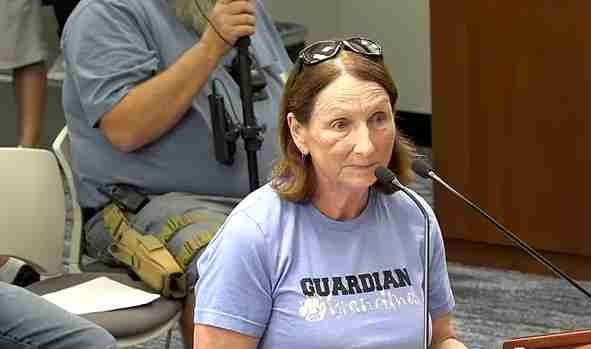
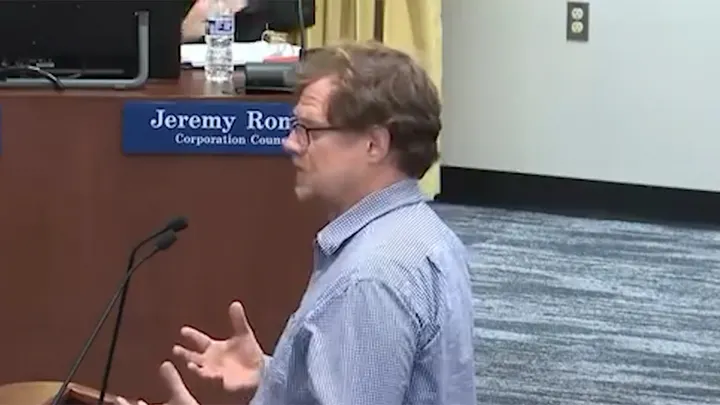
The exchange unfolded during a Dearborn City Council session focused on what some residents call the Osama Siblani street signs on Warren Avenue. Ted Barham, a Christian resident, told the council he objected to honors for Siblani, a longtime publisher of the Arab American News.
Barham accused Siblani of supporting militant groups and referenced past comments reportedly endorsing armed resistance in Palestine. He invoked Jesus, saying, “Blessed are the peacemakers,” and urged the community toward peaceful recognition rather than provocative displays that inflame tensions.
Mayor Hammoud’s response
Mayor Abdullah Hammoud sharply rebutted Barham’s remarks, calling them bigoted, racist and Islamophobic. According to local reports, Hammoud told Barham,
“Although you live here, you are not welcome here. And the day you move out of the city will be the day that I launch a parade celebrating the fact that you moved out of this city.”
Hammoud also advised Barham to avoid Warren Avenue or “close your eyes” if the signs offended him.
The mayor emphasized Siblani’s strong support in parts of the Dearborn community and rejected the claim that the city government installed the signs.
The role of county signage and the Dearborn City Council debate
Council members reminded speakers that the Osama Siblani signs were placed by Wayne County and did not represent a formal citywide renaming. The city’s limited authority over county signage became a central procedural point as residents debated symbolism, free speech and community standards.
Officials repeatedly urged participants to avoid personal attacks while procedural questions were handled by the council.
Siblani’s response and community reaction
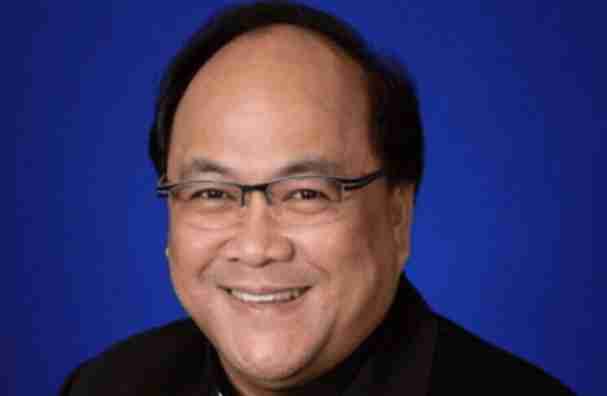
Osama Siblani has said he is proud of both his Arab heritage and his American identity and expressed disappointment that the discussion became personal and divisive. Members of Dearborn’s Arab and Muslim communities defended the recognition, citing his decades of work covering and advocating for Arab Americans.
Others, including Barham, argued the public honors were provocative because of statements they say link Siblani to armed resistance. The dispute drew local and national attention, highlighting how contested political histories play out in community recognition.
Context: Dearborn’s demographics and civic tensions
Dearborn is home to the largest share of Muslim residents of any U.S. city, and its Arab American population has long shaped local politics, media and civic life. That demographic reality frames the intensity of the debate: public recognition of a prominent Arab American figure can be a point of pride for many residents while triggering concern among others who view the honoree through the lens of international conflicts.
The mayor’s blunt rebuke sparked wider conversation about representation, tone, and how elected officials should conduct debate in a deeply diverse community.
Media coverage and national attention
National outlets and social media circulated the incident, focusing on the mayor’s remark that a resident was “not welcome here” and on the broader dispute over Siblani’s record and the appropriateness of street-level honors. Local reporting emphasized that the signs were placed by Wayne County and that council members urged restraint.
Why the exchange matters
Local implications: The confrontation illustrates the challenge cities face when national and international conflicts are mirrored in local communities. Public honors can be read as civic recognition or political endorsement. Elected leaders must balance free expression with public order and inclusion.
Key questions include when forceful community defenses cross into excluding dissent and how governments should respond to symbolic actions taken by other jurisdictions, such as county signage.
Implications for Sonoma, California
- Civic discourse: Sonoma officials should clarify jurisdictional roles when neighboring agencies install signage and set clear public-comment rules emphasizing civility while protecting speech.
- Community relations: Proactively engage diverse groups, create mediated forums, and explain how recognition decisions are made to reduce misunderstanding.
- Political consequences: Training on de-escalation and inclusive rhetoric can limit political fallout from forceful public statements.
- Public safety and participation: Offer alternate channels for input—online comments, moderated town halls, and listening sessions—when issues touch identity or foreign policy.
- Practical steps for residents: Document concerns, seek authority clarification over installations, and build cross-cultural coalitions to voice views constructively.
Source links for reporting and verification
- Fox News — Dearborn’s mayor tells Christian he’s ‘not welcome here’ after exchange at council meeting
- Fox 2 Detroit — Dearborn City Council meeting brings heated debate over street renaming
- EndTimeHeadlines — Coverage of exchange at Dearborn city meeting
Reporting note
This article draws on local reporting from the Times Media Service, Fox News, Fox 2 Detroit and other local outlets. Officials present at the meeting said the county — not the city — placed the Osama Siblani street signs, and council members urged speakers to avoid personal attacks during the debate.