Dearborn residents press city to curb mosque’s outdoor call to prayer amid noise, free-speech concerns
Dearborn residents have raised complaints about a mosque’s outdoor loudspeaker for the Islamic call to prayer, prompting police decibel tests and city inspections as officials weigh noise rules, religious expression and community tensions in ongoing reviews.
Key takeaways
- Neighbors complained about the volume of a mosque’s outdoor loudspeaker for the Islamic call to prayer; police and city inspectors investigated. (Source: video report)
- Decibel tests by Dearborn police found at least one reading within legal limits; city leaders continue gathering information. (Source: video report)
- Noise ordinance bans loudspeakers between 10 p.m. and 7 a.m., but officials have not clarified how daytime calls to prayer are treated under current rules. (Source: video report)
- Community tension: some residents fear speaking out for fear of being labeled Islamophobic, complicating public feedback and enforcement. (Source: video report)
City response and decibel tests
Dearborn officials responded to multiple complaints by visiting the mosque and measuring sound levels. Police and city inspectors performed decibel readings at the site, and city staff reported that at least one test showed the loudspeaker was “not too loud” and “below the average of the rules,” according to Nabeel Bahar, director of the Dearborn Community Center. (Source: video report)
Council President Mike Sirianni said the city has conducted repeated investigations at certain mosques and is taking residents’ complaints seriously while reviewing whether action is warranted. City officials have not issued new guidance on whether daytime uses of outdoor loudspeakers for the call to prayer are allowed under the current Dearborn noise ordinance, which explicitly limits loudspeaker use at night between 10 p.m. and 7 a.m. but remains ambiguous about daytime religious uses. (Source: video report)
Community reactions and fear of speaking out
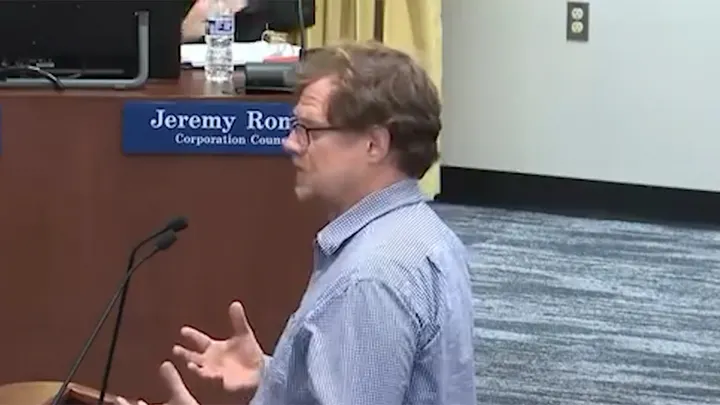
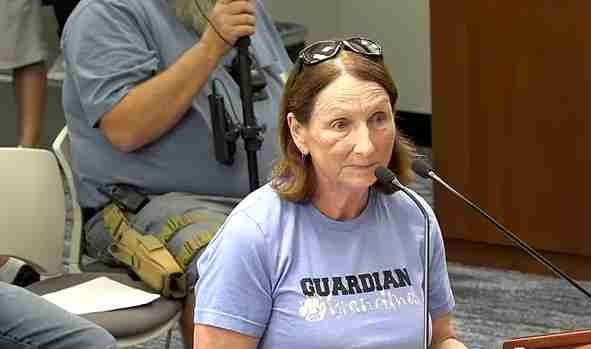
Neighbors living near the mosque are divided. Some residents on camera described the loudspeaker volume as disruptive to daily life. Others — including members of the Muslim community — emphasize that the call to prayer is a longstanding religious practice and say the mosque has attempted to stay within legal limits.
“A neighbor of mosque says some residents have been afraid to speak up out of fear of being labeled Islamophobic.”
Community leaders warn that social pressure can lead to underreported concerns, making it harder for city leaders to assess how widespread the issue is. At the same time, Muslim residents and mosque leaders stress that public debate should avoid stigmatizing any group and should respect religious expression.
Legal context: noise rules, religious freedom and precedent
This dispute sits at the intersection of local noise regulation and constitutional protections for religion. The First Amendment protects the free exercise of religion — which can include public practices such as the call to prayer — while governments may enforce neutral, reasonable time, place and manner restrictions such as decibel limits.
Dearborn’s ordinance bans loudspeaker use during overnight hours but is less clear about daytime religious uses. That ambiguity creates tension between protecting neighbors’ peace and protecting religious expression. Any ordinance change would need neutral standards that apply equally to all houses of worship to reduce the risk of legal challenges.
Legal scholars often recommend clear, neutral sound limits, defined permissible hours, and a permit process for amplified outdoor events so municipalities avoid claims of singling out religious groups.
Voices on the record
- Nabeel Bahar, director of the Dearborn Community Center, said police found the loudspeaker “not too loud” and “even below the average of the rules.” (Source: video report)
- Council President Mike Sirianni said investigators have conducted multiple decibel tests at certain mosques and that the city is reviewing findings. (Source: video report)
- A neighbor said some residents fear speaking up because they worry about being accused of Islamophobia, highlighting sensitive social dynamics in Dearborn’s large Muslim community. (Source: video report)
Noise ordinance questions and possible policy changes
City officials acknowledge the ordinance’s nighttime prohibition but say they need to review how it applies to calls to prayer. Council members and residents have urged clearer language so neighbors and houses of worship know what is allowed.
Options under consideration
- Write clearer language on the use of outdoor loudspeakers for religious services or calls to prayer;
- Establish daytime decibel limits measured at property lines or inside neighboring homes;
- Create a permit process for amplified religious events that would allow conditions to be set;
- Hold public forums to let neighbors and faith leaders discuss concerns and reach local agreements.
Any change will require careful legal vetting to avoid actions that might be viewed as discriminatory under the First Amendment or federal law.
Implications for Sonoma, California
Although this dispute centers on Dearborn, the issues could translate to other municipalities such as Sonoma. Potential local impacts include:
- Economic impact: Noise disputes can affect home values and tourism appeal; clarity from local authorities helps protect property values and visitor experience.
- Political consequences: Local leaders may face similar pressure to balance religious freedom with neighborhood peace; transparent, evenhanded responses are critical.
- Social effects: Fear of speaking up because of potential accusations of bias can chill public debate; communities should foster civil dialogue so concerns can be raised without targeting faith groups.
- Cultural relevance: Respecting religious practices while maintaining community standards is a shared challenge; thoughtful policies reflect inclusion and neighborliness.
- Practical applications: Sonoma municipalities should review noise ordinances, clarify rules for amplified sound at houses of worship, consider decibel limits and permit processes, and host community meetings early to prevent escalation.
Sources
Preserved reporting and on-the-ground accounts are available in the original reporting source. All facts and quotes in this article reference that video report.