Volcano National Park tourist found dead after entering closed Kīlauea caldera amid growing trend of rule-breaking
A 33-year-old Hawaii resident died Feb. 27 after entering a closed section of Kīlauea caldera in Hawaiʻi Volcanoes National Park; an overnight search and airlift preceded the death, highlighting repeated visitor violations of park closures and warnings.
- Incident: 33-year-old Hawaii resident found in a closed area and pronounced dead after an overnight search and airlift.
- Hazards: Unstable caldera rim, tremor-related cracks and landslide risk keep areas closed even after eruptions end.
- Trend: Park officials report increasing trespass and risky behavior across national parks, straining rescue resources and prompting enforcement.
- Local relevance: Sonoma and other regions are urged to review signage, education, and mutual-aid plans to reduce similar incidents.
Key information
Victim: 33-year-old Hawaii resident; name withheld by park officials pending privacy considerations and notification of family (Big Island Video News).
Location: East side of Kīlauea caldera, Hawaiʻi Volcanoes National Park (Big Island Video News).
Timeline: The man entered the restricted area on Feb. 26, prompting an overnight search; responders located him the next day and airlifted him to Hilo Benioff Medical Center, where he was pronounced dead on Feb. 27 (WBZ NewsRadio, Big Island Video News, Fox News).
Park status: Although the eruption episode that began in December 2024 ended Feb. 15, the area remained closed because of unstable terrain and other hazards (Big Island Video News, Fox Weather).
How the search unfolded
Park employees and rescue crews began searching the steep eastern rim of the Kīlauea caldera after reports someone had entered a closed area late on Feb. 26. Teams worked through the night in difficult terrain and located the man the following day.
Given the site’s hazards and limited road access, responders used air transport to move him to Hilo Benioff Medical Center, where staff pronounced him dead on Feb. 27. These details were reported by WBZ NewsRadio and Big Island Video News.
Kīlauea hazards and safety warnings
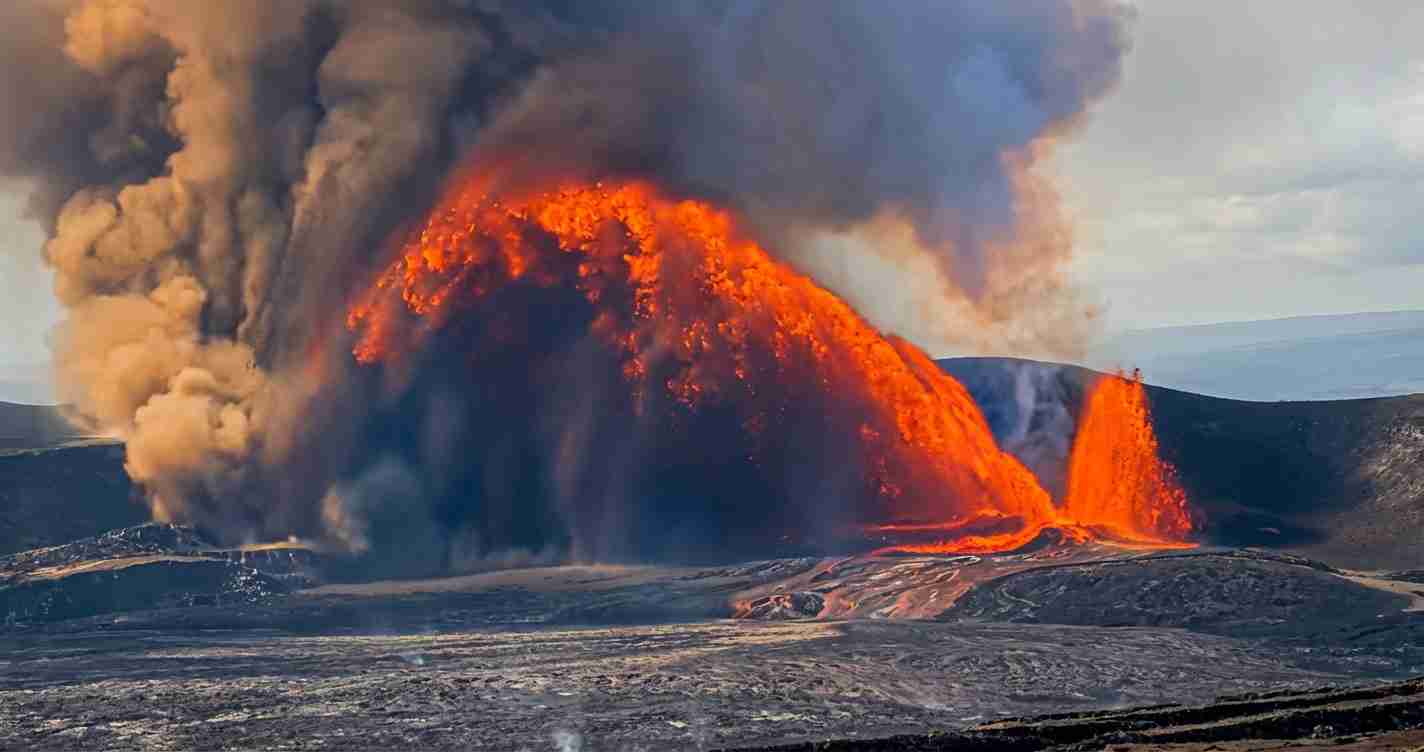
Park officials said the area had been closed because of ongoing hazards near the Halemaʻumaʻu crater rim, including tremor-related cracks and the risk of landslides. These conditions can make the ground give way without warning (Fox Weather).
Even when lava is not erupting, the caldera includes steep cliffs, hidden cracks and unstable volcanic ground that can be lethal. Park managers keep active areas closed and post clear warning signs intended to stop visitors from entering dangerous zones (WBZ NewsRadio).
An eruption episode earlier in 2025 sent lava fountains more than 1,000 feet in the air, drawing intense public interest and increased visitation. That attention, combined with hazardous terrain, has strained park safety efforts and increased the likelihood of dangerous encounters (WBZ NewsRadio, Big Island Video News).
A pattern of risky behavior across parks
This Kīlauea caldera death fits a broader pattern of visitors ignoring closures and warnings. Rangers have documented trespassing near active eruptions, leaving designated trails for photos, and other rule-breaking that endangers individuals and strains rescue resources (Fox News).
Examples: In December, staff caught two trespassers on camera near an active eruption; in June, a Boston man survived a 30-foot fall after leaving a trail to get closer to lava — a tree likely prevented a worse outcome (WBZ NewsRadio).
Yellowstone and other parks face similar problems. Thermal areas carry hidden dangers, and nearly two dozen people have died from burns in Yellowstone’s thermal areas since the park opened. Enforcement stepped up after several high-profile incidents and arrests (Fox4 News).
Experts weigh in on causes
Dylan Spencer, an assistant professor of criminal justice and criminology at Georgia Southern University and co-author of the 2025 study “Recreation and disarray: Analysis of disorder in U.S. national parks,” said more visitors mean more chances for trouble. He noted that many people treat national parks like city parks or zoos — places where rules feel optional (Fox News).
Researchers point to risk perception, social media-driven photo culture, and lack of awareness about natural forces as drivers of rule-breaking. When people chase dramatic photos, they often underestimate danger and overestimate their ability to stay safe.
Ranger perspective and enforcement
“Park rangers know what the risks to visitors are in national parks and do everything reasonable they can to warn visitors of these risks and to keep them safe. Despite these warnings, some visitors seem insistent on ignoring the warnings — and some pay the price.”
— Bill Wade, executive director, Association of National Park Rangers
Rangers and park managers have increased signage, social media outreach and patrols. Some parks use fines or arrests to deter repeat violators; in April 2025 a Seattle visitor received jail time for approaching Old Faithful too closely (Fox4 News, Fox News).
Costs and strain on rescue services
Each remote or hazardous rescue requires trained personnel, time, and often expensive air support. Responders risk their own safety to reach people who enter closed zones, and these missions divert resources from other duties and emergencies (WBZ NewsRadio, Big Island Video News).
Implications for Sonoma, California
Public safety and visitor education: Sonoma’s parks see many visitors from outside the region. The Kīlauea death highlights the need for clear visitor education — signage, pre-trip information and outreach can remind visitors that preserves may harbor unseen risks (WBZ NewsRadio).
Emergency response and mutual aid: Local search-and-rescue teams should review training, equipment and mutual-aid agreements to handle overnight searches or steep, unstable terrain without undue risk; airlifts and long missions strain budgets and personnel (Big Island Video News).
Tourism messaging for responsible recreation: Tourism boards and businesses can help by promoting responsible recreation — clear pre-trip information on websites, maps and booking confirmations can reduce risky conduct.
Legal and policy considerations: Lawmakers and park managers can monitor enforcement approaches used elsewhere, such as fines and prosecutions, while balancing education with deterrence (Fox4 News).
Community resilience and values: Framing safety as stewardship — staying on trails, obeying closures and avoiding risky photos — can resonate with Sonoma audiences and help prevent similar tragedies.
Sources and further reading
- Fox News: “National park death exposes repeated rule violations as tourists take dangerous risks”
- WBZ NewsRadio (iHeart): “Man dies after sneaking into a closed area of a national park”
- Big Island Video News: “Man dies after being airlifted out of Kilauea Volcano caldera”
- Fox Weather: “Person dies after going into closed off area of Kīlauea Volcano”
- Fox4 News: “National park death exposes repeated rule violations as tourists take dangerous risks”
Reporting includes information from Times Media Service and local reporting compiled from the sources above.