Nation’s largest irrigation district backs Newsom’s Delta Conveyance Project, deepening fight over $20 billion California water tunnel
The Imperial Irrigation District has formally endorsed Governor Gavin Newsom’s Delta Conveyance Project, strengthening support for a proposed $20 billion, 45‑mile water tunnel intended to modernize California’s water system amid fierce environmental and fiscal opposition.
- IID endorsement: The Imperial Irrigation District’s board adopted a resolution urging lawmakers to fast-track the Delta Conveyance Project.
- Big price tag: The project is estimated at more than $20 billion and raises major questions about who will pay for overruns and debt.
- Deep opposition: The Delta Caucus, tribes and environmental groups warn of ecological harm and economic impacts to Delta communities.
- Oversight response: The Newsom administration released an Accountability Action Plan and a $200 million Community Benefits Program to address local impacts.
Project overview: what the Delta Conveyance Project would do
Supporters describe the Delta Conveyance Project as a modernization of California’s aging water system: a roughly 45‑mile gravity‑fed tunnel and associated conveyance works to move excess water from the Sacramento‑San Joaquin Delta into State Water Project canals and aqueducts. Proponents say the tunnel would increase reliability for cities and farms that depend on water moved south from the Delta and provide flexibility during heavy runoff or prolonged drought (sources: Local News Matters; MAVEN’S NOTEBOOK).
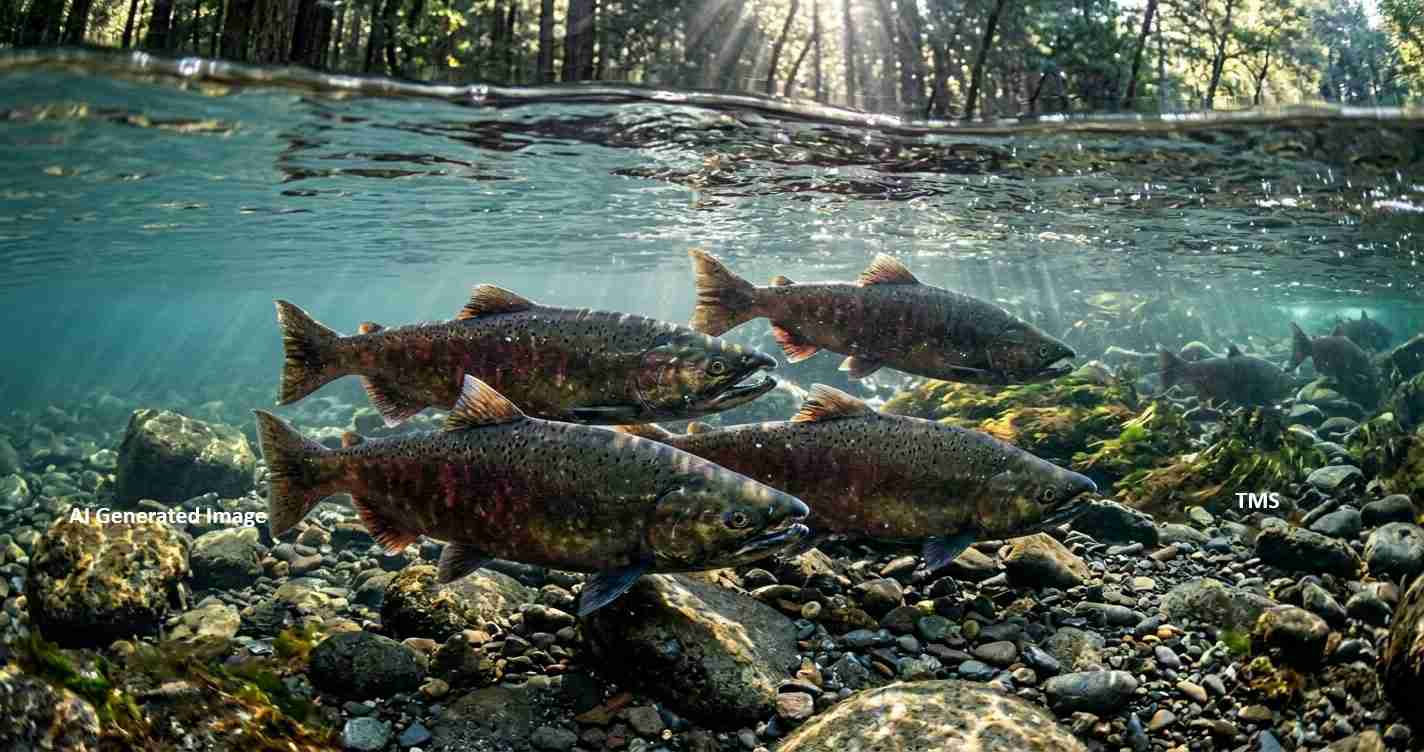
Critics counter that the plan relies on a massive engineering fix with substantial ecological risk — potentially harming Delta estuary functions, fish populations and the economies of local communities that depend on fisheries, tourism and agriculture (sources: KQED; Local News Matters).
Why IID’s endorsement matters
The Imperial Irrigation District (IID) is the largest irrigation district in the United States, serving extensive agricultural lands in the Imperial Valley. Although IID does not receive water from the State Water Project, its board adopted a resolution supporting the Delta tunnel and urged lawmakers to overcome what it called “bureaucratic delay.” IID leaders argue that a more reliable statewide system benefits all water users as California faces climate‑driven shortages (source: California Governor’s Office press release).
“The endorsement adds a strong agricultural voice pushing for policy changes and faster approvals,” Governor Newsom said, praising IID’s decision.
Money, who pays and why critics worry
The estimated price tag — more than $20 billion — makes financing central to the debate. Opponents warn the tunnel could saddle ratepayers with large costs through bonds or higher water fees, and lawmakers are demanding clarity on cost allocation, who pays for overruns, and whether existing water users will shoulder most of the bill (source: KQED).
Supporters, including IID, argue that long‑term reliability will benefit the broader state economy — from food production to urban water supplies — while critics highlight equity concerns, saying Delta communities may bear environmental harms without commensurate benefits (sources: California Governor’s Office press release; MAVEN’S NOTEBOOK).
Environmental and Delta community concerns
Environmental groups, tribal leaders and the Delta Caucus have warned the tunnel could further weaken fish populations, damage wetlands and upset the Delta’s estuary ecology. They also caution about harm to local economies reliant on fishing, tourism and Delta agriculture (sources: KQED; Local News Matters).
The Delta Caucus frames the project as favoring distant water users while undermining local voices, and some fear fast‑tracking could include exceptions to the California Environmental Quality Act (CEQA) that would shorten critical environmental review (source: Local News Matters).
Legislative pushback and oversight measures
In June 2025, a legislative subcommittee rejected Governor Newsom’s attempt to fast‑track the tunnel by folding policy changes into the state budget. Lawmakers said the tunnel requires full legislative review and public debate, not a budget shortcut (source: Local News Matters).
Responding to criticism and to broaden support, the Newsom administration released an Accountability Action Plan in August 2025, which includes a $200 million Community Benefits Program for neighborhoods near construction zones to address impacts and boost transparency (source: California Governor’s Office press release, Aug. 6, 2025).
Voices and stakes: who is saying what
- Governor Newsom: Called the project essential for adapting to “a hotter, drier future” and highlighted IID’s endorsement as evidence of broad water‑user support (source: California Governor’s Office press release).
- Imperial Irrigation District: Adopted a resolution backing the tunnel and urged faster legislative approval to address statewide water security concerns (source: California Governor’s Office press release).
- Delta Caucus, tribes, environmental groups: Warn the tunnel will harm fish, wetlands and local livelihoods and criticize attempts to shorten environmental review (sources: KQED; Local News Matters).
- Other water users: Some agricultural and water interests support the tunnel as necessary infrastructure; others remain cautious about costs and ecological trade‑offs (sources: MAVEN’S NOTEBOOK; California Governor’s Office press release).
Investigative questions and gaps that remain
- Exactly how will costs be shared among state agencies, water contractors, agricultural districts and ratepayers?
- What specific safeguards will protect endangered fish and the Delta ecosystem during construction and operation?
- How will the Community Benefits Program be administered, and which neighborhoods will qualify?
- If construction proceeds, what are credible timelines and likely ranges of cost overruns?
Reporting so far documents plans and promises from the governor’s office and supporters, but opponents say those assurances do not yet resolve core concerns about ecological harm and financial risk (sources: California Governor’s Office press releases; KQED; Local News Matters; MAVEN’S NOTEBOOK).
Implications for Sonoma, California
Economic impact: Sonoma County is not on the main State Water Project delivery routes like Central and Southern California, but statewide water policy changes could indirectly affect wholesale prices and grant funding priorities. Agricultural suppliers and winegrowers monitor these developments closely because higher costs or redirected funding can influence irrigation planning and crop choices.
Political consequences: Sonoma’s moderate voters and local leaders will likely watch Sacramento’s balance between infrastructure needs and environmental protection. The IID endorsement could shift the statewide narrative and increase pressure on legislators, potentially prompting Sonoma representatives to push for stronger environmental safeguards.
Social and cultural effects: Sonoma communities prize open space, river health and stewardship. Concerns about Delta harm may raise fears that large state projects prioritize distant users over local environmental priorities — even as some residents employed in agriculture see potential statewide benefits for water reliability.
Practical applications: Local water managers should track funding changes, possible shifts in State Water Project pricing, and any new rules tied to tunnel approval. Homeowners and businesses are most likely to experience impacts through water rates, state grant availability for drought resilience, and regional planning decisions.
Reporting sources
- IID endorsement press release — California Governor’s Office
- Accountability Action Plan — California Governor’s Office
- MAVEN’S NOTEBOOK (Delta coverage)
- Local News Matters — Legislative committee rejection of fast‑track attempt (June 2025)
- KQED reporting — Cost and Delta criticisms
Additional reporting will be needed to track evolving legislative action, final financing plans, and detailed environmental reviews as agencies move forward on the Delta Conveyance Project.