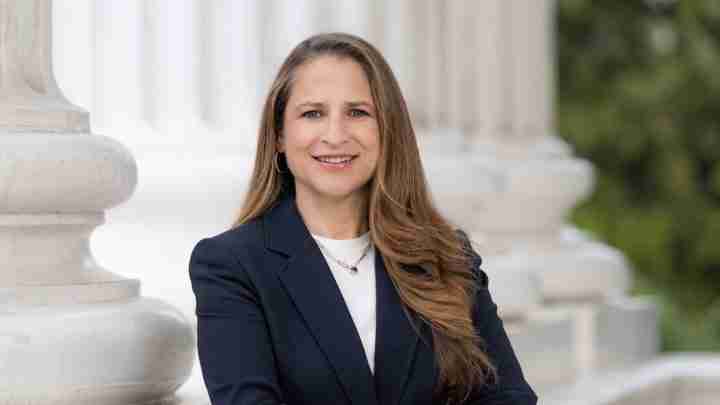
Rep. Ashley Hinson says Linn-Mar school promoted “non-monosexual identities” in morning announcements, urges federal probe in school announcements controversy
U.S. Representative Ashley Hinson says Linn-Mar Community School District morning announcements referenced “non-monosexual identities”; she called the content “so bad and inappropriate,” and has formally urged Education Secretary Linda McMahon to open a federal investigation.
Key takeaways
- Allegation: Rep. Ashley Hinson says her teen son’s Linn-Mar Community School District morning announcements included references to “non-monosexual identities.” Source: video of Hinson’s statement.
- Reaction: Hinson described the material as “so bad and inappropriate,” declined to post the announcements publicly, and urged parents to review district communications. Source: video of Hinson’s statement.
- Federal action requested: She sent a letter to Education Secretary Linda McMahon asking for federal oversight and a formal investigation into the district’s practices. Source: video of Hinson’s statement.
- Verification gap: No public record of an official federal response or a verified district statement was available at the time of reporting.
Hinson’s allegations and response
Representative Ashley Hinson publicly raised concerns after seeing or hearing material she said was used in Linn-Mar morning announcements. In a recorded statement, Hinson said the announcements referenced identities beyond heterosexuality and homosexuality, using the term “non-monosexual.”
She called the material “so bad and inappropriate” and said she chose not to repost the announcements herself because of their sensitive nature. Hinson also said she sent a written request to Education Secretary Linda McMahon seeking federal review of whether the district’s communications violated federal guidance or policies on age-appropriate content.
“So bad and inappropriate,” Hinson said in her public remarks, which are available on video.
What the record shows — and what is missing
The primary public record consists of Hinson’s video statement and her reference to a letter to the U.S. Education Secretary. The actual announcement audio or transcript has not been released, and Hinson said she declined to distribute it. Because the source material has not been publicly shared or independently verified, the precise language and context of the announcements remain unconfirmed.
Attempts to locate a district response or an official Department of Education acknowledgement produced no verifiable public statements as of this report. That absence means the claims currently exist as an allegation by a member of Congress rather than the start of a documented federal inquiry.
School announcements controversy in broader context
This incident fits into a larger national debate about how public schools address sexual orientation and gender identity. Stakeholders — including parents, elected officials, educators, and advocacy groups — disagree about what belongs in curricula, assemblies, and districtwide communications.
Some argue for limiting discussions of sexual identity in mass communications; others view inclusive language as essential to student safety and belonging. The Linn-Mar matter centers on routine announcements rather than classroom instruction, which changes the dynamics of the debate and the audiences affected.
Federal oversight and possible pathways
When a lawmaker seeks federal action, the Department of Education typically reviews complaints for potential violations of federal law, including civil rights statutes. Hinson requested federal oversight; however, no public confirmation of a Department of Education investigation or response had been located at the time of reporting.
Possible department actions include requesting more information from the complainant, asking the district for policies or records, or deciding whether the matter falls under federal jurisdiction. Without released documents, the process stage remains unclear.
Voices not on the record
As of this article, the Linn-Mar Community School District had not issued a verified public statement responding to Hinson’s allegations, and the Department of Education had not publicly confirmed receipt of the letter or an investigation. Local parents, students, teachers, and advocacy groups connected to Linn-Mar were not represented in verified statements included in the public record reviewed for this story.
The absence of those perspectives leaves important context missing and limits the ability of reporters and the public to fully assess the claims.
Legal and policy considerations
Public school districts operate under state law, local board policy, and federal civil rights protections. Whether a morning announcement violates law depends on factors such as age-appropriateness, district communications policies, and applicable federal statutes. At present, the necessary facts to evaluate legal claims have not been released.
Lawmakers may push for federal probes to prompt local reviews or to shape broader policy debates. That procedural reality is separate from any legal determination that might follow a documented investigation.
Reporting and verification needs
Journalists and community members seeking clarity should look for:
- Any official letter or complaint submitted to the Department of Education;
- The district’s announcement audio or script;
- Responses from the Linn‑Mar school board or administration;
- Public records requests, board meeting minutes, or formal agency replies.
Hinson’s recorded remarks are publicly viewable; see Hinson’s statement for the lawmaker’s account.
Implications for Sonoma, California
Economic impact: Similar disputes can increase legal costs and administrative burdens for local districts, diverting resources from classrooms.
Political consequences: The story may prompt Sonoma officials and school board candidates to clarify positions on communications, parental notification, and inclusion policies.
Social effects: Debates over identity language can heighten polarization, create anxiety among staff, and affect LGBTQ+ students’ sense of safety.
Cultural relevance: Sonoma’s emphasis on community engagement and inclusion means local leaders may face pressure from families on both sides of the issue.
Practical applications for parents and schools
- Review district communications policies and request clarity on morning announcements.
- Attend board meetings and ask for copies of scripts or recordings of mass communications.
- Schools can proactively audit messaging policies, train staff on age-appropriate language, and provide parent communications channels.
Reporting resources and follow-up
This article is based on Representative Ashley Hinson’s public remarks and her stated letter to the U.S. Education Secretary; the primary public record is the video at Hinson’s statement. At the time of publication no public response from the Linn‑Mar Community School District or the Department of Education confirming a federal investigation was available.
Journalists and residents should monitor district communications, public records, and official statements from federal education authorities for updates and supporting documentation.