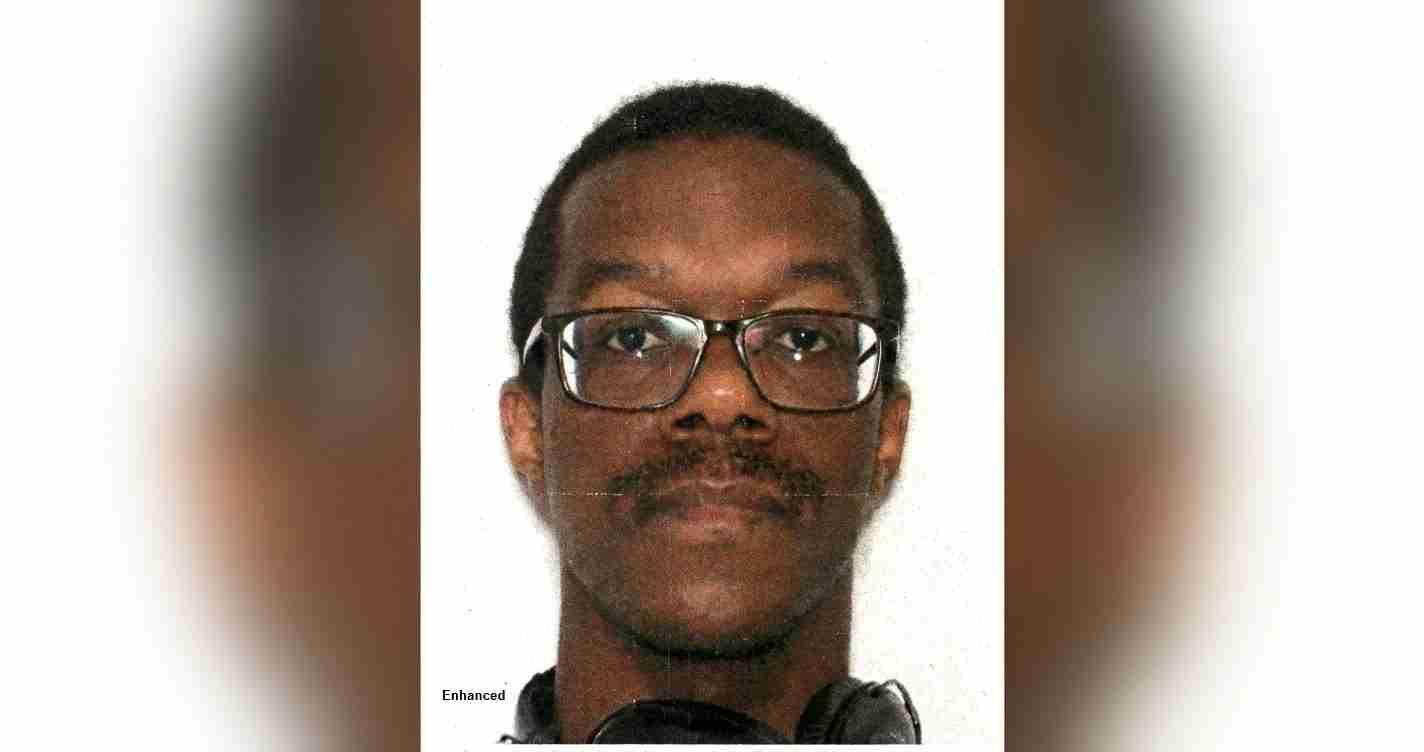
CNN’s Jake Tapper issues on-air correction after calling pipe bomb suspect a “white man”; arrest of Brian Cole Jr. traced to earlier FBI evidence
Jake Tapper issued a swift on-air correction after he described Brian Cole Jr. as “a 30‑year‑old white man” on The Lead, minutes before a photo aired showing Cole is Black — sparking criticism about reporting accuracy.
- On-air correction: Tapper initially misidentified the suspect’s race, then corrected the record after an image aired.
- Arrest origins: Authorities say the arrest was the result of work using previously collected evidence, not a new tip.
- Federal charges: Brian Cole Jr. faces federal explosives-related charges, including alleged violations of 18 U.S.C. § 844.
- Reporting implications: The episode reignited debate over verification practices during live, politically sensitive coverage.
What aired and what went wrong
On The Lead, anchor Jake Tapper introduced the arrest and described the suspect as “a 30‑year‑old white man from the DC suburbs.” Minutes later, the program aired a photograph that clearly showed Brian Cole Jr. is Black; Tapper then issued an on-air correction.
Video of the segment and replayed clips were circulated by other outlets, including a CNN clip and coverage by Fox News. See the CNN video of The Lead segment and the Fox News coverage for the original footage and subsequent discussion.
“The correction was issued on air once the photograph contradicted the original description.”
The arrest and investigation’s timeline
Officials say Brian Cole Jr., 30, reportedly from the Washington, D.C. suburbs (reported as Woodbridge, Virginia), was arrested in connection with pipe bombs placed outside the Republican National Committee and Democratic National Committee headquarters on Jan. 5, 2021. Authorities noted the arrest came nearly five years after the devices were planted.
At a joint Justice Department and FBI news conference, officials emphasized the break came from examining evidence already in the agencies’ possession rather than from a new tip or witness. They credited “diligent police work and prosecutorial work” and described coordination among the FBI, ATF, Capitol Police, Metropolitan Police, and federal prosecutors.
Charges and legal context
Cole faces federal charges including alleged violations of 18 U.S.C. § 844 for using and transporting explosive devices and counts involving malicious destruction by means of explosion. These are serious federal offenses and, if proven, can carry significant penalties.
Officials have not publicly released the full affidavit or every investigative detail, citing parts of the probe that remain under review. Media outlets report the Justice Department characterized the matter as a cold case solved through sustained investigative analysis of previously collected evidence.
Why the on-air mistake matters
Misidentifying a suspect’s race — particularly in cases tied to politically charged events like Jan. 6 — can shape public perception and inflame tensions. The phrase “Tapper misidentifies pipe bomb suspect race” circulated as outlets replayed the clip and discussed the correction, making the error part of the broader story.
Supporters noted the quick correction as an example of responsible journalistic practice when mistakes occur; critics argued that live television’s speed can prioritize immediacy over verification, underscoring the need for tighter checks during breaking coverage.
Media reaction and political framing
Conservative and international outlets highlighted and replayed the mistake, framing it as sloppy reporting and as evidence in debates about media trust. Other observers pointed out that while errors occur in live reporting, issuing timely corrections is a key part of newsroom responsibility.
The episode drew attention to newsroom procedures: how descriptions of identity are verified for accuracy and how editorial teams balance speed with confirmation during unfolding stories.
Implications for Sonoma, California
Local trust in national media: Sonoma residents who follow national cable news may view the incident as a cautionary example; some will be reassured by the prompt correction, while others will emphasize the need for more rigorous checks.
Law enforcement perception: Local agencies can point to the arrest’s framing — solved via evidence already collected — as a reminder of the value of preserving evidence and sustained forensic review.
Community and political conversation: The case and the reporting error may spark local discussion about how race and identity are portrayed in politically sensitive investigations, and about national media influence on civic perceptions.
Practical impact: For most Sonoma residents the developments are remote but notable; local newsrooms and schools might use the episode as a media-literacy teaching moment about corrections, verification, and responsible sharing.