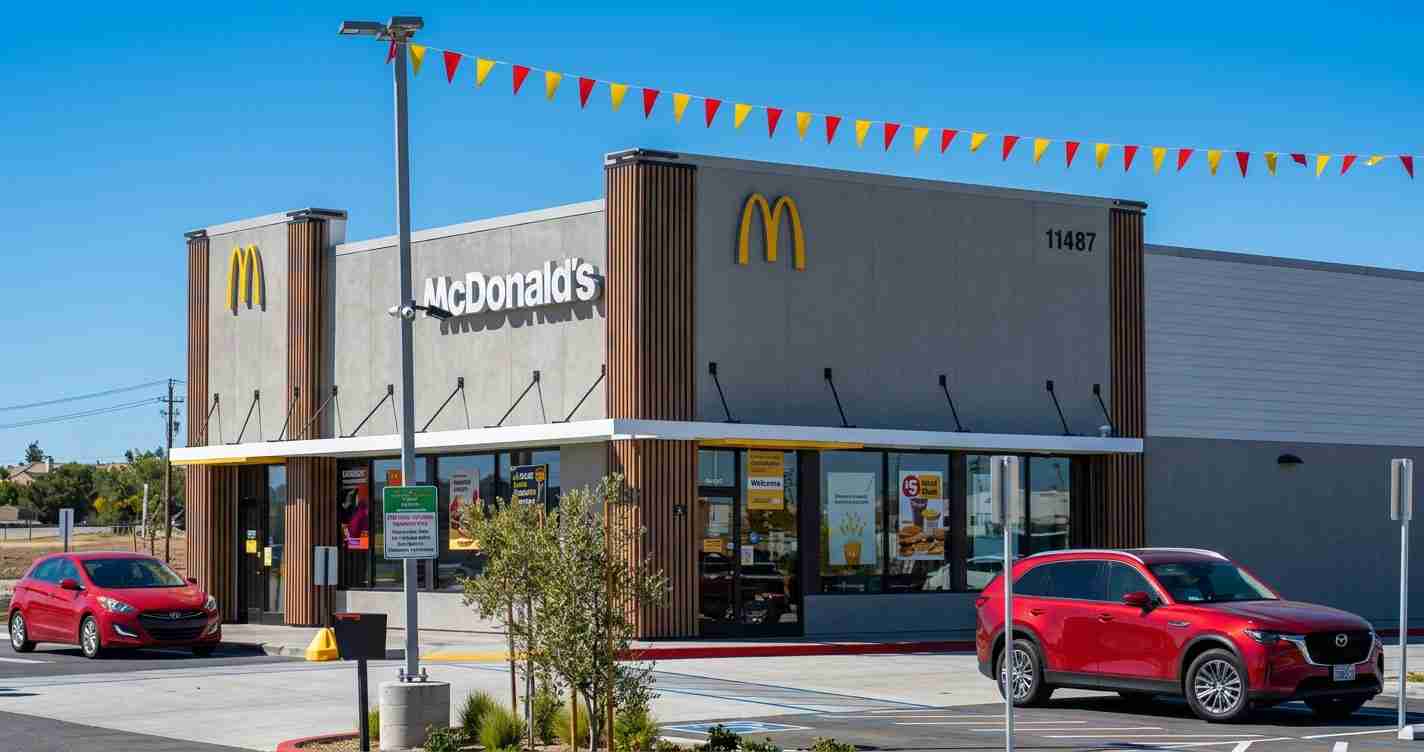
Jerusalem Coffee House Oakland emerges as a Palestinian cultural hub, echoing the Historical Jerusalem Coffee House in London
Opened in September 2023, Jerusalem Coffee House in Oakland serves as a Palestinian cultural hub founded by Abdulrahim Harara, blending heritage-driven menu items, public programming and civic-minded services to foster community, art and political conversation in the Bay Area.
Key takeaways
- Local cultural hub: Jerusalem Coffee House opened in September 2023 to celebrate Palestinian foodways and culture.
- Menu and programs: Signature items (for example Date Tahini Latte and Bebsi) and community offerings range from art collaborations to re-entry services.
- Historical resonance: The Oakland café explicitly invokes coffee-house traditions that link to 15th‑century Middle Eastern coffee culture and London coffee rooms such as the Historical Jerusalem Coffee House.
- Mixed public response: The business has received both enthusiastic local support and backlash related to political and cultural meanings; coverage is documented by local reporting.
Main content
Key information
Name and location: Jerusalem Coffee House, Oakland, California — opened September 2023. Coverage and local reporting appear in Oakland Voices.
Founder: Abdulrahim Harara, a Bay Area native of Palestinian descent, opened the café with a cultural and civic mission.
Mission: The café’s stated aim is to celebrate Palestinian culture, run community programs, and model the coffee house as a space for cultural exchange and political discussion (see the business FAQ).
Offerings: Specialty drinks and foods infuse Palestinian ingredients and flavors — examples include the Date Tahini Latte, Bebsi (espresso, carbonated water, cardamom), and lattes flavored with orange blossom and rose cardamom. Menu and product notes are available from the business FAQ and a video profile.
Community activities: Programming includes art and music collaborations, self‑defense classes for women, and a developing re‑entry program for formerly incarcerated people (see FAQ).
Public response: Local support has been visible alongside backlash tied to the café’s cultural identity and the political context surrounding Palestine; local reporting documents both praise and criticism (Oakland Voices).
Historical roots: the coffee house as public square
Coffee houses have long served as meeting places for conversation, commerce and politics. The modern Jerusalem Coffee House in Oakland connects to a wider tradition stretching from 15th‑century Middle Eastern coffee culture to European public coffee rooms (see the business Our Story and the Grub Street Project record).
A notable historical example is the Historical Jerusalem Coffee House in London, associated with merchants in Cornhill and other City locations. Documentary gaps mean early dates are uncertain; more reliable references place the establishment in the early 18th century, with 19th‑century retrospectives and an 1879 rebuilding noted by historians (Grub Street Project).
Jerusalem Coffee House in Oakland: menu, mission and community
Owner and founder Abdulrahim Harara opened Jerusalem Coffee House in September 2023 to celebrate Palestinian foodways and to create a welcoming neighborhood space. The café positions itself as a Palestinian cultural hub mixing food, music, art and civic programming (FAQ).
The menu intentionally reflects cultural focus: many items are made in‑house or use family recipes, with an emphasis on organic, non‑GMO ingredients and flavors like orange blossom and rose cardamom that adapt Palestinian traditions to a Bay Area palate (FAQ; video profile).
Beyond menu offerings, the café hosts artist collaborations, classes (including self‑defense for women), and is developing a re‑entry program to assist formerly incarcerated people — an effort that positions the business as both a cultural venue and social‑service partner (FAQ).
Politics, identity and local reaction
The name Jerusalem carries political and cultural meaning. For the founder and many Palestinian‑identifying customers, it symbolizes connections to East Jerusalem and Palestinian identity. The café’s public positioning — describing itself as supportive of liberation and as a forum for political conversation — has prompted both praise and criticism (Oakland Voices).
“We aim to honor Palestinian heritage and to welcome patrons of all backgrounds,” the owner emphasizes, framing the coffee house as a place for dialogue rather than division.
Documented reactions underline how food and public space become focal points in broader debates. In the Bay Area — a region known for activism and cultural expression — businesses with explicit cultural or political identities often receive energetic support and intense scrutiny alike (Oakland Voices).
Broader cultural meaning: coffee houses as civic spaces
The café explicitly invokes the historical role of coffee houses as centers for news, debate and community organizing. In the Middle East, coffee houses were social hubs as early as the 15th century; in Europe, London coffee rooms served merchants and hosted political argument and trade information (Our Story; Grub Street Project).
By programming talks, classes and art events, Harara’s café models itself after the so‑called “penny universities” — places where communities exchange ideas, form networks and hear news — and makes that mission visible through its public offerings (FAQ).
Sources and documentation
This article draws on the business’s published materials and local reporting: the café’s FAQ, the café’s Our Story page, local coverage in Oakland Voices, a video profile, and historical background from the Grub Street Project.
Implications for Sonoma, California
Economic impact: Sonoma County’s food and wine tourism could benefit if interest in Palestinian flavors grows; producers of dates, olive oil, tahini and floral flavorings (orange blossom, rose water) may find new markets inspired by Bay Area cafés like Jerusalem Coffee House.
Civic and political consequences: Sonoma’s moderate civic audiences often value community spaces that encourage dialogue. The café’s programming and re‑entry efforts could inspire similar hybrid business‑service models while also prompting conversation about how cultural expression and political advocacy intersect in commerce (Oakland Voices).
Social effects and cultural relevance: Exposure to Palestinian cuisine and events can enrich multi‑ethnic communities and hospitality sectors in Sonoma. Local chefs and cultural programmers may look to family recipes, in‑house preparations and organic sourcing as models for authentic culinary storytelling (FAQ).
Practical applications: Municipal and nonprofit partners in Sonoma could mirror Oakland’s approach by hosting cultural nights, culinary demonstrations or community conversations that highlight Palestinian heritage and support regional diversity initiatives.
Contact / Further reading: Business materials and reporting cited above provide additional details: visit the café’s FAQ and Our Story, read local coverage at Oakland Voices, view a video profile, and consult the historical note at the Grub Street Project.