Joe Rogan warns Charlie Kirk assassination celebration shows US edging toward ‘civil war’
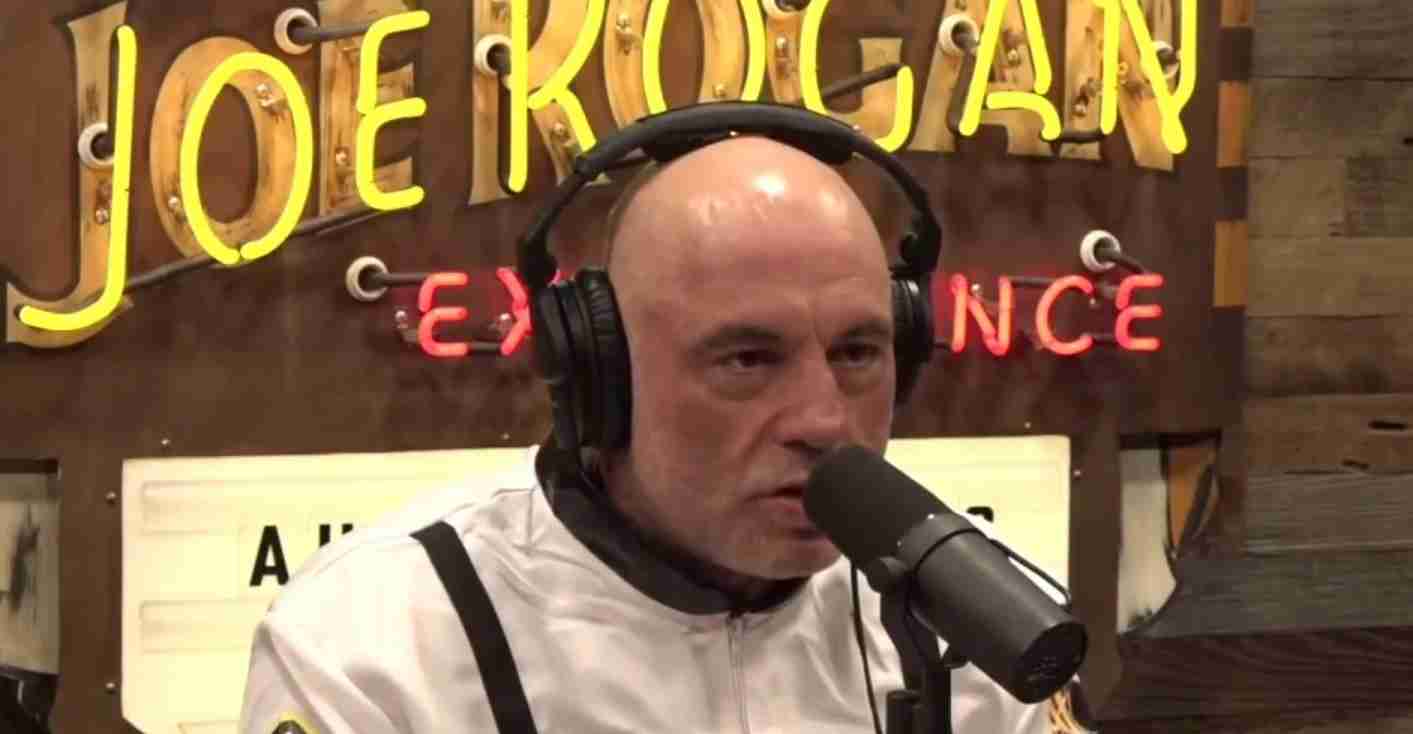
Podcast host Joe Rogan warned the United States may be edging toward civil war after widespread public celebrations following the assassination of conservative activist Charlie Kirk, saying such reactions signal a dangerous breakdown of social norms and political civility.
- Rogan raised his civil-war risk rating after seeing people celebrate Kirk’s killing, moving his personal scale from a “four or five” to a “step seven” — reported by The Independent.
- Witness accounts of celebrations included ordinary citizens — “housewives, moms, people working at banks” — which Rogan cited as evidence of a frightening social shift (see Times of India).
- Legal status: Charlie Kirk was shot and killed in September; a suspect, Tyler Robinson, faces charges and awaits trial (reported by UNILAD).
- Broader context: Experts warn rising polarization and social-media amplification heighten risks, even as long-term data show many lethal attacks since 9/11 were by right-wing extremists and jihadists (The Independent).
Rogan’s warning and what he said
On his podcast, Joe Rogan voiced alarm at online and public reactions to the killing of Charlie Kirk. He described witnessing accounts of everyday Americans celebrating the shooting and said those displays convinced him the nation had moved into “dark territory.” Rogan argued that when people who are not usually politically extreme celebrate violence, it signals a breakdown in basic restraints that hold a pluralistic society together (The Independent; Times of India).
“Find ways to talk out their differences instead of condoning violence against those with whom they disagree,” Rogan urged — a call echoed by other public figures.
Rogan also said he adjusted his personal ten-point scale assessing the risk of civil conflict in America after the public celebrations that followed the killing, moving the needle higher and warning that condoning violence accelerates a slide toward a bona fide civil war (The Daily Beast; The Independent).
The killing of Charlie Kirk: facts and legal status
Charlie Kirk, founder of Turning Point USA and a prominent conservative activist, was shot and killed in September in front of his family, according to reporting. Authorities arrested and charged Tyler Robinson in connection with the shooting; Robinson awaits trial. Media coverage included video and social posts that circulated widely and prompted strong reactions online (UNILAD).
Note: Coverage of both the killing and the public response has been extensive and sometimes sensational; some material circulating on social platforms remains unverified and is still being vetted (AOL).
Reactions across the political spectrum
Rogan’s remarks drew attention because of his large, diverse audience and reputation for political independence. He criticized some left-leaning commentators for what he called hypocrisy in celebrating the killing, using that point to argue violence is being normalized in some circles (Times of India).
Other public figures, including investor Ray Dalio, have issued similar warnings about political and economic instability potentially triggering violent clashes (The Independent).
At the same time, researchers emphasize that political violence in the U.S. does not fit a single narrative: while some incidents appear tied to left-leaning actors, long-term data show a persistent threat from right-wing extremists and foreign-linked jihadists in many of the most lethal attacks since 2001 (The Independent).
Expert analysis: drivers of violence and polarization
Experts cited in reporting point to multiple drivers behind rising political violence: ideological segregation, economic stress, mental health pressures, declining trust in institutions, and the amplification effect of social media. These forces can radicalize individuals and lower thresholds for violent acts (The Independent).
Rogan framed the issue as moral and social: celebrating harm to political opponents removes restraints that keep pluralistic society functioning; others warn rhetoric and public approval of violence can normalize action.
Questions about evidence and scope
Analysts caution against extrapolating broad trends from viral moments. Social media can amplify extreme but minority voices, and viral reactions may not reflect most Americans. Still, poll data and expert warnings show enough concern that leaders and institutions are taking the risk seriously (AOL; The Independent).
Calls for dialogue and civic restraint
Rogan urged Americans to resume dialogue and reject celebrating political violence, a plea echoed across the political spectrum. Analysts suggest local civic groups, faith communities, and political leaders can create safe spaces for conversation and reduce anonymous online hostility (The Daily Beast).
Implications for Sonoma, California
Economic impact: Sonoma County’s tourism, hospitality and small-business sectors depend on a stable public image. National political violence and talk of civil war can deter visitors, raise security costs, and increase insurance premiums.
Political consequences: Local messaging may shift toward safety, civic unity and de-escalation. Candidates and officials could be pressured to condemn violence and promote community forums.
Social effects: Celebrating political violence is divisive in small communities. Schools and faith groups may face strained relationships; civic education and media literacy could be expanded to counter radicalizing content.
Practical applications: Officials can issue clear statements condemning political violence, support mental health and conflict-resolution services, host town halls that model civil conversation, and coordinate law enforcement with community leaders to ensure safety without inflaming tensions.
Sources and further reading
Woodland Hills, California (Times Media Service)