Bessent confronts Stephanopoulos over 1995 government shutdown “terrorists” remark on This Week
On ABC’s This Week, Scott Bessent confronted host George Stephanopoulos over a 1995 remark accusing Republicans of being “terrorists,” prompting a heated, viral exchange that reignited debate over media bias and political messaging and historical context.
- Confrontation on air: Scott Bessent pressed George Stephanopoulos about remarks made while serving in the Clinton White House, accusing him of calling Congressional Republicans “terrorists” (see Fox News, The Daily Beast).
- Historic source cited: The claim traces to a past interview in which Stephanopoulos described Clinton-era communications tactics; archival material is being revisited for context (see Fox News).
- Media reaction: Conservative outlets and media critics rapidly amplified the exchange, prompting renewed discussion about journalists’ past political roles and accountability (NewsBusters, AOL).
Key information
Sunday’s episode of ABC’s This Week featured financier and commentator Scott Bessent pressing host George Stephanopoulos about comments Stephanopoulos made while serving as a senior adviser in the Clinton White House during the 1995 government shutdown. Sources report Bessent accused Stephanopoulos of calling Congressional Republicans “terrorists” as part of a communications strategy at the time. Reports referenced during and after the segment appeared in Fox News, The Daily Beast, NewsBusters, and AOL.
Background — why the 1995 government shutdown still matters
The 1995-96 government shutdowns were a defining political fight between President Bill Clinton and the Republican-controlled Congress led by Speaker Newt Gingrich. The impasse centered on budget priorities and spending levels. Both parties used strong messaging to shape public opinion, and the debate over who “won” the political argument has continued to influence strategy in later shutdowns. Recent reporting drew a line between that history and current shutdown debates (see Fox News).
Exchange on “This Week” — Bessent confronts Stephanopoulos
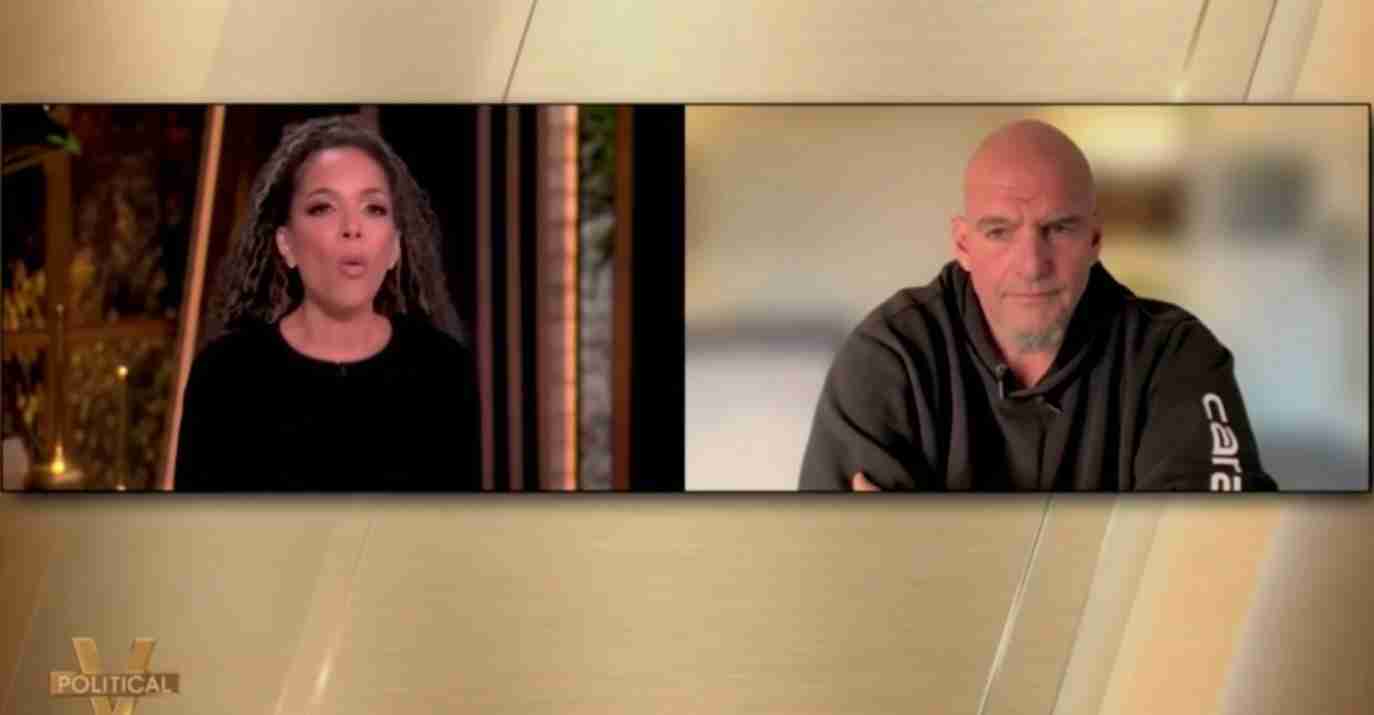
During the live segment, Stephanopoulos asked Bessent about possible routes to end the present shutdown; Bessent responded by citing history. Bessent said:
“And, you know, you basically called the Republicans terrorists … And so, what we need is five brave, moderate Democratic senators to cross the aisle … That’s the best way to do it, George,”
Stephanopoulos replied, “I can disagree with you about the history there, but we don’t have a history lesson right now,” attempting to steer the conversation to current tactics. Bessent interrupted and insisted he had documentation: “No, no, no. George, George, George. If you want, I’ve got all your quotes here. I got all your quotes here, George,” which escalated the exchange. Video and writeups show the segment grew increasingly heated before the program moved on (see Fox News video clip; The Daily Beast).
The original remark — Stephanopoulos’s 2000 interview
The pointed charge centers on a 2000 interview Stephanopoulos gave on PBS. In that interview he described the Clinton team’s communications approach to the shutdown:
“Our strategy was very simple. We couldn’t buckle, and we had to say that they [Republicans] were blackmailing the country to get their way … And we were trying to say that they were basically terrorists, and it worked,”
Those words have been used by critics to argue that Democratic strategists framed the shutdown debate in deliberately harsh terms. Stephanopoulos’s depiction of the 1995 communications playbook has appeared in media retrospectives; the recent exchange renewed attention to that language and the role of messaging in political impasses (referenced in Fox News coverage).
Media follow-up, reactions and context
The Bessent–Stephanopoulos exchange was picked up quickly by conservative outlets and media critics. Fox News and NewsBusters emphasized the “terrorists” remark and Bessent’s insistence on historical quotes. The Daily Beast ran a detailed write-up noting the rapid escalation, and AOL published a summary.
ABC News did not immediately issue a detailed statement beyond program summaries, and Stephanopoulos did not retract the earlier PBS remark on air. Reports indicate he characterized Bessent’s framing as a “mischaracterization of history” while attempting to redirect the segment to present shutdown negotiations.
Why this matters now — messaging, accountability and the hunger for clarity
Two ongoing questions are highlighted by the exchange:
- Journalist accountability: How should journalists who were once political staffers be treated when they move into news roles? Viewers and guests may expect anchors to explain past political strategies when those histories surface.
- Persistent impact of past language: Past phrases like the Stephanopoulos “terrorists” remark can be revived to shape narratives about blame and responsibility during federal shutdowns.
For those seeking context, the cited PBS interview remains a primary reference to Stephanopoulos’s own description of Clinton-era tactics; media critics and commentators are likely to analyze how that line was used on Sunday to press current points.
Implications for Sonoma, California
Local ripple effects from national shutdowns and charged media rhetoric can be tangible in communities like Sonoma.
Economic impact
Federal work stoppages and political standoffs can affect Sonoma County residents who rely on federal services or funding. National parks, veterans services, and federal agricultural programs supporting local growers can slow operations, producing short-term losses for tourism and farming businesses. Small businesses serving federal employees or contractors may also feel ripple effects.
Political consequences
The Stephanopoulos “terrorists” remark and the Bessent confrontation may shift local conversations about national media coverage. In Sonoma, a politically moderate region with active civic engagement, voters may press candidates and commentators about past roles in political fights and emphasize federal accountability and bipartisanship.
Social effects
Heated national rhetoric can raise tensions in local discourse. Community groups hosting civic forums may see citizens demanding separation of historical political strategy from present policy needs, and residents focused on restoring services may push for practical solutions rather than partisan blame.
Cultural relevance
Sonoma values local cooperation and civic stewardship. Public airing of past political tactics may clash with regional preferences for pragmatic problem-solving; local leaders may emphasize the costs of national political theater to community well-being.
Practical applications for residents
- Check federal service availability and have contingency plans if you rely on federal programs.
- Businesses dependent on tourism and outdoor recreation should monitor federal park and service updates.
- Voters interested in media accountability can attend local candidate forums or contact representatives to ask how national shutdowns will affect the region.
What to watch next
Media and political watchers will likely revisit the PBS interview and other archival material to fact-check the exchange. Watch for follow-up statements from ABC News or Stephanopoulos, new clips or transcripts clarifying the 2000 interview, and commentary about how past political language should be handled on air. Coverage sources for the original reporting include Fox News, The Daily Beast, NewsBusters, and AOL.