Democratic lawmakers who backed California’s cap-and-invest reauthorization now urge CARB to rethink rules, warning of higher energy costs
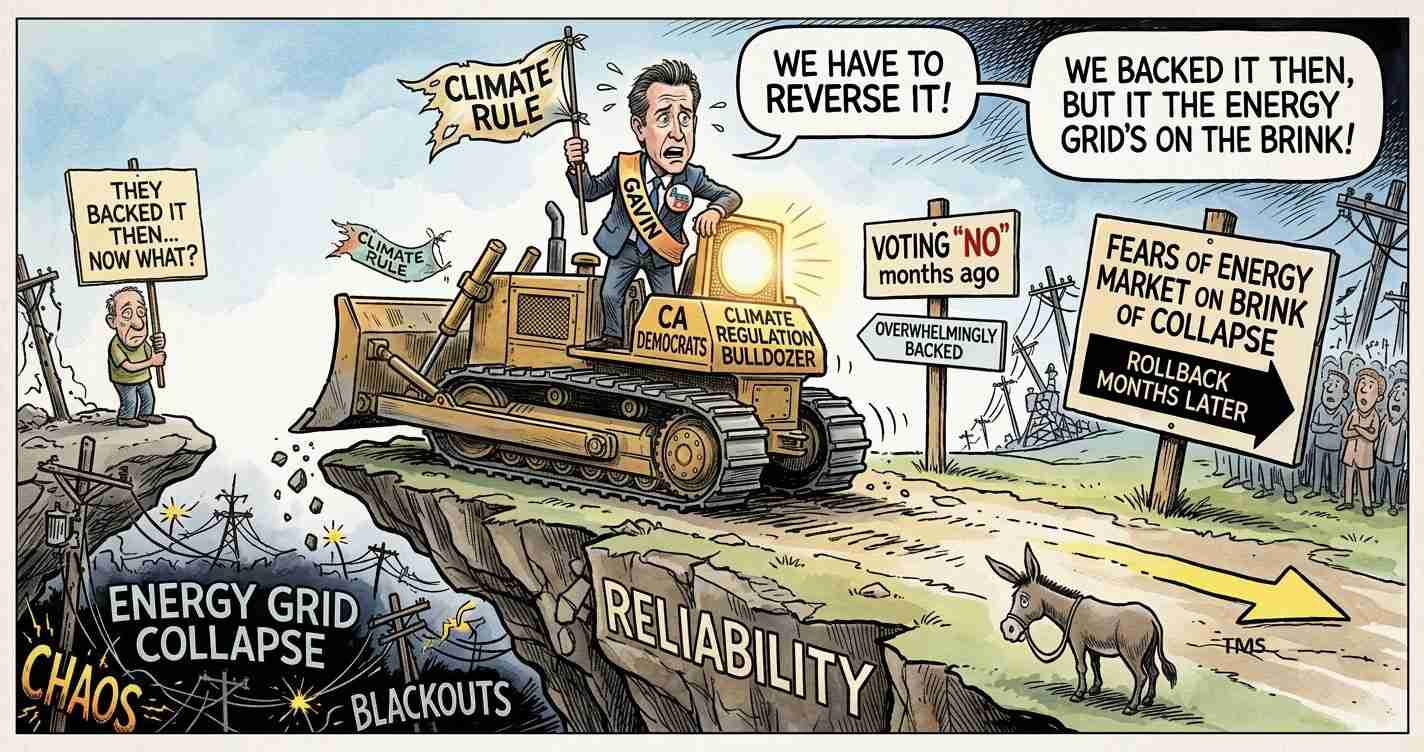
Fifteen California Democratic Assemblymembers who backed last year’s cap-and-invest reauthorization asked the California Air Resources Board to rethink proposed amendments, warning stricter rules for fuels, gas and electricity could destabilize markets and raise energy costs ahead of a May 2026 vote.
Key takeaways
- Fifteen Assemblymembers who voted to reauthorize cap-and-invest in September 2025 sent a letter urging CARB to reconsider changes affecting fuels, gas and electricity — reported by Carbon Pulse and the San Joaquin Valley Sun.
- Lawmakers warn proposed amendments could outpace infrastructure and technology, creating chronic supply imbalances and long-term market instability (reported by Carbon Pulse).
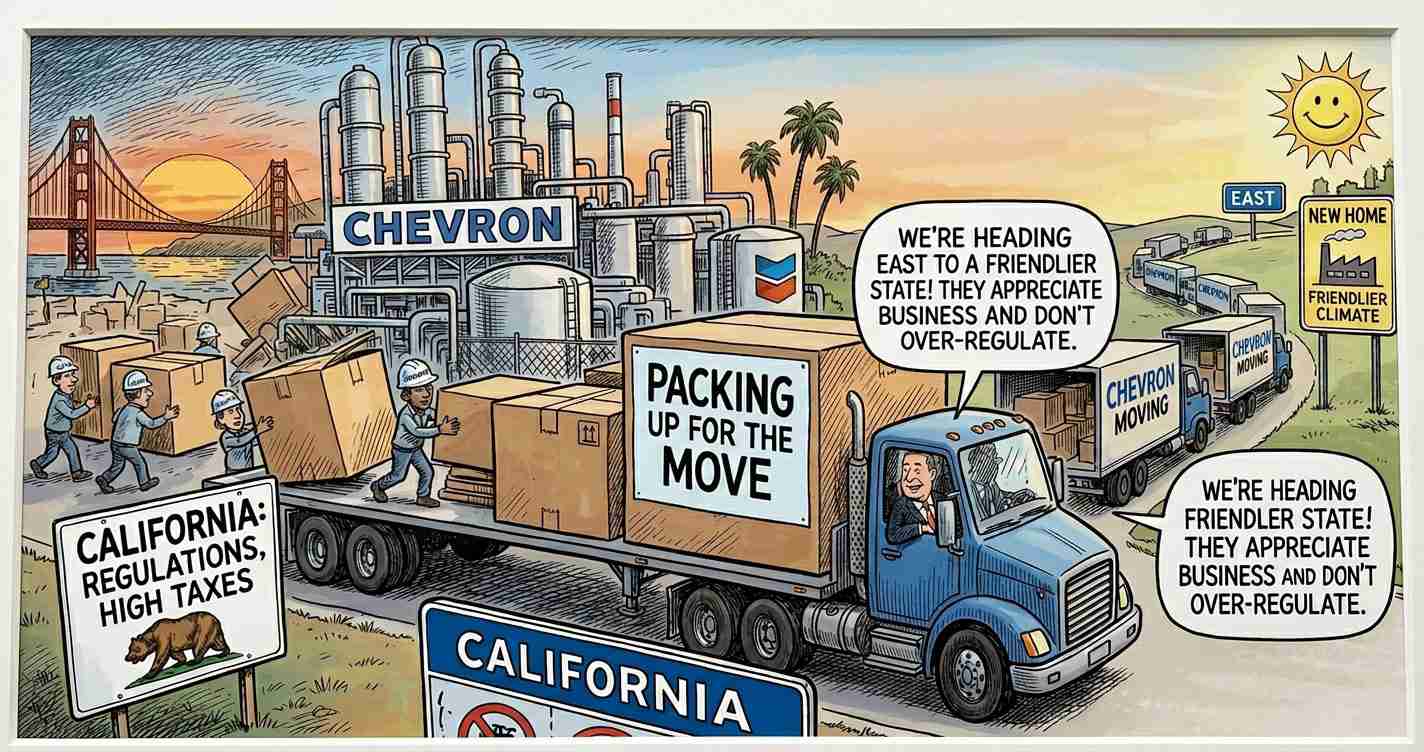
- Industry groups including Chevron say changes could push gas prices up by more than $1 per gallon by 2030 and prompt refineries to exit the state — detailed in industry briefings and a YouTube briefing.
- CARB is scheduled to vote on the cap-and-trade amendments in May 2026 per the 2025 reauthorization direction (see Carbon Pulse and the YouTube briefing).
Key information
Fifteen Democratic Assemblymembers who voted to reauthorize the California cap-and-invest program in September 2025 sent a letter asking the California Air Resources Board (CARB) to pause or rethink proposed changes affecting fuels, gas and electricity. Coverage of the letter appears in Carbon Pulse and the San Joaquin Valley Sun.
Lawmakers argue the proposed amendments could outpace infrastructure and technology, producing chronic supply imbalances and destabilizing markets — a core concern cited in reporting by Carbon Pulse. Industry briefings and statements cited in local reporting warn of price increases and refinery departures; for example, Chevron estimated potential gasoline price increases exceeding $1 per gallon by 2030 in an industry presentation summarized in a YouTube briefing.
Background: what the California cap-and-invest program does
California’s cap-and-invest program sets a hard cap on greenhouse gas emissions from major polluters. Regulated companies must acquire allowances to cover emissions, and proceeds from allowance sales fund clean energy and climate programs. Supporters call it a cost-effective central market tool for reaching state climate goals; CARB describes it as the state’s main market instrument to cut emissions (see the YouTube briefing).
The 2025 reauthorization directed CARB to tighten rules: lower the cap, reduce available credits, and update how the program applies to fuels, gas and electricity through 2030. CARB’s current proposed amendments implement that direction and are slated for a public vote in May 2026 (coverage: YouTube briefing; Carbon Pulse).
What the lawmakers said and why it matters
On Monday, 15 Assemblymembers sent a joint letter to CARB Chair Lauren Sanchez asking the agency to pause or rethink parts of the proposed amendments. The letter was signed by: Blanca Rubio, Michelle Rodriguez, Jose Luis Solache, Stephanie Nguyen, Lisa Calderon, Juan Carrillo, James Ramos, Lori Wilson, Blanca Pacheco, Maggy Krell, Esmeralda Soria, Tina McKinnon, Cecilia Aguiar-Curry, Anamarie Avila Farias, and Mike Gipson (reported in Carbon Pulse and the San Joaquin Valley Sun).
“a reality borne by consumers today who are historically and empirically least able to afford it.”
Their core warnings include:
- Speed vs. readiness: An energy transition faster than available infrastructure, market realities and technology could create chronic supply imbalances.
- Cost impacts: Imbalances could lead to long-term market instability and higher energy costs for families already under strain.
- Political paradox: These Assemblymembers supported the 2025 reauthorization but now ask CARB to account for the practical economic and political fallout before finalizing stricter limits.
Industry warnings: price estimates and refinery concerns
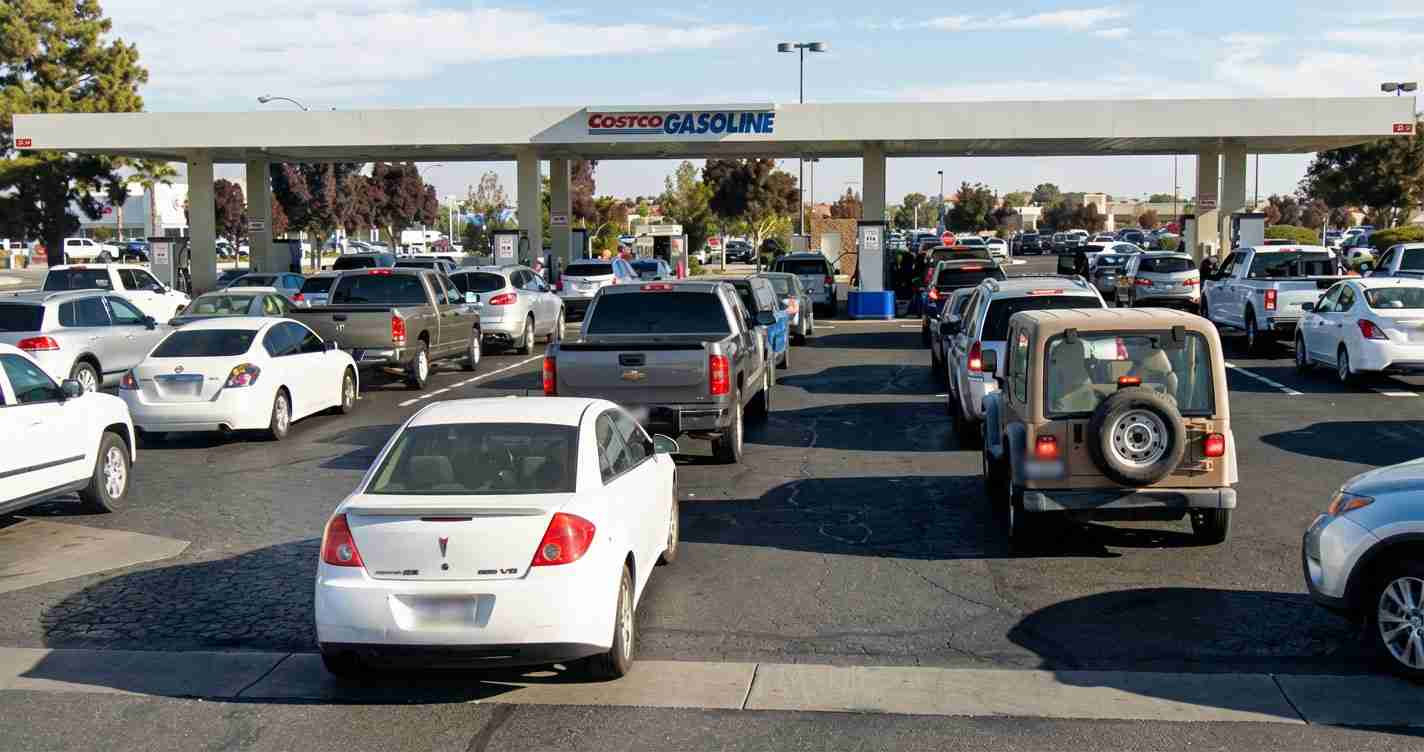
Oil and refinery groups have lobbied against the tighter limits. Industry briefings summarized in local reporting project that stricter rules could push gasoline prices higher — Chevron estimated increases of more than $1 per gallon by 2030 under the proposed scenario, citing reduced refinery throughput and higher fuel-input costs (see the YouTube briefing).
Industry stakeholders also warn some refineries may scale back operations or exit California, potentially increasing imports of refined fuels and exposing the state to supply shocks. Recent historical spikes in pump prices — including jumps tied to global tensions — amplify concerns about policy-driven price pressure (summary: YouTube briefing).
CARB’s position and regulatory timeline
CARB defends the cap-and-invest program as a market-based, cost-effective tool to reduce emissions and protect public health and the environment. Agency officials note the 2025 reauthorization required rule updates, which led to the current proposal. Regulators plan a formal vote on the proposed cap-and-trade amendments in May 2026 — a pivotal regulatory moment (see YouTube briefing and Carbon Pulse).
Political stakes: a brewing clash in Sacramento
The lawmakers’ letter adds tension to an already contested debate involving Republican criticism and industry opposition. With Democrats who backed the reauthorization urging CARB to reconsider, the issue is moving from technical rulemaking into the center of state politics.
If CARB proceeds with tighter limits, reauthorization supporters could face constituent pressure over bills and job impacts in energy and refining communities. If CARB pauses or softens rules, climate advocates may accuse the agency of backtracking — both outcomes could drive political battles at the Capitol and affect California’s climate leadership posture (reported: Carbon Pulse; San Joaquin Valley Sun).
What’s still unclear
Available coverage notes gaps in public information: the full text of the Assemblymembers’ letter was summarized but not widely published in full, CARB’s formal response was not available in reviewed reporting, and the underlying modeling for Chevron’s price estimate — plus independent economic analyses — have not been fully released or publicly debated (sources: Carbon Pulse; San Joaquin Valley Sun).
Implications for Sonoma, California
Economic impact: Sonoma County households already face high living costs; higher gasoline and fuel prices could raise commuting and shipping costs, affect tourism and wine businesses, and squeeze small businesses with thin margins. Local effects mirror concerns raised in the YouTube briefing and reporting in Carbon Pulse.
Political consequences
Sonoma voters are engaged on climate issues but sensitive to cost-of-living pressures. Moderate voters and local officials may press for safeguards—such as phased implementation or consumer protections—using the Assemblymembers’ letter as political cover to request measured approaches from CARB.
Social effects
Higher energy costs typically hit lower- and middle-income residents first. In Sonoma, rising gasoline and utility costs could increase household strain, food insecurity, and demand for nonprofit services; local social safety nets may see increased need (lawmakers’ concerns summarized in Carbon Pulse).
Cultural relevance
Sonoma’s environmental stewardship values coexist with concern for economic well-being. The debate highlights a local tension: pursuing climate leadership while protecting workers, households and small businesses — a balance likely to animate community meetings, business groups and conservation organizations.
Practical applications for residents
- Engage: Watch CARB’s rulemaking schedule and public comment opportunities leading to the May 2026 vote (coverage and timelines summarized in Carbon Pulse).
- Track costs: Monitor local energy and transportation prices; residents may qualify for state or county assistance programs if bills rise.
- Businesses: Review contingency plans, consult industry groups and chambers, and consider supply-chain adjustments.
- Advocate: Press for targeted rebates, phased implementation, or local clean-energy investment to reduce short-term exposure to fuel-price shocks.