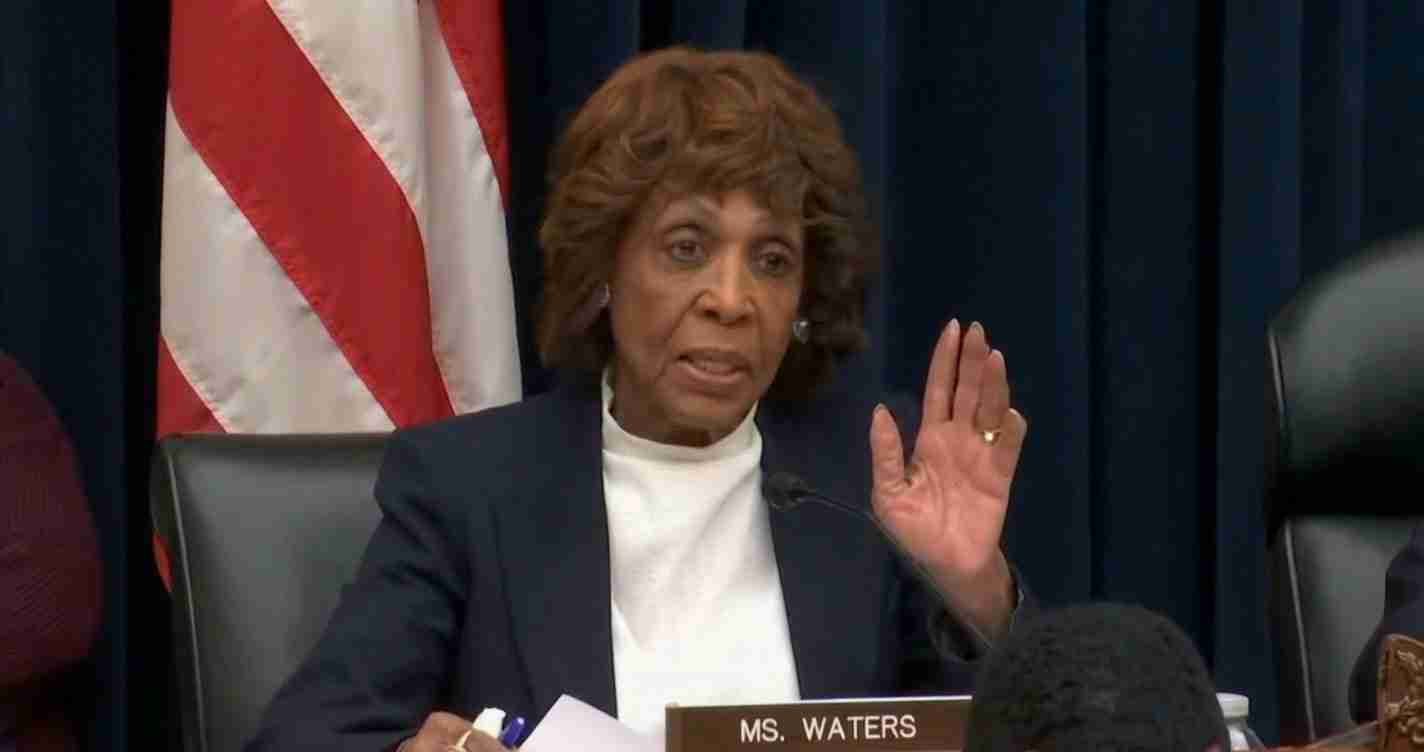
Waters and Bessent Clash Over Tariffs’ Impact on Inflation and Housing
Treasury Secretary Scott Bessent and Rep. Maxine Waters sparred in a heated House Financial Services Committee hearing over whether Trump-era tariffs raised consumer prices and worsened housing affordability, underscoring sharp policy divides and real-world consequences.
- Fiery exchange: Waters and Bessent clashed over past statements and whether tariffs are inflationary.
- Tariff effects debated: Waters warned of higher construction costs and “half a million fewer homes built.”
- Research vs. history: Bessent cited long-run data and the San Francisco Fed; other studies find modest inflationary effects concentrated in some sectors.
- Local stakes: Sonoma County could face higher building and consumer costs if tariffs raise input prices for housing and tourism-related businesses.
Hearing overview
The hearing focused on whether President Trump’s tariffs pushed up prices for U.S. consumers and made housing less affordable. (Sources: Fortune, Fox News)
The core disagreement on tariffs
At the center was whether tariffs are inflationary and how much they matter for the broader economy. Rep. Waters pressed Bessent on prior statements she said conflicted with his testimony, pointing to a February 2024 letter to investors and media comments that suggested tariffs would raise prices.
Bessent pushed back, citing historical studies and the San Francisco Fed and “150 years of data,” arguing tariffs represent a small share of GDP over time and are not the primary driver of major inflation episodes.
Housing affordability and construction costs
Waters emphasized housing: tariffs on lumber, steel and major appliances can raise costs for builders and buyers, potentially slowing construction and keeping prices elevated. She warned such policies could result in “half a million fewer homes built.” (Source: Fortune)
Bessent countered that lumber prices were at a five-year low, a claim that conflicted with market data cited during the hearing: lumber futures traded around $589.50 on the day of testimony versus $469 in January 2023 — a discrepancy Waters used to argue concentrated supply-chain effects can be meaningful for residential construction.
The heated confrontation
Tensions flared as lawmakers debated facts and tone. Waters repeatedly told Bessent he “did not get to talk,” and at one point asked, “Can you shut him up?” when Bessent interjected. Bessent later said Waters lacked “some level of dignity.” Other Democrats joined in sharp exchanges, with Rep. Emanuel Cleaver calling the session “embarrassing,” and Rep. Stephen Lynch criticizing non-responsive answers. (Sources: Fortune, Fox News, Notus)
Research consensus and broader context
Economic research offers a nuanced picture. Many recent studies find Trump-era tariffs were modestly but clearly inflationary — raising import and retail prices and having larger effects in sectors with tight supply chains, such as residential construction. That literature supports Waters’ contention that tariffs add to consumer costs and housing pressures even if they are not the single largest cause of overall inflation. (Source: Fortune)
Bessent emphasized long-run data and historical episodes — a view echoed by scholars who stress the dominant roles of monetary policy, supply shocks and fiscal events in major inflation episodes. The hearing also occurred amid a pending Supreme Court decision on whether some 2025 duties exceeded presidential authority, a legal backdrop with potential policy consequences. (Sources: Fox News, Notus)
Implications for Sonoma, California
Economic impact: Sonoma County faces a tight housing market. Tariffs that raise the cost of lumber, steel or appliances can increase building costs, slow supply growth, and push prices up for buyers and renters — affecting local workers in hospitality and service sectors. (Source: Fortune)
Political consequences: Rising housing costs tied to federal tariff policy could sharpen local debates and increase pressure on county officials to seek state or federal assistance for housing development or subsidies. The pending Supreme Court decision on 2025 duties adds uncertainty for Sonoma businesses.
Social effects: Slower homebuilding could mean fewer construction jobs, higher rents, longer commutes, and strain on transit — with seasonal workers and lower-income residents particularly vulnerable.
Cultural relevance: Sonoma’s small businesses, wineries and artisans may face tighter margins if input and consumer-good prices rise, with ripple effects across the county’s tourism-driven economy.
Practical advice: Homebuyers, renters and small businesses should plan for potential upward pressure on costs: review supplier contracts, consider domestic sourcing, lock in bulk purchases where feasible, and local officials should prioritize affordable-housing approvals and funding options.
Reporting links and sources
– Fortune: Scott Bessent, Trump tariffs, and Maxine Waters hearing
– Fox News: “Can you shut him up?” Waters-Bessent clash
– Notus: Coverage of House Democrats’ exchanges with Bessent