Lawmakers Face Financial Pressure
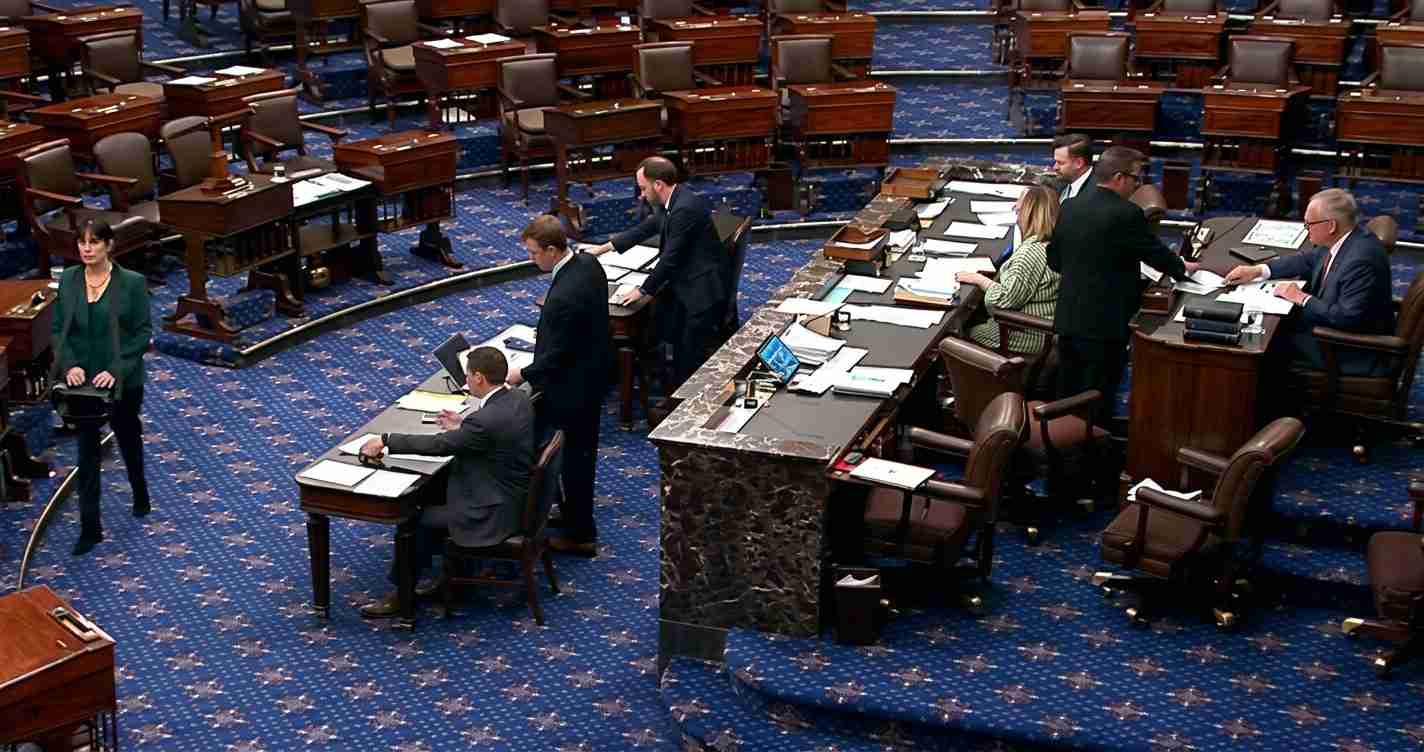
WASHINGTON (Sonoma Times) – The U.S. Senate has unanimously approved a resolution that would suspend senators’ pay during future federal government shutdowns, marking a significant shift in congressional accountability after a series of historic closures disrupted federal agencies, airport operations, and worker paychecks across the nation. The measure, championed by Republican Sen. John Kennedy of Louisiana, aims to ensure lawmakers share in the financial consequences that federal employees have endured during repeated shutdown battles in Washington.
Top Areas Covered:
- Senate resolution to withhold lawmaker pay during shutdowns
- Impact of recent federal government shutdowns
- TSA and federal worker disruptions
- Republican-led efforts to prevent future shutdowns
- Growing political tensions over budget negotiations
For decades, government shutdowns were viewed in Washington as a last-resort political maneuver. However, recent years have seen shutdown threats become increasingly common as partisan gridlock over federal spending intensified.
The Senate’s newly passed resolution would direct the secretary of the Senate to place lawmakers’ salaries into escrow during any future shutdown. Senators would regain access to their pay only after Congress reached an agreement to reopen the government. The resolution applies exclusively to members of the Senate.
The move follows two major shutdown crises that rattled federal agencies and disrupted daily life for millions of Americans. The 43-day partial shutdown beginning in late 2018 became the longest government shutdown in U.S. history, forcing hundreds of thousands of federal employees to work without pay or remain furloughed. National park services, federal law enforcement agencies, and scientific research divisions were among those affected.
Only months later, funding disputes again placed pressure on the Department of Homeland Security, extending uncertainty for agencies responsible for border security, airport screening, and emergency preparedness. Transportation Security Administration workers, many of whom continued working without pay, reported staffing shortages and operational strain at major airports nationwide.
The financial impact on federal workers renewed calls in Congress to impose direct consequences on lawmakers involved in shutdown standoffs. Senators earn an annual salary of $174,000, while Senate leadership positions can exceed $193,000 annually.
The resolution is one of several proposals introduced by Republican lawmakers in response to repeated shutdown confrontations. Sen. Ron Johnson of Wisconsin has supported legislation backed by federal labor unions that would guarantee federal employees receive back pay during shutdowns. Sen. James Lankford of Oklahoma has advanced a separate proposal that would temporarily extend government funding automatically to avoid immediate closures while budget negotiations continue.
The political debate surrounding shutdowns has intensified ahead of upcoming election cycles, with Republicans accusing Senate Democrats of using funding deadlines as leverage during negotiations. Democrats, meanwhile, have argued that shutdowns stem from broader disagreements over spending priorities and legislative demands.
Notably, the Senate pay-withholding resolution would not take effect until after the upcoming federal election cycle, meaning current lawmakers would not immediately face withheld salaries if another shutdown occurred before then.
Supporters of the measure argue that forcing lawmakers to experience the same financial uncertainty as federal employees could discourage future shutdowns and pressure Congress to resolve budget disputes more quickly. Critics, however, question whether the resolution alone can overcome the entrenched partisan divisions that have repeatedly pushed Washington to the brink of closure.
The measure now stands as another sign of growing public frustration with congressional dysfunction as lawmakers continue to search for long-term solutions to recurring federal funding crises.