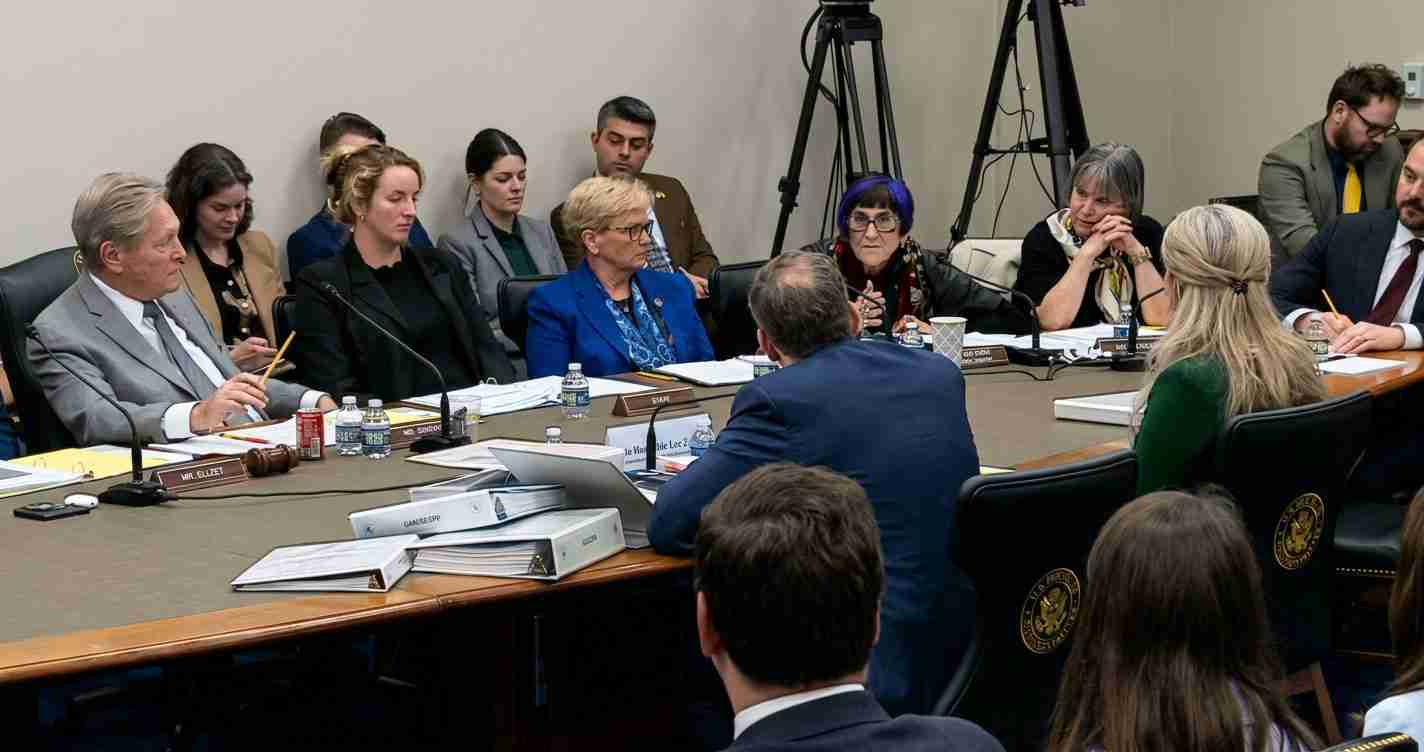
Zeldin-DeLauro EPA clash erupts over Loper Bright, budget cuts as hearing goes viral
A heated, viral April 28, 2026 congressional hearing saw EPA Administrator Lee Zeldin and Rep. Rosa DeLauro clash over the agency’s 2027 budget and Loper Bright, spotlighting deep divisions over environmental authority and regulatory cuts.
- Sharp dispute: The House Appropriations hearing focused on an EPA 2027 budget request that would cut agency funding by more than 50% and drew a tense exchange between Zeldin and DeLauro.
- Legal flashpoint: Zeldin repeatedly cited Loper Bright and the major-questions doctrine to argue agency authority is limited.
- Viral moment: Video clips of the confrontation spread widely online and spurred partisan reaction and media coverage.
- Local implications: Communities like Sonoma, California, could face reduced monitoring, fewer grants, and pressure on local governments and nonprofits if cuts proceed.
The hearing: what happened, moment by moment
The tense exchange unfolded during the House Appropriations hearing on the EPA’s 2027 budget request. Rep. Rosa DeLauro, the top House Appropriations Democrat, said the proposal “reads like a climate change denier’s manifesto,” arguing it abandons the agency’s duty to protect public health and the environment. Watch the video of the hearing for the full exchange.
Zeldin pushed back, contending the agency lacks authority to make certain broad policy declarations absent clear direction from Congress. He then questioned DeLauro’s familiarity with recent Supreme Court rulings, saying, “You’re upset that you don’t know what Loper Bright is,” and adding, “You’re a member of Congress. You should know.” The back-and-forth turned on interpretations of judicial decisions and the limits they place on agency action.
“The budget proposal reads like a climate change denier’s manifesto,” — Rep. Rosa DeLauro
How the exchange unfolded
Video shows Zeldin offering to explain “the two biggest Supreme Court cases of the last few years,” referencing rulings tied to the major-questions doctrine and agency deference. DeLauro attempted to press her point about real-world harms — flooding, air pollution, and higher health costs — but the exchange became procedural and legalistic as Zeldin emphasized statutory and constitutional limits on agency action.
Legal context Zeldin cited
Two legal ideas formed the backbone of Zeldin’s argument. First, the 2024 Loper Bright decision substantially curtailed doctrines that previously gave deference to agencies’ interpretations of ambiguous statutes. Second, the major questions doctrine — exemplified in cases such as Michigan v. EPA and West Virginia v. EPA — requires clear congressional authorization for agencies to take sweeping regulatory actions. For analysis and commentary, see the coverage and clips and published reporting on the exchange.
Budget fight at the center
At the heart of the hearing is the administration’s request to cut EPA funding by more than 50% for 2027. Democrats warned such reductions would sharply reduce staff, programs, and enforcement, potentially handing regulatory space to polluters and leaving communities exposed to environmental and health risks. Zeldin framed the cuts as a corrective to perceived regulatory overreach and as a means of returning policymaking authority to Congress.
Viral reaction and partisan fallout
Clips of the exchange circulated rapidly on social media the same night. Conservative commentators praised Zeldin for pressing DeLauro on legal doctrine; others defended DeLauro’s emphasis on community harms and climate impacts. The episode was amplified across platforms, including commentary and segments such as Zeldin’s appearance on The Ingraham Angle and related reporting.
Source material and where to watch
- Full hearing clip (YouTube)
- Viral excerpt and legal commentary (YouTube)
- Fox News coverage of the exchange
- Zeldin on The Ingraham Angle
Implications for Sonoma, California
The national clash will reverberate locally in Sonoma County, where agriculture, wineries, tourism, and small businesses depend on environmental quality and federal supports. Residents and officials should weigh potential impacts across economy, politics, public health, and culture.
Economic impact
Fewer resources for monitoring water quality, air pollution, and hazardous sites could affect grape growers, food producers and tourism operators. Reduced federal grants and technical assistance may slow restoration and resilience projects that support farms and watersheds.
Political consequences
Moderate Sonoma voters may view the debate pragmatically, worrying that deep cuts could erode protections. Local elected officials could face pressure to oppose federal reductions or pursue state and local funding to fill gaps.
Social effects
Communities that have experienced wildfire smoke events or floods may fear diminished federal capacity to respond. Public health advocates and community groups may mobilize around calls for more investment in monitoring, climate adaptation, and health services.
Cultural relevance
Sonoma’s identity is tied to stewardship of land and natural beauty. The budget framing as a “climate change denier’s manifesto” resonates with conservation groups, while stakeholders concerned with regulatory costs may applaud limits on agency reach.
Practical applications for residents
- Water and air quality: Stay informed about local monitoring and health advisories if you rely on private wells or live near agricultural operations.
- Grants and resilience funding: Nonprofits and local governments may need to seek alternate funding or reprioritize wildfire mitigation, watershed restoration, and cleanup projects.
- Public engagement: Contact your members of Congress to express concerns about EPA funding and local protections; congressional action sets agency authority and budgets.
Sources and further reading
- Full hearing video
- Viral clip and legal discussion
- Fox News coverage of the exchange
- Zeldin appearance on The Ingraham Angle
All original facts, quotations, and URLs preserved from reporting and publicly available video coverage of the April 28, 2026 hearing.