Giant yellow cedar felled on Vancouver Island despite protection threshold, prompting provincial probe
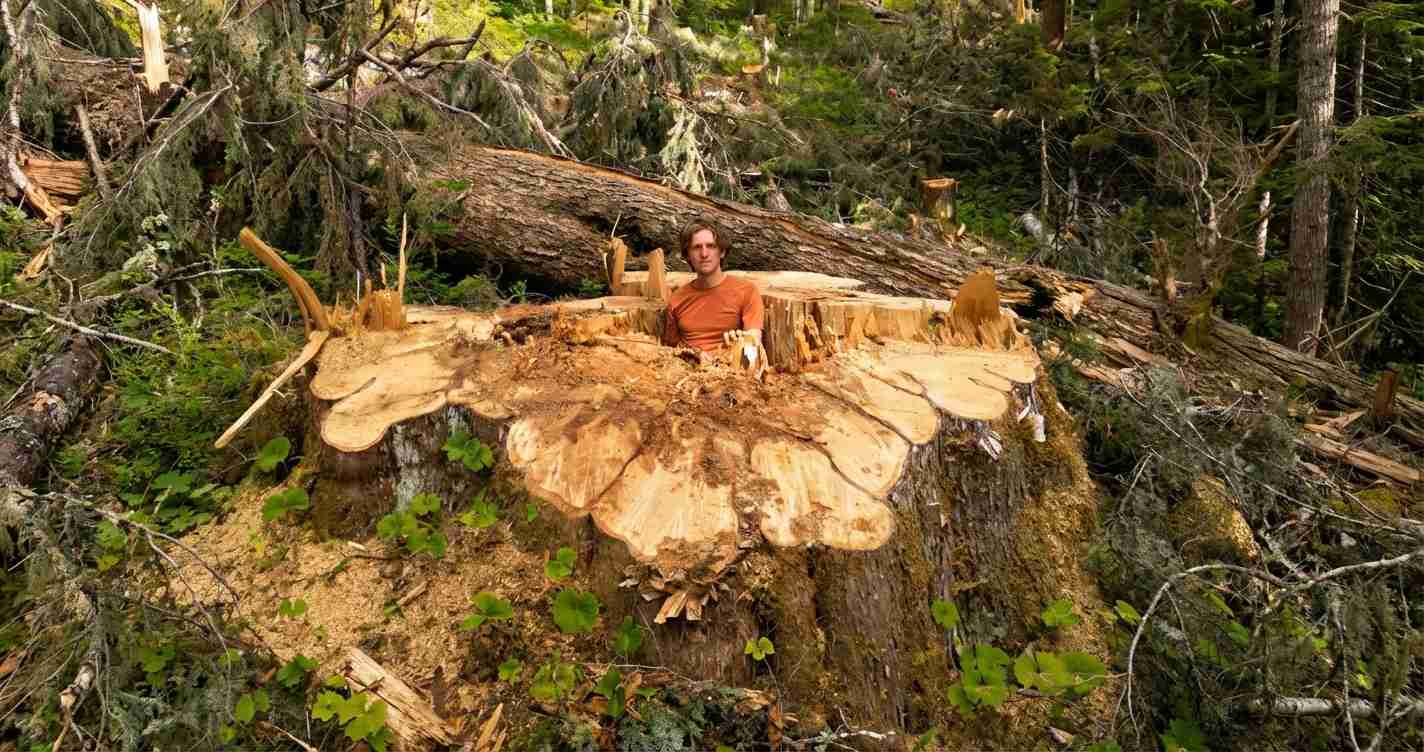
A colossal yellow cedar measured at 2.79 metres DBH was illegally felled near Gold River on Vancouver Island, prompting a BC Forests Ministry investigation after a complaint alleging breach of the Special Tree Protection Regulation.
- Measured above protection threshold: A yellow cedar near Gold River was measured at 2.79 metres DBH, exceeding the legal protection threshold of 2.65 metres for that species. Global News: “BC cedar” report, North Shore News coverage.
- Regulatory duties: Under the Special Tree Protection Regulation the tree — and a 56‑metre supporting radius — should have been protected and reported within 30 days by the responsible operator. Special Tree Protection Regulation (BC).
- Investigation launched: The BC Forests Ministry opened an investigation after Joshua Wright filed a complaint to determine whether reporting requirements or ministerial authorizations applied. Global News.
- Enforcement concerns: Critics say reliance on industry self-reporting allows gaps in oversight that can let protected trees be cut before officials can act. Reporting and analysis.
What was cut and where
Local tree hunter and activist Joshua Wright identified the tree in a working forestry area near Gold River and measured it at 2.79 metres DBH. That measurement surpasses the 2.65‑metre threshold for yellow cedar listed in the regulation’s schedule, which should have triggered protection for the tree and its supporting stand out to a 56‑metre horizontal radius.
According to published reports the tree and its buffer “should have been left untouched unless the minister granted an exemption.” The tree was felled during a forestry operation; provincial rules require the person responsible for operations to report any specified trees within 30 days of becoming aware of them. Observers say industry self-reporting can allow qualifying trees to be missed or cut before authorities are aware. Global News, North Shore News.
What the law says
The Special Tree Protection Regulation, enacted under the Forest and Range Practices Act, lists species and minimum diameters for “specified trees” that merit protection on Crown land (and certain private lands under agreement). For yellow cedar the schedule sets the DBH threshold at 2.65 metres. When a tree meets or exceeds that size, primary forest activities must avoid cutting, topping, limbing, pruning or destroying the tree unless an exemption is issued by the minister.
The regulation also creates duties to report: a responsible person who becomes aware of a specified tree must submit a report within 30 days including location (latitude/longitude), species, measurements and any authorizations. If a prior report exists for that tree, a second report is not required. Ministerial exemptions are permitted for reasons such as safety or road access but must be authorized. Special Tree Protection Regulation (BC).
Government response and the investigation
After Joshua Wright’s complaint the BC Forests Ministry confirmed it is investigating the felling to determine whether reporting requirements were met and whether any ministerial authorization applied. The ministry’s statement underscores a central tension: strong rules on paper can be undermined by gaps in field enforcement and delayed reporting. Global News.
“The ministry said it would look into whether reporting requirements were met and whether any ministerial authorization applied,” according to published coverage; public reports had not disclosed the probe’s outcome at the time of publication.
Why critics say the rules fall short
When the regulation was introduced in 2020 it was hailed for protecting some of B.C.’s largest trees. Critics quickly pointed out limits: the list covered relatively few trees (initially about 54), thresholds were set high, protections often focused on individual trees rather than whole ecosystems, and exemptions can allow removal for roads, safety or operations. Environmental groups and advocates have called for stronger monitoring, clearer penalties and broader ecosystem protections. Endangered Ecosystems Alliance analysis.
Gaps around reporting and oversight
A central concern is the regulation’s reliance on industry self-reporting. If a forestry operator does not notice or report a qualifying tree, or if a tree is cut before a report is filed, the protection can fail — which appears to have occurred in this case. Observers recommend stronger checks, routine field audits and timely public reporting so that trees do not disappear before officials can act. Reporting and analysis.
How this fits into a bigger debate
The loss of this cedar feeds a wider discussion about how B.C. balances logging, conservation and Indigenous rights. Many advocates argue for protecting entire stands and ecosystems, not just single trees, and for increasing transparency and independent verification in forest management. Parks and protected areas provide stronger safeguards, but most working forests remain under provincial management for commercial use.
Implications for Sonoma, California
Economic impact: Sonoma’s timber and vineyard economies value sustainably sourced wood; this story may heighten demand for verified chain-of-custody documentation for products originating in British Columbia.
Political consequences: Local policymakers in Sonoma might review procurement policies and consider stricter sourcing requirements for timber and landscape materials tied to foreign forestry practices (keyword relevance: Vancouver Island tree law).
Social and cultural effects: Residents who prize natural landscapes may view the incident as a reminder of vulnerabilities even where laws exist, potentially increasing support for local tree protection and restoration efforts.
Practical applications: Land managers, nurseries and buyers in Sonoma are advised to verify sourcing documentation and certification when purchasing wood; advocates may use the case to push for third‑party audits and clearer reporting rules (keyword relevance: BC Forests Ministry investigation).
Sources and further reading
- Global News: “BC cedar” report
- North Shore News coverage of the felled cedar
- Special Tree Protection Regulation (BC)
- Endangered Ecosystems Alliance analysis
- City of Victoria Tree Protection Bylaw
- Raincoast Foundation toolkit on tree bylaws
- B.C. Tree Hunter blog on protecting ancient trees
Note: This report is based on published accounts and the Special Tree Protection Regulation. The BC Forests Ministry confirmed it is investigating after a complaint by Joshua Wright; outcomes had not been reported in the cited sources at the time of publication.