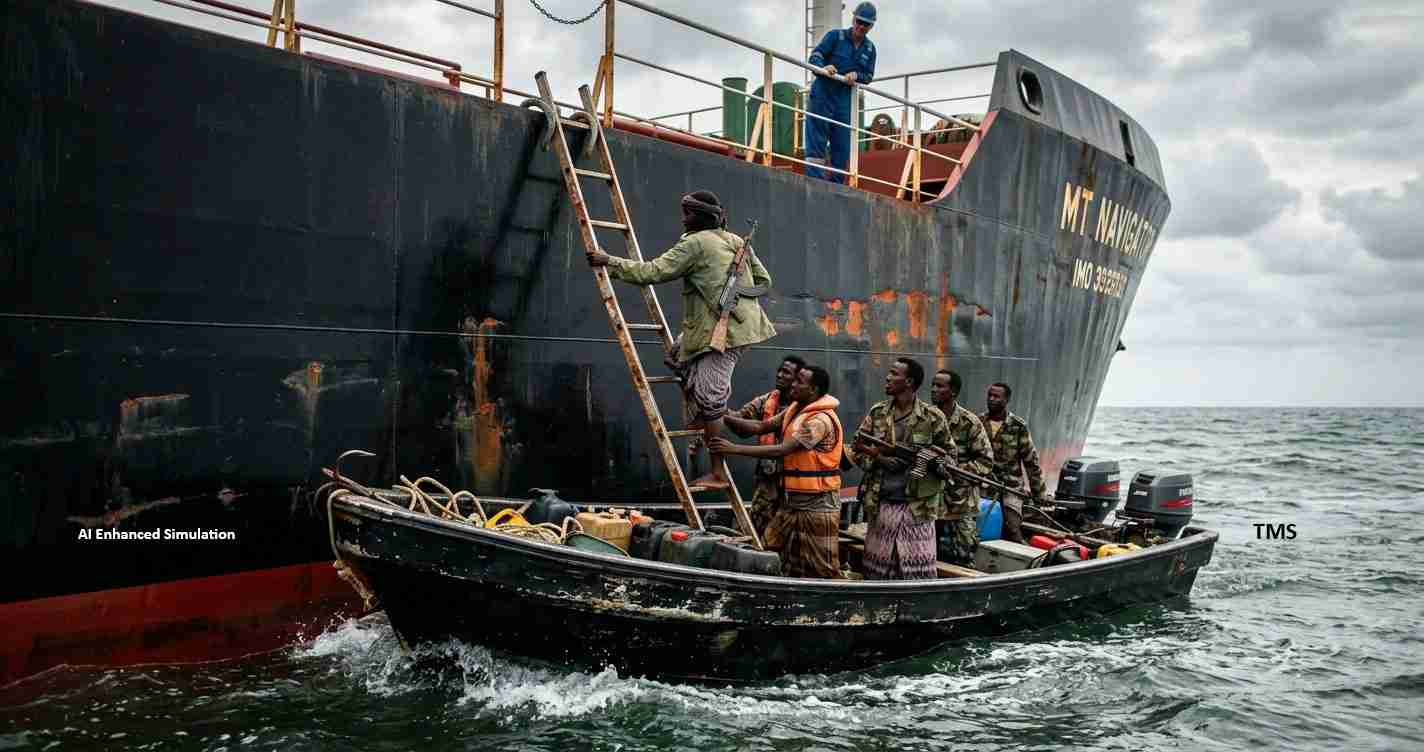
Surge in Somali piracy fuels fears of a Red Sea security vacuum as analysts warn of new Houthi-Somali alliance
Lede: A resurgence of Somali piracy is alarming global shipping as analysts warn of a potential Iran‑backed Houthi–Somali alliance exploiting a Red Sea security vacuum. Multiple hijackings since late April threaten vital oil trade routes off Somalia and Yemen.
Key takeaways
- Multiple hijackings and attempted attacks since April 21 signal a revived Somali piracy campaign tied to Houthi-linked forces.
- Analysts warn of a possible transactional alliance: Houthis supplying surveillance/GPS, Somali groups supplying skiffs and fighters.
- Security vacuum in the Red Sea and redeployment of international navies have created opportunities for attackers.
- Local impacts: higher insurance, rerouting of ships and potential ripple effects to places like Sonoma, California.
What happened: a timeline of recent attacks
Beginning April 21, a string of seizures and attempted hijackings drew international attention. A Somali-flagged fishing boat and the Palau-flagged tanker Honour 25 (IMO 1099735) were reported taken that day. Between April 25–26 a dhow and the merchant vessel Sward were redirected to anchorage at Garacad. On May 2, Yemen’s coast guard reported armed men boarded and steered the oil tanker MT Eureka off Shabwa toward the Gulf of Aden; recovery efforts were reported underway by Reuters.
These incidents follow a pattern not seen in years — a return to the “Somali model” where fast skiffs and armed boarding teams seize merchant ships and demand ransom.
Analysts: a transactional Houthi–Somali alliance?
Ido Shalev, chief operating officer at RTCOM Defense and a former Israeli naval officer, described a “transactional collaboration” in which Houthi forces provide geopolitical cover, surveillance and GPS guidance while Somali groups supply skiffs and fighters to board ships. Shalev warned this pairing creates a more capable maritime threat than prior piracy waves.
“The pairing gives local pirate groups coordination and technology they lacked during earlier waves of piracy,” Shalev said, noting hijackers now target vessels and cargoes worth tens of millions when oil is aboard.
This assessment and analyst commentary were reported by Fox News and compiled in regional coverage.
Contributing factors behind the surge
Multiple drivers appear to have created a perfect storm for renewed maritime crime:
- Naval redeployments and distractions: International naval forces have been redirected to counter Houthi attacks in the Red Sea and around Yemen, leaving waters off Somalia more thinly patrolled. Observers including David Willima of the Institute for Security Studies link the rise to such redeployments (reported by ModernGhana).
- Shipping reroutes: Vessels avoiding the Suez and narrow straits increase traffic around the Horn of Africa and the Gulf of Aden — historic piracy hotspots.
- Saudi oil diversions: Movement of crude via the East‑West pipeline to Red Sea ports increases tankers and valuable cargo moving near Somali waters.
- High oil prices: Brent’s recent rise raises the value of cargos, increasing potential ransom payoffs.
- Historical resilience: Piracy peaked in 2008–2013; strong patrols and ship defenses reduced attacks, but the late‑2023 and 2024 shifts in regional conflict have reopened vulnerabilities (background: Somali piracy).
Risk assessments and maritime responses
Maritime risk monitors, including Windward AI and UKMTO, upgraded threat levels to “substantial” following the April incidents. Ship operators and insurers reacted: reinsurance and war‑risk premiums are rising, operators reroute around the Cape of Good Hope, and many increase onboard defenses or hire security teams.
Analyst recommendations: Shalev and others argue patrols alone are insufficient. They advocate proactive surveillance — combining coastal radar, satellite and aerial assets — similar to Nigeria’s Falcon Eye project, to enable early detection and preemptive interdiction before attackers can board ships.
Sources and verification
Reporting on the surge draws on regional news coverage, maritime monitors and video briefings. Key sources in this report include:
- Fox News — reporting and analyst comments.
- ModernGhana — regional incident compilation.
- Video briefing — on redeployments and shipping impacts.
- StreamlineFeed — aggregated regional coverage.
- Wikipedia — background on piracy off Somalia.
- Reuters — reporting on the May 2 MT Eureka incident and recovery efforts (cited in regional coverage).
Implications for Sonoma, California
Although thousands of miles away, Sonoma County can feel effects from a spike in maritime risk through several channels:
- Fuel and consumer costs: Disruptions in major oil trade routes can push global prices higher, affecting gasoline and heating costs locally.
- Wine and export logistics: Higher shipping insurance and reroutes can increase export costs for Sonoma wineries and slow import of supplies, affecting margins and schedules.
- Local business and tourism: Rising travel costs and reduced disposable income can hurt hotels, restaurants and tasting rooms.
- Financial and insurance exposure: Increased maritime insurance premiums may raise costs for businesses reliant on imported goods.
- Public policy and planning: Local leaders and industry groups may track maritime advisories and encourage supply‑chain diversification and contingency planning.
Final note
As the situation evolves, shipping companies, mariners and authorities continue to monitor UKMTO and maritime intelligence providers. Recovery and interdiction efforts remain underway, and stakeholders are watching for further coordination between Houthi‑linked forces and Somali groups.