New FDD report raises alarm over Iran chemical weapons program; alleges use against protesters during 2025-26 uprising
A February 2026 FDD report by Andrea Stricker alleges Iran operated an undisclosed chemical-weapons program and may have used chemical agents against protesters during the December 2025–January 2026 uprising, prompting calls for OPCW and allied investigations.
Key takeaways
- FDD report argues Iran’s opaque chemical program received less attention than its nuclear work and may have been used against protesters during the December 2025–January 2026 unrest.
- Investigations urged: the paper calls on the United States, allies and the OPCW to investigate credible claims of chemical use and pursue forensic follow-up.
- Policy options: FDD recommends public pressure, monitoring and, if necessary, targeted strikes on research and production facilities (Countering Iran’s Covert Chemical Weapons Program).
- Coverage and debate: reporting and commentary have appeared in outlets including Fox News and AOL.
What the FDD report alleges
The paper by Andrea Stricker contends Iranian security forces used agents “more harmful than standard tear gas” during crackdowns in January 2026. The report links observed symptoms among some protesters to potentially weaponized chemical agents and stresses these claims remain unproven in open public forums, calling for forensic and diplomatic follow-up.
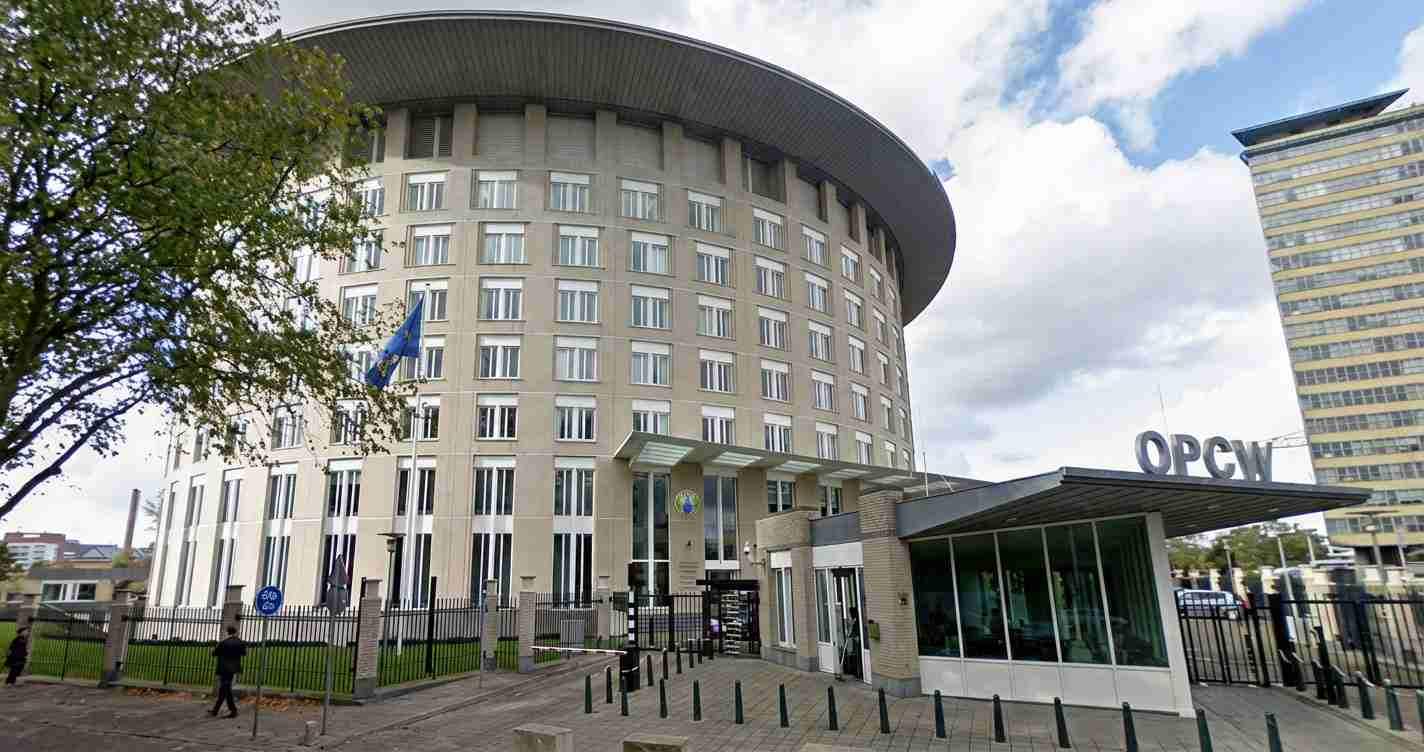
Andrea Stricker: “The United States, its allies and the Organization for the Prohibition of Chemical Weapons (OPCW) should investigate credible claims that Iran’s regime used chemical weapons against its own people.”
The report cites appeals from more than 30 human rights groups and a January 22, 2026 European Parliament resolution urging the United Nations and the OPCW to investigate alleged chemical use. See the full FDD report for details and evidence summaries.
Historical background and Iran’s reported program
The report traces Iran’s chemical efforts to the 1980s, noting U.S. intelligence warnings that Iran began an illicit chemical program in 1983 during the Iran–Iraq War as a response to Saddam Hussein’s chemical attacks. The Chemical Weapons Convention (CWC), which Iran has ratified, prohibits development, stockpiling, production, use, transfer or receipt of chemical weapons.
Recent scrutiny centers on Tehran’s reported experimentation with agents, including weaponized pharmaceutical products, and on sites alleged to support research. The report highlights the Shahid Meisami Research Complex, struck by Israel in June 2025, which some analysts tie to chemical research and transfers to regional proxies.
Allegations of transfers to proxies
FDD and related reporting raise concerns Iran may have shared banned materials with allies, including Syria and Iraqi Shia militias. Diplomats reportedly discussed such concerns at the OPCW in mid-2025; Israel’s deputy ambassador raised transfer-related issues at an OPCW meeting in July 2025, according to press summaries (Fox News).
Calls for investigations and policy options
FDD recommends a layered approach: diplomatic pressure, public exposure of violations, inspections and verification, and enhanced monitoring. The group also argues that if diplomacy stalls or attacks on U.S. or allied interests continue, limited strikes on identified chemical research and production facilities should be considered to halt development and deter use. See FDD policy options for specifics.
Those recommended military options mirror broader public debates about whether stalled diplomacy—especially on Iran’s nuclear program—could lead to force, which would in turn magnify scrutiny of Iran’s chemical capabilities (press summary).
International response so far
As of February 2026 there is no publicly confirmed OPCW investigation explicitly tied to the FDD allegations. Human-rights groups and members of the European Parliament have urged action, and reporting has appeared in major outlets including Fox News and AOL.
About the authors and institutions
The report was produced by the FDD’s Iran Program, led by Mark Dubowitz. Andrea Stricker, deputy director of FDD’s nonproliferation program, authored the February 2026 report. Related FDD analysis includes “Countering Iran’s Covert Chemical Weapons Program” and other policy pieces listed below.
Broader geopolitical context
The chemical-weapons allegations arrive amid ongoing diplomatic work on Iran’s nuclear program—reporting references indirect talks in Geneva via Oman-mediated channels—and rising military signaling. The U.S. has increased naval presence in the Persian Gulf, including deployments intended to deter escalation (coverage).
Implications for Sonoma, California
Economic impact: Sonoma’s wine economy depends on international tourism and shipping; heightened Middle East tensions and the prospect of military strikes can raise oil and shipping costs, squeezing local wineries and hospitality businesses.
Political consequences: Sonoma’s civically engaged residents may organize town halls, rallies or constituent campaigns urging investigations and diplomatic accountability.
Social effects: Local Iranian-American and diaspora communities may hold vigils or protests; first responders and public-health officials should be prepared for community stress and solidarity events.
Cultural relevance & practical steps: Sonoma universities, civic groups and faith organizations may host forums on the CWC and arms-control norms. Emergency services and hospitals should review chemical-exposure guidance and communication plans; local governments can prepare to counter misinformation and support community dialogue (FDD; Fox News).
Sources and further reading
- FDD, “Did Iran Use Chemical Weapons on Protesters?” by Andrea Stricker, Feb. 13, 2026
- FDD, “Countering Iran’s Covert Chemical Weapons Program,” Feb. 13, 2026
- FDD Iran program overview
- FDD topic: Iran
- Fox News reporting summarizing FDD findings
- AOL coverage
Conclusion
This developing story raises urgent questions about treaty compliance, civilian safety and the balance between diplomacy and deterrence. The FDD report has returned Iran’s chemical-weapons program to the center of debate as governments, international bodies and rights groups consider next steps.