Bears edging toward Indiana: Indiana lawmakers approve stadium authority as Hammond Wolf Lake site advances Bears Relocation Talks
Indiana lawmakers unanimously approved creating a Northwest Indiana Stadium Authority to facilitate financing for a potential Chicago Bears stadium near Wolf Lake in Hammond, advancing relocation talks and prompting competing efforts from Illinois officials and local leaders.
- Indiana House Ways and Means Committee approved (24-0) an amendment to Senate Bill 27 creating a Northwest Indiana Stadium Authority to help finance a potential Bears stadium near Wolf Lake.
- The amendment would allow the authority to issue bonds, acquire land and fund construction on an 804-acre site along I‑90.
- The Bears have signaled a $2 billion commitment to the Wolf Lake site, though no final deal exists.
What lawmakers approved and what it would allow
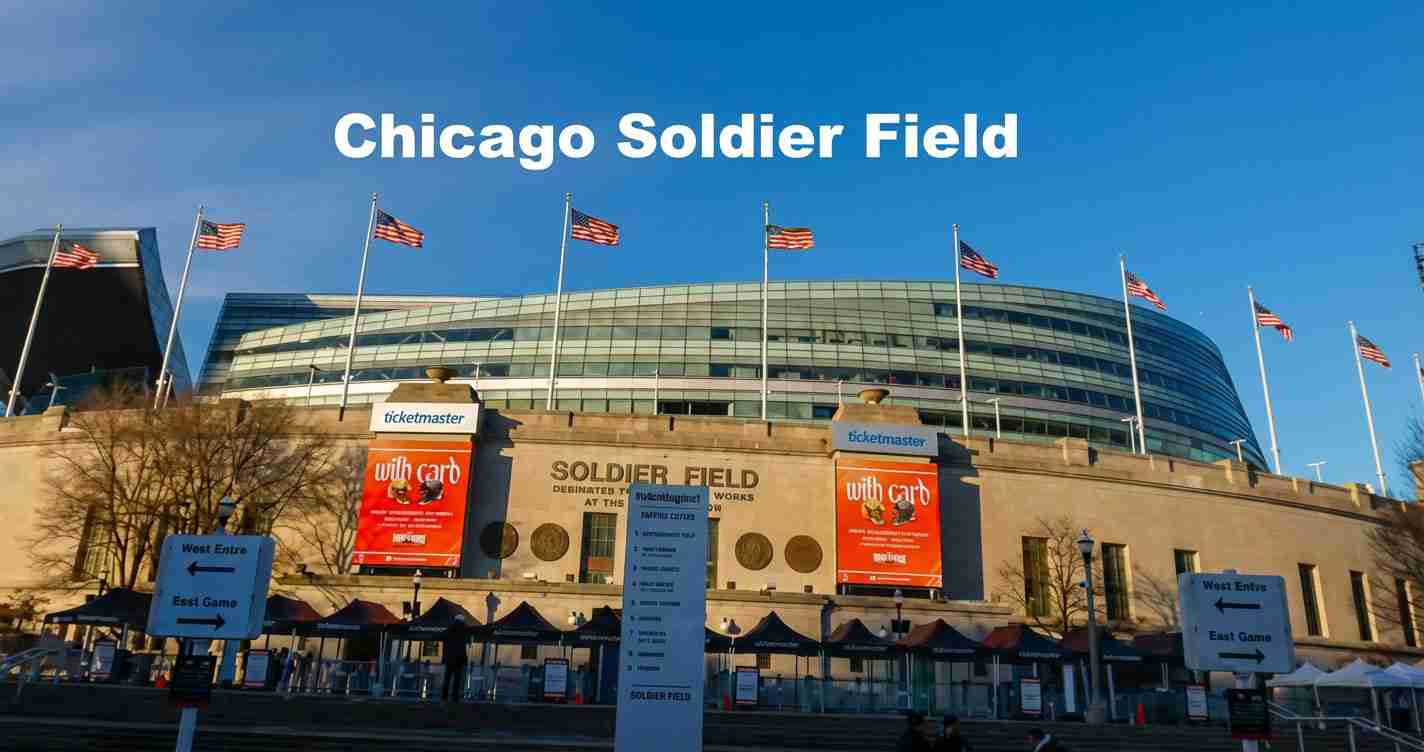
The amendment to SB 27 creates a public entity — the Northwest Indiana Stadium Authority — charged with raising and spending money for a possible stadium near Hammond’s Wolf Lake area. The authority could sell bonds, purchase land and finance construction for a domed stadium planned on roughly 804 acres that straddles the Illinois‑Indiana border near Interstate 90, about 25 minutes from Soldier Field (CBS Chicago).
State leadership and the Bears’ commitment
House Speaker Todd Huston called the plan “a transformational investment for northwest Indiana” and relayed that the Bears are willing to invest $2 billion in the site. Indiana Gov. Mike Braun described the amendment as a framework for negotiations, emphasizing due diligence rather than a finished transaction (ESPN; Capitol News Illinois).
Bears’ stance and Illinois countermoves
The Bears said passage of the amendment would be “the most meaningful step forward in our stadium planning efforts to date” for a world‑class venue near Wolf Lake, but both team and state officials caution the process remains unsettled (CBS Chicago).
Meanwhile, Illinois officials held a three‑hour, “very positive” meeting with Bears negotiators and produced draft bill language; the team later asked for a pause to tweak that proposal. Gov. JB Pritzker‘s office said it was surprised by Indiana’s public announcement, and canceled a Revenue and Finance Committee hearing the same day as Indiana’s committee vote (Capitol News Illinois).
A look back: similar attempts and stakes
Indiana previously courted the Bears in 1995 with the proposed “Planet Park” complex in Gary, which failed after Lake County voters rejected an income tax to fund the plan. The Wolf Lake proposal revives a long‑standing interest in a cross‑border site that aims to capture Chicago‑area fans while sitting on Indiana soil (CBS Chicago).
Practical constraints and lingering obstacles
Significant steps remain: the bill must pass both Indiana legislative chambers and be signed by the governor; the site requires environmental and infrastructure studies; and legal reviews will examine tax, land‑use and cross‑border issues. Gov. Braun framed the vote as the start of due diligence, not a concluded deal (ESPN; NFL.com).
Local voices and political heat
Hammond Mayor Thomas McDermott called the opportunity “once‑in‑a‑generation,” and Lake County officials highlighted the area’s strong fan base and economic potential. Illinois local leaders expressed alarm; one Rolling Meadows official said the Indiana push shows the Bears are serious and Illinois needs to act. On the political stage, former Gov. Rod Blagojevich criticized Gov. Pritzker for being “outplayed and outflanked.”
Financial realities for the Bears and Chicago
The Bears’ lease at Soldier Field runs through 2033, and the team still carries more than $500 million in debt from the 2003 renovation. Those facts shape timing: even with site approval, construction and transition could take years. The team has said it would pay roughly $2 billion toward a new stadium, but public contributions and tax incentives remain central political questions (CBS Chicago; ESPN).
Where this leaves the Bears Relocation Talks
Indiana’s committee vote is a major procedural step that gives the state legal tools to pursue stadium financing near Wolf Lake — a key move in the Bears Relocation Talks. Yet it remains a high‑stakes negotiation that will test public appetite for subsidies, cross‑state competition, environmental reviews and the logistics of financing a multibillion‑dollar venue (NFL.com).
Implications for Sonoma, California
Though geographically distant, the episode carries local lessons for Sonoma residents:
- Economic impact: Franchise moves affect national sponsorships, media contracts and tourism flows, which can subtly shift demand for local businesses that sell licensed merchandise or run fan travel packages.
- Political consequences: The Indiana‑Illinois contest illustrates how state leaders can act quickly when major private firms signal interest — a dynamic California officials and Sonoma leaders may watch when weighing incentives.
- Social and cultural effects: Local fan clubs, watch parties and community groups may see changing patterns in attendance and coverage as the national conversation evolves.
Practical applications for residents
Sonoma residents and small businesses should monitor national scheduling and partnership trends, review sponsorship agreements, and consider how public financing debates elsewhere reflect local priorities about public spending and transparency.
Sources and reporting
This article draws on reporting from: