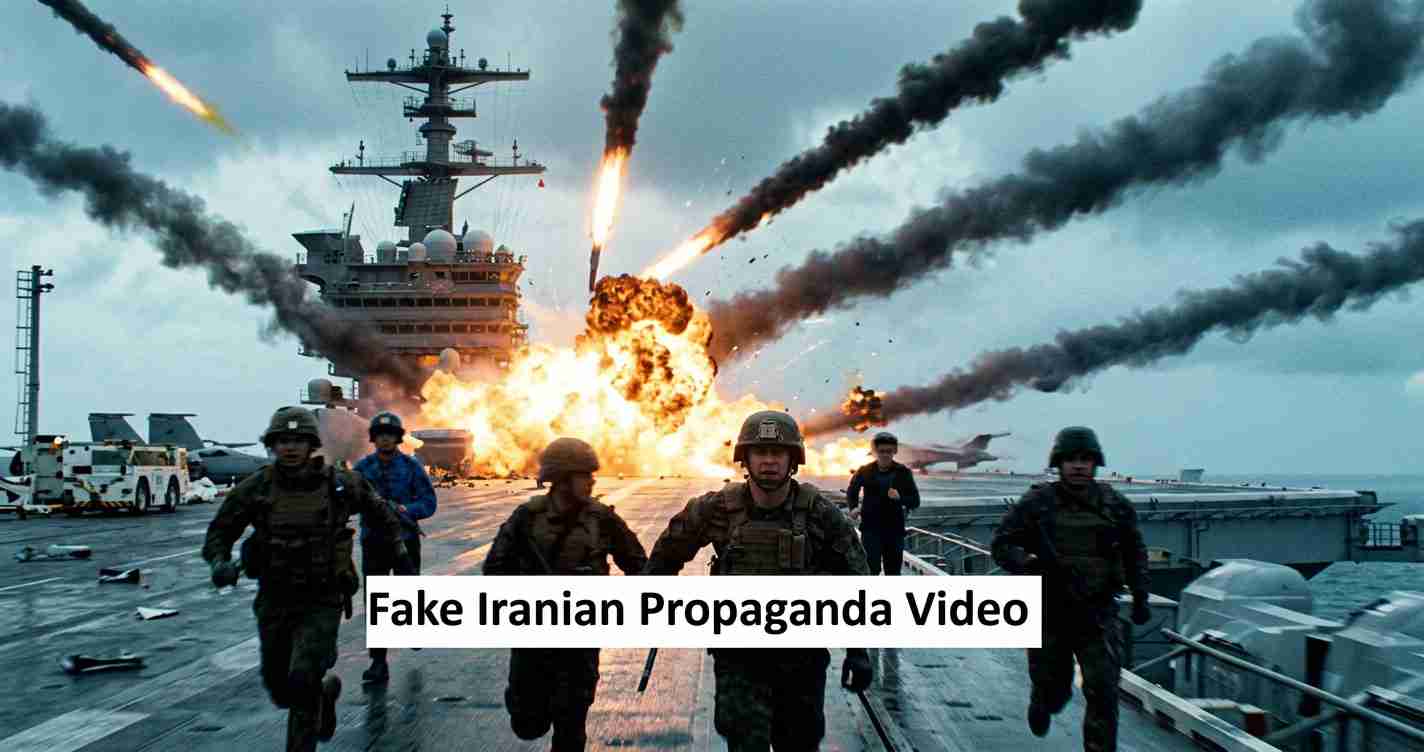
Former CISA Acting Director Warns Iran Is Using AI to Push ‘War Deception’; Experts Flag AI-manipulated Images of New Supreme Leader
Bridget Bean, former CISA acting director, warned Iran is using sophisticated AI-generated and subtly altered images to create deceptive narratives of battlefield success, aiming to weaken U.S. and allied resolve through plausible-looking content spread online.
- Former CISA official alert: Bridget Bean says Tehran uses AI-generated and lightly altered real imagery to push a false narrative of military success.
- Specific example flagged: State outlets circulated edited images of Mojtaba Khamenei that analysts say show signs of online AI editing.
- Public evidence limited: Independent verification of a coordinated, large-scale Iranian AI deception campaign remains sparse in open sources.
- Practical local risks: Disinformation can affect tourism, civic trust, and community well-being in places like Sonoma, California.
Overview
What happened: Bridget Bean, who served as acting director at the U.S. Cybersecurity and Infrastructure Security Agency (CISA), discussed on The Ingraham Angle how Iran is reportedly using AI-generated and lightly edited real images and video to create a “global narrative” of battlefield success and to erode international resolve.
What Bean said on Fox News — and why it matters
On the program, Bean framed the activity as deliberate “war deception.” She told host Laura Ingraham that Tehran’s goal is to manufacture a narrative of success it does not have on the battlefield:
“They can’t win on the battlefield, so they’re going to try and win through AI and through a global narrative.”
Bean emphasized the psychological aim: to “weaken our will, our resolve and to really push a narrative that is not true.” She warned the manipulations are now subtle enough to pass a quick visual check on a phone, moving beyond early AI flaws like distorted faces or obvious lip-sync errors.
The Khamenei images and media verification
Reporting pointed to images of Mojtaba Khamenei that state outlets and social accounts circulated after claims he was too injured for public appearances. A BBC Verify journalist, Shayan Sardarizadeh, noted signs of online AI editing in those photos; that observation was summarized in a secondary report. The published images illustrate the tactic Bean described: modest, targeted edits to real photos that look authentic on quick inspection.
Limits of public evidence
Public reporting on Bean’s warning and the edited Khamenei photos primarily cites the Fox News interview and the secondary coverage of the images. Open-source confirmation of a broad, coordinated Iranian AI deception campaign remains limited. Readers should treat the claim as a credible warning informed by a former CISA official’s expertise, while recognizing that independent verification of the campaign’s full scope is incomplete.
How AI-manipulated images are being used — and how to spot them
Experts say current tactics favor slight, targeted edits — smoothing features, adjusting lighting, inserting small facial movements, or minor retouching that “pass the gut test” on small screens. These edits are designed to feel right on quick viewing and thus spread quickly.
Tips to detect possible AI-manipulated images and videos:
- Check multiple reputable sources — if only state outlets or a single account publish a dramatic image, seek confirmation from independent media.
- Use platform tools — look for content labels or fact-check links provided by social platforms.
- Reverse image search — upload the photo to find earlier versions or original sources.
- Look for inconsistencies — odd shadows, blurred edges, mismatched reflections, or unusual face texture are warning signs.
- Slow playback — in video, watch for odd lip sync, unnatural blinking, or frame jumps.
- Trust but verify: pause before sharing content that provokes a strong emotional reaction and confirm with reliable outlets.
Practical newsroom advice: strengthen verification routines, assign staff to reverse-image checks and metadata analysis, and use journalistic networks to confirm sensitive reports before publication.
Implications for Sonoma, California
Economic impact: Sonoma County’s tourism and hospitality sectors could see short-term effects if viral disinformation increases perceptions of instability, leading to cancellations or reduced travel.
Political consequences: A steady stream of manipulated content can influence local political conversations, erode trust in institutions, and affect turnout for civic processes.
Social effects: Sonoma’s diverse communities, including residents with ties abroad, may experience heightened anxiety when false or altered international imagery circulates.
Cultural relevance: Trusted local outlets, public radio, community organizations, and civic leaders play a crucial role countering false narratives by providing verified information quickly.
Practical applications for Sonoma residents
- Verify before sharing: check whether mainstream U.S. and international outlets have confirmed a dramatic image or claim.
- Follow local sources: county and city communications offices can clarify whether national events affect local services or safety.
- Attend briefings: schools, libraries, and civic centers can host short workshops on basic verification skills.
- Support local journalism: subscribing to and sharing reliable local reporting ensures fact-checked information circulates.
Sources and further reading
Fox News interview: Fox News video of Bridget Bean on The Ingraham Angle
Summary of edited images and BBC Verify note: Report summarizing edited images and BBC Verify comment