Iran’s strike campaign in Strait of Hormuz squeezes “shadow fleet,” threatens Russia war financing and China’s discounted oil
Lede: Iran’s recent strike campaign in the Strait of Hormuz is disrupting the global ‘shadow fleet,’ raising insurance and transport costs, squeezing Russia’s war‑funding channels and China’s discounted oil supplies while prompting tougher Western interdiction measures.
Key takeaways
- Transit squeeze: Tanker transits through Hormuz have sharply fallen, driving up war‑risk insurance and freight costs.
- Shadow fleet under pressure: Iran’s militarized posture plus stepped‑up Western interdiction increases both physical and detection risk for gray‑market tankers.
- Economic ripple effects: Higher logistics costs threaten Russia’s export receipts, China’s access to discounted crude and Cuba’s fuel lifeline.
- Local impacts: Sonoma, CA could face higher fuel and commodity costs, prompting resilience and policy responses.
What’s happening in the Strait of Hormuz now
Iran has not issued a formal legal closure of the Strait, but IRGC rhetoric and reported threats have treated Hormuz as a de facto war zone. Officials warn of missile, drone or fire attacks, and reporting of strikes on commercial tankers and mine‑laying fears
have led many ship operators to delay or avoid transits while insurers reprice risk. See Economic Times coverage of Iranian statements on Hormuz and maritime reporting and footage of shipping behavior.
How the conflict hits the shadow fleet
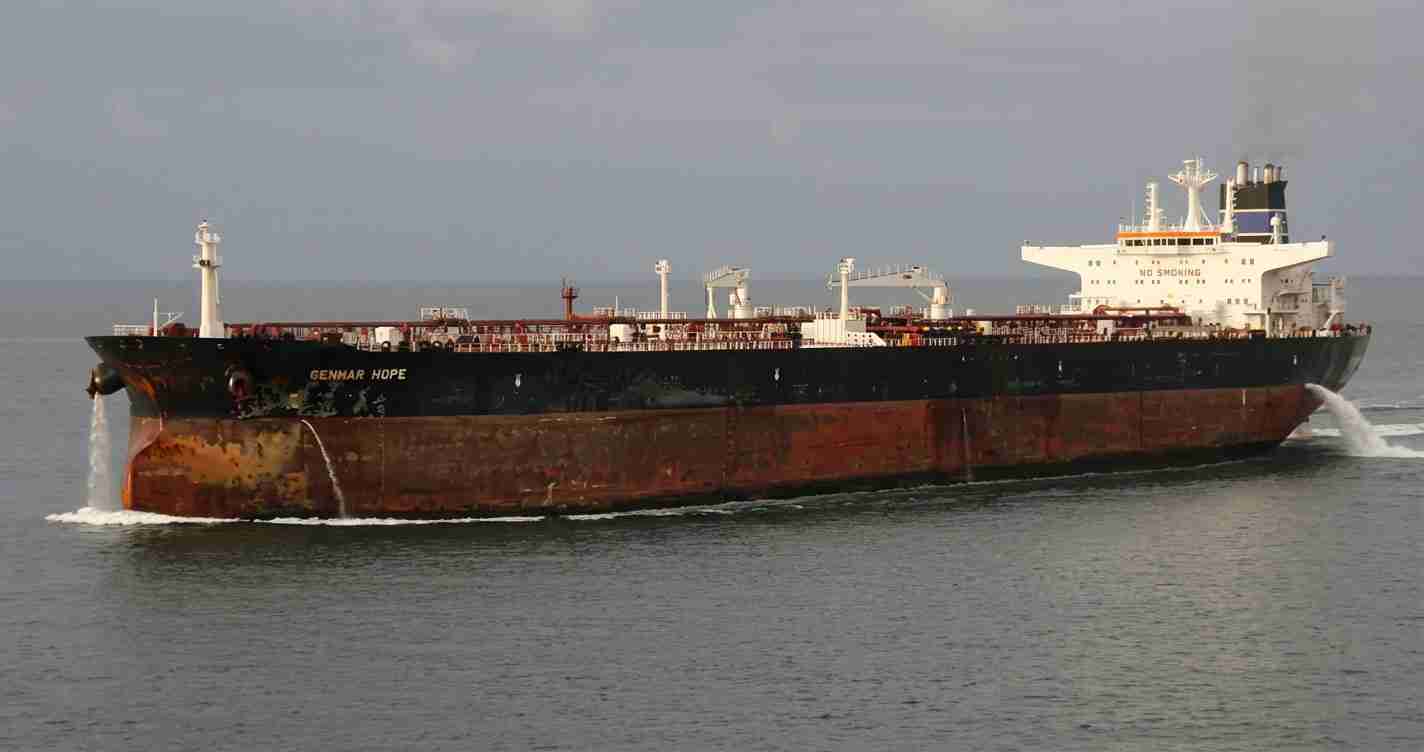
The “shadow fleet” — tankers with obscure ownership, shifting flags and limited western insurance — underpins sanctions‑evasion for Iran, Russia and other actors. Tehran’s campaign raises operational risk in two principal ways:
Physical risk
Iran’s use of drones and missiles in the Gulf and Gulf of Oman has made all commercial shipping more vulnerable. U.S. and allied strikes on Iranian vessels tied to drone operations, plus reported damage and sinkings of Tehran‑linked craft, reduce safe operating space for gray‑market tankers that previously relied on local protection.
Detection and interdiction risk
Increased naval presence, ISR (intelligence, surveillance, reconnaissance) and allied coordination raise the chance that clandestine transfers, AIS‑dark behavior and irregular ship‑to‑ship operations will be spotted and interdicted by partner navies and law enforcement.
Western enforcement and the MT Ethera interdiction
Western partners have ramped up actions against suspect vessels linked to sanctions evasion. Belgian authorities reportedly intercepted MT Ethera in the North Sea and escorted it to Zeebrugge under an operation described in maritime trade media as “Operation Blue Intruder.” Such operations, even far from the Persian Gulf, demonstrate allies are willing to intercept shadow‑fleet routes across oceans.
The Urals price cap and pressure on Russia’s export math
The G7/EU Urals price cap, recently set near ~$44/barrel, limits services that enable seaborne Russian crude sales. Moscow has sought workarounds via opaque routing, alternative insurers and shadow tanker networks. But rising transport and war‑risk premiums plus greater interdiction compress margins, reducing net export receipts and complicating war financing if sustained.
Impacts on China’s energy strategy and supply chains
China is a major buyer of discounted Iranian and Russian crude. The stress on shadow‑fleet logistics raises landed costs through:
- Higher freight and insurance premiums as shippers price in war risk;
- Delays and reroutes that increase voyage time and expense;
- Seizure or loss of vessels forcing buyers to seek alternative cargoes.
The upshot: less certain access to cheap barrels, potential inflationary pressure for energy‑intensive industries and longer‑term logistics challenges for China.
Cuba and other shadow‑dependent states feel the squeeze
Cuba has increasingly relied on Iranian and Russian shipments routed through gray channels. A de facto U.S. naval quarantine and warnings to third parties raise the odds of delays, diversions and higher premiums. Similar operational headaches affect Syria, Venezuela and other partners that use shadow shipments.
Military dimension: U.S. and allied targeting at sea
U.S. Central Command has publicized strikes on Iranian vessels tied to drone operations and reported losses of Tehran‑linked craft. Military pressure reduces Iran’s ability to protect commercial proxies and complicates efforts to sustain a shadow export apparatus through contested waters.
Who loses and who pays
- Russia: Tighter enforcement and higher logistics costs shrink net oil revenue and complicate war financing.
- China: Reduced access to cheap Iranian and Russian barrels raises energy costs and could ripple through industry and inflation.
- Smaller partners (Cuba, Syria, Venezuela): Fuel shortages, higher prices and supply uncertainty as intermediaries shy away from high‑risk trades.
Implications for Sonoma, California
Economic impact
Sonoma residents and businesses could face higher gasoline, diesel and energy bills if global disruptions push U.S. and regional fuel prices upward. Agriculture and wine production are fuel‑intensive; higher fuel costs would raise operating expenses for vineyards, trucking and cold storage.
Political and civic effects
Expect local attention on energy security, calls for preparedness, and debates over short‑term relief for small businesses versus longer‑term investments in resilience such as electrification and microgrids.
Social effects
Higher energy and food prices disproportionately hit lower‑ and middle‑income households. Service workers and agricultural laborers could feel immediate strain; nonprofits and public services may face greater demand and rising operating costs.
Cultural and practical relevance
Wine tourism and related supply chains may see higher transport and input costs. The situation could accelerate local moves toward renewables, storage and fuel‑saving practices in agriculture, aligning with Sonoma’s resilience goals.
Practical steps for residents and businesses
- Fuel planning: Review fuel contracts, hedges and encourage carpooling, telework and transit where possible.
- Energy investments: Consider incentives for solar, battery storage and electrifying farm equipment.
- Civic dialogue: Open forums on emergency fuel reserves, small business support and targeted relief for vulnerable residents.
Sources and reporting notes
Reporting and maritime data used in this article include Economic Times coverage of Iranian statements on Hormuz, maritime reporting and footage of shipping behavior, and the broader conflict context and military reporting summarized in public sources. Maritime trade outlets such as gCaptain and regional defense briefings reported on MT Ethera and Operation Blue Intruder; CENTCOM reporting has been cited for strikes on Iran‑linked vessels.