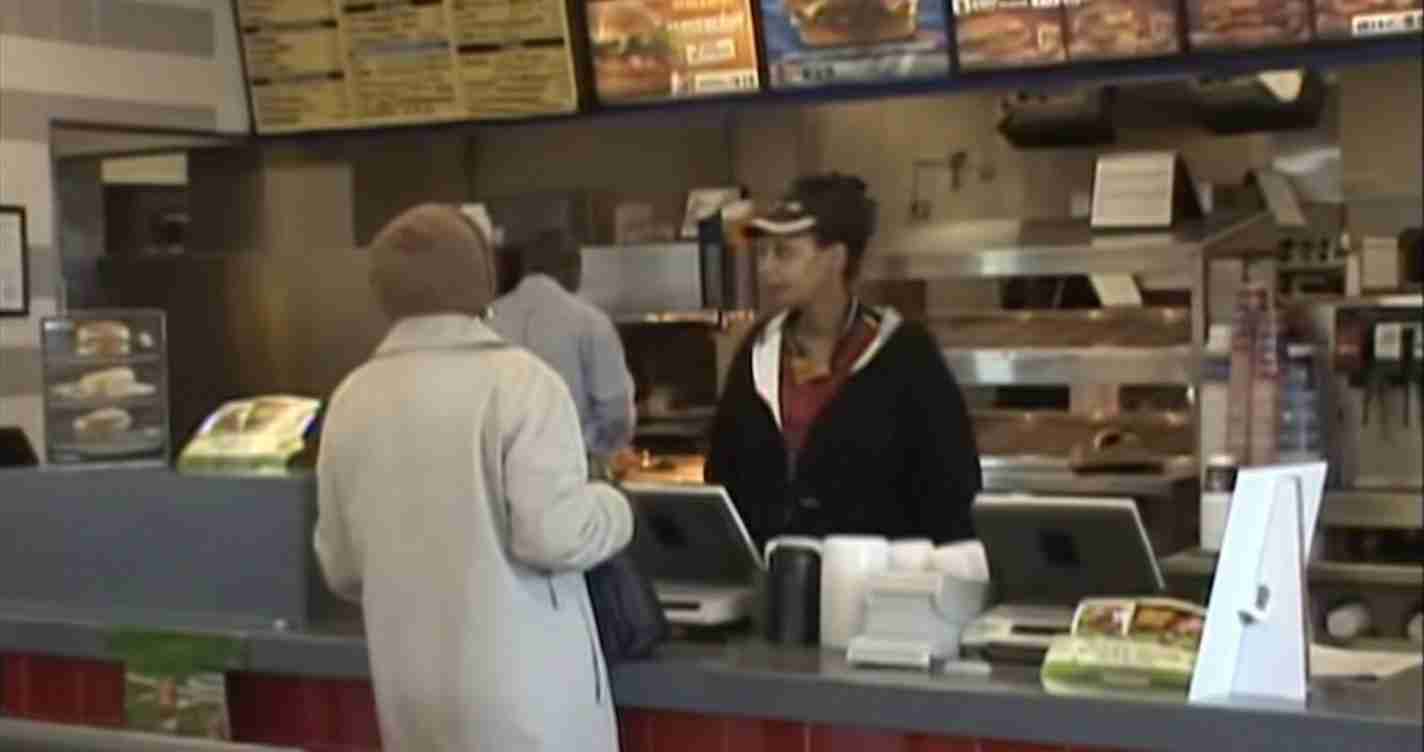
Burger King’s “Patty” listens at the drive‑thru — a manners coach or a new form of workplace monitoring?
Burger King has deployed “Patty,” an OpenAI‑powered voice assistant in employee headsets at hundreds of U.S. drive‑thrus to coach politeness, answer operational questions, monitor inventory and compile aggregated reports for managers to improve service and efficiency.
- Patty listens to headset interactions to identify polite phrases, answer staff questions and generate aggregated reports for location managers.
- Operational impact: inventory flags, equipment alerts and menu updates (reportedly influenced the return of apple pie).
- Rollout: tested in ~100 sites in 2025, expanded to ~500, with broader national targets within one to two years.
- Debate: company frames Patty as coaching; labor advocates warn it could become invasive monitoring without clear guardrails.
How Patty works — manners coach, kitchen helper, data tool
Patty sits inside employee headsets and listens from the moment a car pulls up until it leaves. The software searches for key phrases tied to polite service — welcome greetings and words like “please” and “thank you” — and records occurrences at the location level. When signals appear (or do not), Patty compiles aggregated reports so managers can track trends over time and coach teams accordingly. (Sources: Fox News; The Jerusalem Post).
Beyond manners, Patty functions as a real‑time operations assistant. Employees can ask recipe or cleaning instructions, and the assistant can flag inventory shortages, alert managers to equipment problems, and push updates to digital menus and apps within minutes. The system also tracks how often staff tell customers an item is unavailable — data that has already influenced menu decisions. (Sources: MediaPost; Fox News).
Company framing and technical limits
Burger King emphasizes that Patty is a coaching tool intended to reinforce hospitality and reduce training guesswork in a high‑turnover industry. Executives say the system does not record every conversation in full or assign scores to individual workers, focusing instead on aggregated, location‑level insights for managerial coaching. (Sources: Fox News; The Jerusalem Post).
“It’s meant to be a training and hospitality tool,” company representatives say, while independent observers caution that aggregated data could be repurposed for tighter oversight if policies change.
Rollout, scale and industry context
Burger King began testing Patty in about 100 U.S. restaurants in 2025, expanded to roughly 500 locations, and has set targets for broader rollouts — with timelines ranging from nationwide deployment by the end of 2025 to expansion across thousands of North American stores by 2026. (Sources: Fox News; The Jerusalem Post).
The wider fast‑food sector is experimenting with AI — rivals including Wendy’s, Taco Bell, McDonald’s, Pizza Hut and KFC have tested features for automated ordering, drive‑thru speed and kitchen efficiency. Results vary: some customers report faster service, others note order errors and robotic glitches. Burger King’s approach is distinct because Patty focuses on employee behavior as much as customer convenience. (Sources: Fox News; The Jerusalem Post).
Examples of operational impact
Patty’s tracking of inventory mentions and out‑of‑stock reports has already shaped menu decisions. Reporting indicates data showing frequent staff mentions of missing items helped prompt the return of apple pie after its removal in 2020. The assistant can also update digital menus and apps — changes can appear in about 15 minutes — reducing customer frustration from unavailable items. (Sources: MediaPost; Fox News).
Concerns from workers and labor advocates
Labor groups and some workers express skepticism. Critics warn Patty could increase pressure in already high‑stress jobs and function as a “digital hall monitor” that ignores context — rude customers, busy shifts or equipment failures. Advocates urge clear limits on what data is collected, retention periods, disciplinary use, and robust privacy protections. (Sources: Fox News; MediaPost).
Lauren McFerran of the AFL‑CIO has warned such systems can dehumanize jobs unless clear guardrails are implemented.
Privacy, transparency and technical questions
Burger King’s assurances that Patty does not record every conversation may ease some concerns, but questions remain about transparency: how data is aggregated, who can access it, whether it could be repurposed for individual scoring or tone analysis, and how long records are kept. Some reports suggest future features could add tone detection with context awareness — which might reduce false flags but also enable more detailed monitoring. (Sources: The Jerusalem Post; HCA Magazine).
The wider debate: coaching vs. monitoring
The rollout spotlights a broader tension in service industries already shaped by cameras, sensors and analytics: when does useful coaching become invasive surveillance? Company leaders stress training and smoother operations; labor advocates emphasize outcomes over intent. If data drives unrealistic targets or disciplinary action, workplace dynamics could change sharply. Supporters argue AI coaching shortens training, reduces mistakes and improves consistency; opponents ask for limits and worker protections to preserve dignity and fairness. (Sources: Fox News; The Jerusalem Post).
Implications for Sonoma, California
Economic impact: Patty’s rollout could improve drive‑thru throughput and reduce menu gaps, potentially boosting peak‑hour sales and customer satisfaction for Sonoma County franchisees. (Source: MediaPost).
Job and labor effects: Local workers may gain quick operational guidance that lowers stress, but some may feel constant oversight. Local advocates and business owners should negotiate transparent policies on data use and discipline. (Sources: Fox News; MediaPost).
Customer experience and tourism: As a wine‑tourism destination, Sonoma needs authentic hospitality; Patty’s emphasis on politeness could improve perceived warmth, but over‑scripted interactions might feel less personal to visitors. (Sources: The Jerusalem Post; Fox News).
Regulatory and community considerations: California’s strong worker privacy traditions mean Sonoma officials and business groups may press for employer transparency: clear signage, staff briefings, documented policies on data retention, access and disciplinary use. The rollout could prompt local review of AI and worker protections. (Sources: HCA Magazine; MediaPost).
Operational ripple effects for local suppliers: If Patty’s inventory alerts reduce stockouts, local distributors serving Sonoma restaurants may see steadier ordering patterns and fewer last‑minute shortages. (Source: Fox News).