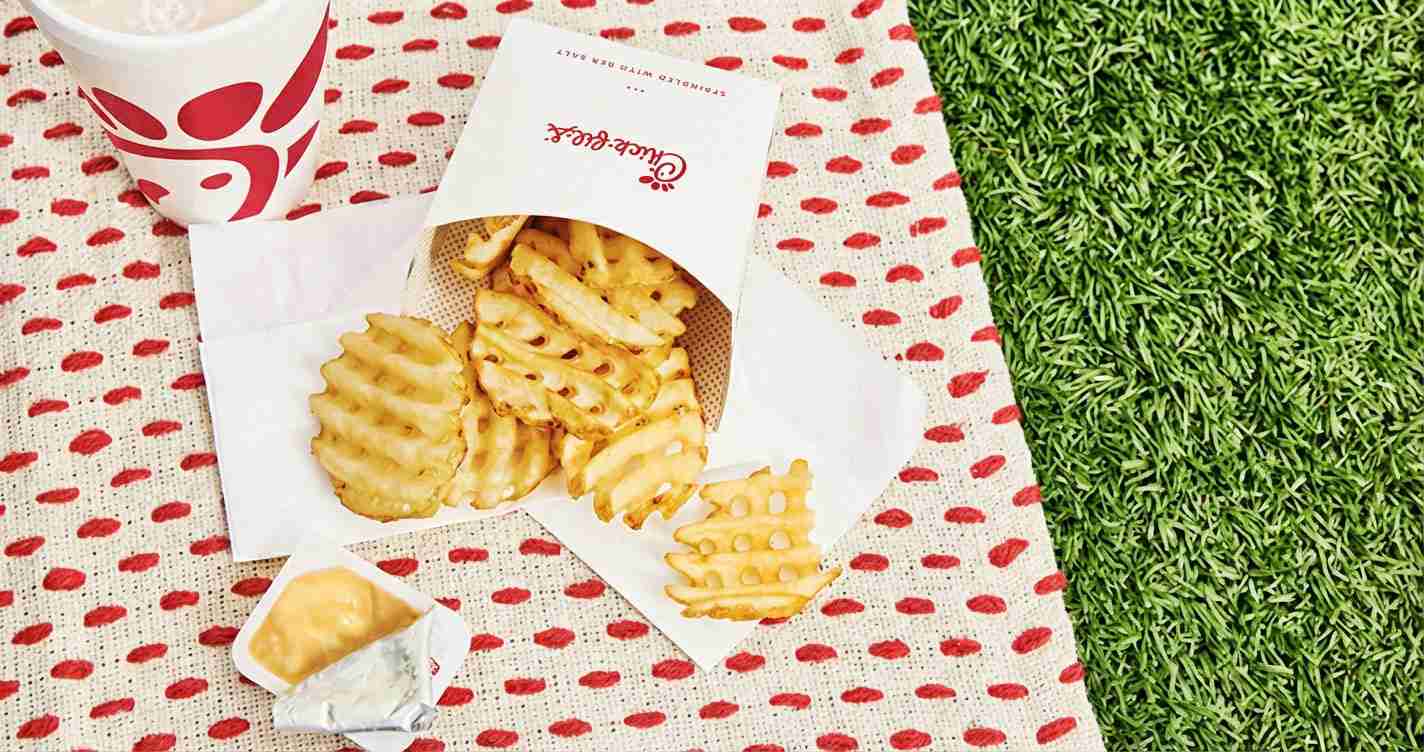
Chick-fil-A Reverts Waffle Fries Recipe After Customer Backlash; pea starch removed from coating
After widespread customer outcry, Chick-fil-A removed pea starch from its waffle fries recipe in 2026, reverting to the pre-2024 formula to address complaints about taste, texture and allergen concerns and to restore the fries fans remembered.
Key takeaways
- Pea starch removed: Chick-fil-A updated its ingredient information and confirmed the fries no longer contain pea starch via the Chick-fil-A ingredient page.
- Reversal after backlash: The chain added pea starch in late 2024 to increase crispiness but reversed the change in 2026 amid customer complaints documented by The Daily Meal and local reporting such as Forever York.
- Ingredients restored: The current coating lists modified food starches (corn, potato, tapioca), rice flour, salt, leavening agents and seasonings — matching the pre-2024 formula.
- Local implications: Sonoma-area businesses and consumers may see modest effects on sales, procurement and allergen planning following the change.
Main story
Key information
What changed: In 2026 Chick-fil-A removed pea starch from the waffle fry coating and updated its online ingredient list. The company confirmed the change on its public ingredient page: Chick-fil-A ingredient page.
Background: The chain added pea starch in late 2024 after more than a year of testing to help fries stay crispier for longer, a move documented by The Daily Meal.
Timeline of changes
- 1985: Chick-fil-A introduced waffle fries; the original recipe did not include pea starch (The Daily Meal).
- Late 2024: Pea starch was added to the coating after tests aimed at improving crispiness (The Daily Meal).
- 2026: Pea starch removed; ingredient information updated publicly and confirmed on the company site (Chick-fil-A ingredient page; Forever York).
Why the company changed the recipe in 2024
Chick-fil-A said it tested modified coatings for more than a year. The stated goal was operational: make waffle fries hold a crispier texture longer during high-volume service and delivery. Pea starch, with higher amylose content, was part of that formula change (The Daily Meal).
Customer backlash and social reaction
The late-2024 tweak produced a swift online response. Across Reddit, Instagram and other platforms customers reported three main complaints:
- Taste: Many said the fries were blander — one Reddit post called them “pretty bland now.”
- Texture: Responses split: some felt fries were too hard or lost the old mouthfeel; others appreciated increased crispiness.
- Allergy concerns: Some users flagged potential pea-related allergen issues. Food-safety groups note starches typically lack the proteins that trigger allergies, but processing can leave residues — prompting consumer questions (The Daily Meal).
“Many customers celebrated the 2026 reversal, saying the fries ‘taste how they used to,’ while a few missed the extra crispiness of the pea-starch formula.” — social reporting and community reaction
Ingredients and nutrition
Current ingredients: Potatoes cooked in canola oil and vegetable oils; a coating of modified food starches (corn, potato and tapioca), rice flour, salt, leavening agents and seasonings. The company’s ingredient page omits pea flour or pea starch (Chick-fil-A ingredient page).
Nutrition (medium serving):
- Calories: 420
- Fat: 24 g
- Carbohydrates: 45 g
- Fiber: 5 g
- Sugar: 1 g
- Protein: 5 g
- Sodium: 240 mg
- Approximate cost: $3.85 (varies by location) — source: The Daily Meal
What food experts say
Food scientists describe pea starch as useful for texture control because of its higher resistant starch and amylose content, which can firm a coating and prolong crispness. However, experts emphasize that allergens are typically proteins; starches are less likely to provoke reactions, though residual proteins from processing can be a concern for highly sensitive individuals (The Daily Meal).
Company response and transparency
Chick-fil-A restored the older formula and updated public-facing ingredient information. The company’s confirmation on its website aims to reassure customers about ingredients and to provide a point of contact for allergy questions: Chick-fil-A ingredient page.
Restoring the original recipe highlights how customer feedback through social platforms can influence large food brands.
Implications for Sonoma, California
Economic impact
- Local franchise sales: Reinstating the familiar fry recipe could bring back customers and boost side-item and combo sales at nearby outlets.
- Food suppliers: Removing pea starch may shift orders back to traditional starch blends and rice flour suppliers used prior to 2024.
Political and regulatory effects
- Allergen awareness: Public institutions and school food services that track ingredient lists may find the change eases planning for sensitive diners.
- Local procurement: Clear ingredient disclosures reinforce why municipalities require detailed vendor ingredient lists for contracts.
Social effects
- Consumer trust: Restoring the classic recipe can rebuild trust among residents who value taste and consistency.
- Online community response: Sonoma’s active local forums likely will reflect the national sentiment and may spur local sampling reports.
Cultural relevance & practical tips
- Cultural: The debate emphasizes local priorities for flavor and tradition over operational tweaks.
- Practical: Residents with concerns should still check ingredient pages and contact stores directly; those preferring the pre-2024 fries can expect the familiar taste.
Sources and reporting notes
This article draws on reporting and public information from the following sources:
- Chick-fil-A customer support page on waffle fry ingredients
- The Daily Meal coverage of the recipe change and reversal
- Forever York coverage of customer reaction and reversal
Dateline: Atlanta, Georgia (Times Media Service)