Ruth’s Chris dress code sparks viral debate — a claimed Chili’s “call-out” on X can’t be verified
Ruth’s Chris Steak House’s business casual dress code — banning items like hats, gym wear and revealing clothing in main dining rooms — has sparked a viral debate online, dividing users over decorum versus alleged elitism and policy enforcement.
Key takeaways
- Dress code basics: Ruth’s Chris enforces business casual in main dining rooms and lists banned items such as hats, gym wear and revealing clothing.
- Online debate: Social media reaction is split between praise for decorum and criticism that the rules feel outdated or elitist.
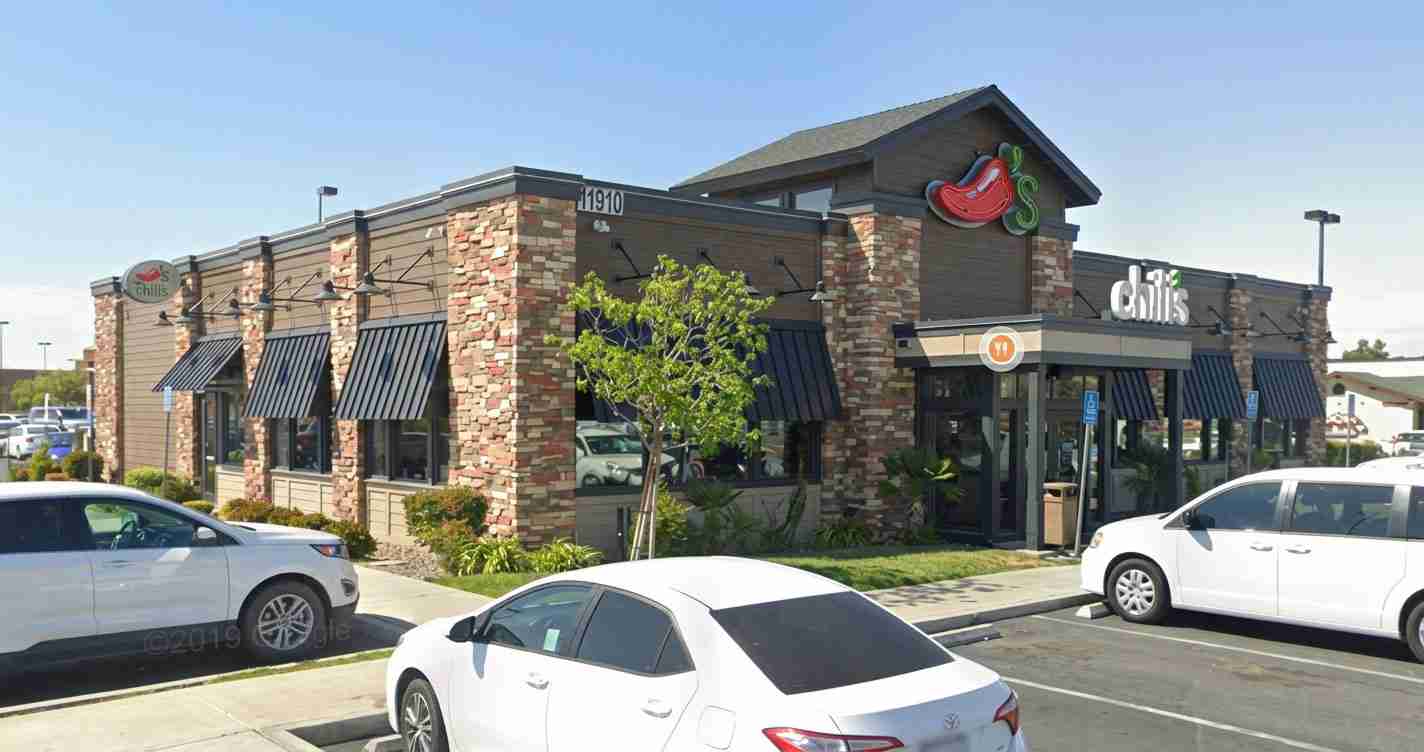
- No verified Chili’s reply: Searches of coverage find no verifiable record that Chili’s publicly “called out” Ruth’s Chris on X or that a Chili’s reply reached the viral numbers claimed.
- Local implications: Tighter enforcement could reshape tourist and local dining patterns in places like Sonoma County.
What the Ruth’s Chris policy says
Ruth’s Chris describes preferred dining room attire as “business casual” and asks guests to wear “proper attire” in the main dining room. The chain’s publicly posted guidance lists items not allowed in dining rooms: gym wear, pool attire, tank tops, clothing with offensive graphics or language, revealing clothing, and exposed undergarments. The site also notes that hats should be removed upon entering; guests wearing ball caps may be asked to dine in the bar or lounge area instead of the main dining room. See the Ruth’s Chris first-time visit guide and coverage at Delish and The Takeout for more detail.
Why the debate went viral
Although the dress code has existed for years (archived guidance and the chain’s materials show continuity), renewed attention appears tied to stricter enforcement at some locations and social posts emphasizing the rules. That combination — a longstanding policy plus visible enforcement — sparked broad discussion about fairness, class and restaurants’ role in policing appearance. Some users celebrated a return to formality; others said the rules risk alienating regular, middle-class or climate-driven wardrobes. Coverage documenting these reactions includes Delish and The Takeout.
Ownership and business context
Ruth’s Chris was acquired by Darden Restaurants in 2023. Darden, which also owns brands such as Olive Garden, LongHorn Steakhouse and The Capital Grille, positions Ruth’s Chris as a higher-end dining option; that brand positioning likely informs dress code enforcement as a way to protect a dining atmosphere perceived as premium. Reporting on the acquisition and Darden’s portfolio appears in The Takeout and Fox News.
Past incidents and selective enforcement concerns
Ruth’s Chris has faced past controversies over how dress codes were applied. A notable example came in 2015 when gospel singer Marvin Sapp said he was kept from the dining room in Chicago while others with different attire were allowed in; the chain later issued an apology. Such incidents are often cited in discussions about whether enforcement is consistent or can feel discriminatory. See coverage in outlets like Fox News.
Social media reaction and the missing Chili’s exchange
National coverage captured a wide range of online comments: some users voiced support for stricter attire rules, while others argued they push away middle-class diners. Social posts compared Ruth’s Chris with casual chains — with examples saying,
“I’d rather go to Chili’s.”
— but searches of news reports and the chain’s materials found no verifiable evidence that Chili’s publicly “called out” Ruth’s Chris on X or that any Chili’s reply reached the viral levels claimed. Reporting centers on Ruth’s Chris policy and public reaction rather than a documented back-and-forth with the casual-dining brand; see reporting in Delish, The Takeout, Fox News and commentary referenced at Barstool Sports.
Fine dining dress codes in a wider context
Ruth’s Chris rules align with a broader set of fine dining expectations that aim to protect an ambiance some diners pay for. Across the industry, higher-end restaurants often set attire expectations to shape the experience. Critics say strict dress codes can feel exclusionary — particularly in diverse communities where clothing reflects climate, culture, work and income — while supporters argue that those policies preserve atmosphere for special occasions and reduce disruptive behavior. Commentary on these tensions appears in outlets cited above, including Delish and The Takeout.
Implications for Sonoma, California
Economic impact
Local steak and fine-dining restaurants in Sonoma County rely heavily on tourism, winery visitors and special-occasion diners. If national chains tighten enforcement of fine dining dress codes, some visitors may view upscale restaurants as more formal — a shift that could benefit reservation-only, curated venues but discourage casual visitors expecting relaxed wine-country style. Perception of elitism could shift patronage toward casual diners, pubs and tasting rooms, altering weekend-night tourist spending patterns.
Political consequences
Dress-code debates can surface in local conversation about business regulation, inclusivity and cultural norms. While elected officials are unlikely to regulate private restaurant dress rules, controversies may appear in community meetings or campaigns centered on tourism strategy and business friendliness. Local leaders could be asked whether Sonoma’s hospitality sector should emphasize a formal image or a welcoming, laid-back identity aligned with regional values.
Social effects
Sonoma’s mix of tourists, service workers and longtime residents means dress expectations vary. Strict enforcement of rules such as “no hats” or “no tank tops” could feel exclusionary to seasonal workers, agricultural laborers, or visitors arriving from winery activities, creating potential friction between staff and patrons. Conversely, clear policies can protect the experience some customers seek for celebrations.
Cultural relevance
Wine-country culture often blends casual comfort with attention to presentation. Many Sonoma diners value a balance — arriving from a vineyard yet expecting a refined meal. Restaurateurs can signal atmosphere while remaining mindful of climate and culture (for example, allowing light jackets or situational hat etiquette).
Practical applications for Sonoma diners and businesses
- For diners: Check a restaurant’s website or call ahead. For upscale steakhouse nights, choose smart-casual attire to avoid being asked to move to the bar or lounge.
- For local restaurants: Clearly post dress-code rules online and at entrances; train staff on consistent, respectful enforcement and consider seasonal flexibility for winery-to-dinner transitions.
- For tourism partners: Include dress-code notes in visitor guides so out-of-town guests know what to expect when booking special meals.
Reporting notes and sources
This article draws on restaurant policy documents and national coverage of the debate. Key sources consulted include the Ruth’s Chris first-time visit guide, national reporting and commentary at Delish, The Takeout, Fox News and related coverage at Barstool Sports. Public reporting focuses on Ruth’s Chris’ policy and public reaction; searches of the cited coverage did not find independent verification that Chili’s replied on X or that any such reply achieved the viral reach described in some social posts.
Preserved source links: Ruth’s Chris first-time visit guide • Delish • The Takeout • Fox News • Barstool Sports