Diablo Canyon extension draws fresh scrutiny as lawmakers, utilities and advocates clash over California nuclear power
California’s last nuclear plant, Diablo Canyon Power Plant, has been approved to operate through at least 2030, reversing a 2016 shutdown deal and igniting clashes among lawmakers, utilities, environmental groups and local communities over energy reliability, safety and policy.
Key takeaways
- State reversal: Diablo Canyon’s planned 2025 retirement was reversed by SB 846, allowing Unit 1 to operate through 2029 and Unit 2 through 2030 (San Francisco Chronicle, SLO County).
- Regulatory approvals: The California Coastal Commission and CPUC issued permits and conditional approvals with environmental and land-protection requirements (CalMatters).
- Federal extension sought: PG&E has applied to the U.S. Nuclear Regulatory Commission for a license that could extend operations into the 2040s (NucNet).
- Local impacts: Communities are divided — concerns about delaying renewables and safety versus arguments for reliable, low‑carbon baseload power and jobs; local tax and oversight campaigns are ongoing (KSBY).
Main content
Background: the 2016 deal and the pivot to extension
Diablo Canyon, on California’s central coast, was set for retirement under a 2016 agreement between PG&E and environmental groups that scheduled the two reactors to close by August 2025. Then-Lt. Gov. Gavin Newsom at the time supported the plan, which relied on accelerated wind, solar and storage buildouts plus transmission upgrades to replace the plant’s output. (San Francisco Chronicle.)
What happened after SB 846: permits, conditions and local actions
In 2022 the Legislature passed SB 846, directing that Diablo Canyon remain available to operate through at least 2030; state regulators later set staggered dates: Unit 1 to 2029 and Unit 2 to 2030. State agencies completed additional reviews: the California Coastal Commission approved permits after detailed analysis of the plant’s marine cooling impacts, and the California Public Utilities Commission granted conditional approval with land‑conservation commitments and other mitigation measures. (San Francisco Chronicle; CalMatters; SLO County.)
Local leaders have pursued other actions: some county and city officials are exploring reinstating unitary taxes to capture more revenue from the plant, while community groups remain split — some residents emphasize safety concerns and faster renewable adoption, others point to jobs and reliable baseload power. (KSBY.)
Role of lobbying, venture capitalists and the question of influence
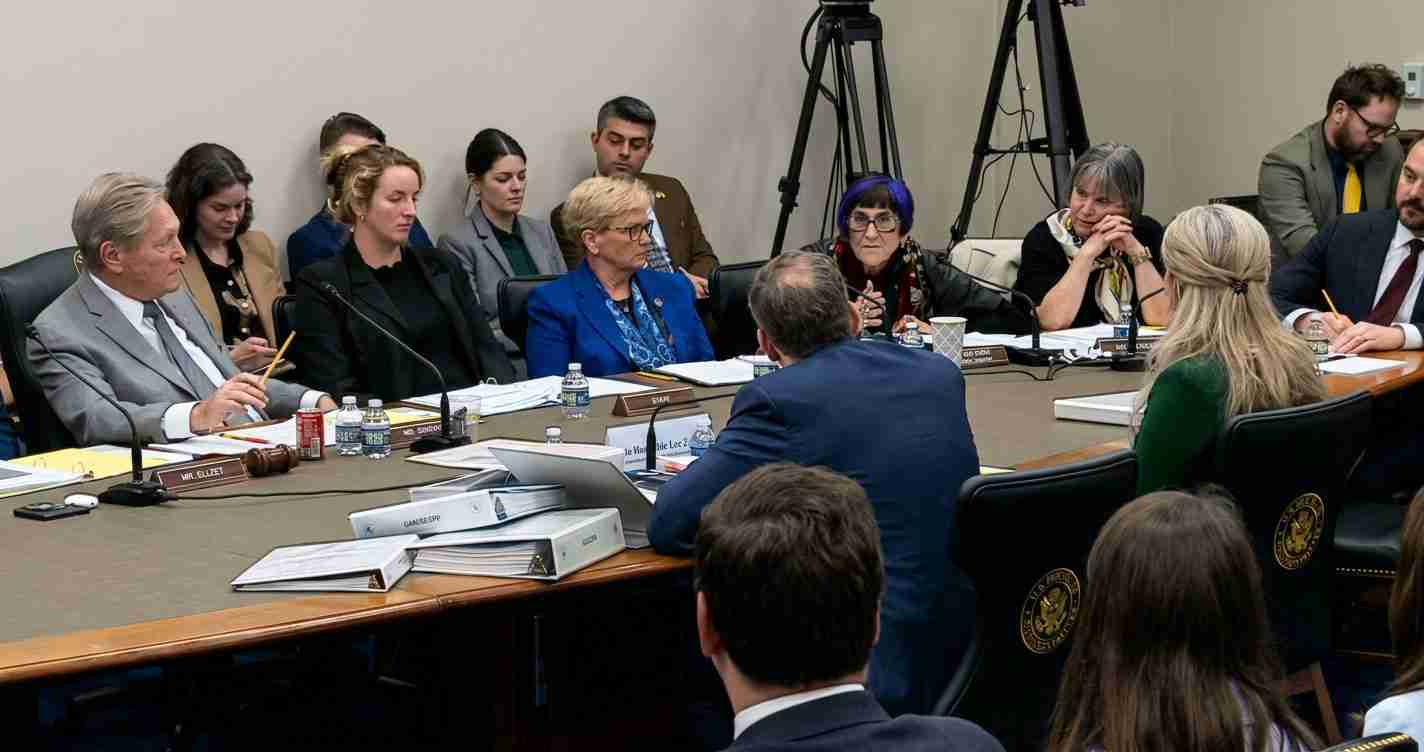
Public records and reporting document vigorous advocacy for extending Diablo Canyon — from utilities, labor and nuclear advocates. While outreach to lawmakers and regulators is well‑documented, available reporting does not identify a single, verified investigation proving that pro‑nuclear lobbyists or venture capitalists alone orchestrated the policy reversal. Coverage attributes the change to a mix of factors: utility requests, evolving grid reliability analyses, SB 846 and subsequent permits. (San Francisco Chronicle; KSBY; SLO County.)
“If you look at the numbers out there, California gets 10% of its electricity from Diablo Canyon,” said Richard St. Onge, a consultant with the American Nuclear Society, framing the plant’s advocates’ case that it supplies steady, low‑carbon power.
PG&E’s federal license application and forward-looking plans
Beyond state dates, PG&E has filed with the U.S. Nuclear Regulatory Commission for a 20‑year federal license extension that could keep the plant running into the 2040s. The utility cites rising demand — notably from data centers and other energy-intensive developments — as central to its rationale. The NRC review is separate and focuses on safety and environmental considerations. (NucNet.)
Opposition concerns and local oversight efforts
Opponents warn that extending Diablo Canyon could delay investments in renewables and storage, increase reliance on a single large plant with attendant safety and cost risks, and reduce urgency for distributed clean energy projects. Local campaigns pressing for more community control — including reinstating unitary taxes and bolstering oversight — are ongoing. (San Francisco Chronicle; IJPR.)
Transparency and unanswered questions
Journalistic searches and public filings show vigorous debate and many official filings about Diablo Canyon’s extension. However, they do not surface a single, definitive investigative finding that private funders or venture capitalists were the decisive factor. Where questions remain, reporting points to the need for continued transparency from utilities, political actors and outside funders as regulatory and licensing processes move forward. (San Francisco Chronicle; KSBY; SLO County.)
Implications for Sonoma, California
Economic impact
Sonoma County participates in the larger Northern and Central California grid supported in part by Diablo Canyon. Continued operations through at least 2030 could mean more stable electricity prices and fewer forced outages during seasonal peaks — a benefit for wineries, tourism and small manufacturers that rely on predictable power. Reinstating unitary taxes in counties could shift revenue distribution, potentially increasing funds for local services if adopted. (KSBY; SLO County.)
Political consequences
The Diablo Canyon debate is a statewide flashpoint that Sonoma officials and voters are watching. Supporters of SB 846 framed it as necessary for reliability; critics decried it as backtracking on a 2016 climate compromise. For moderate voters, the issue could shape perceptions of state leadership on energy policy and prompt local elected officials to take positions on future extensions or local tax measures. (San Francisco Chronicle.)
Social effects
Safety, environmental protection and pace of renewable deployment are major concerns for Sonoma residents who prioritize climate goals and public health. Conversely, workers tied to the plant’s supply chain worry about job security if the plant closes before replacement capacity is online. Local discussions are likely to balance job protection and reliability against accelerating solar, wind and storage deployment. (San Francisco Chronicle; IJPR.)
Cultural relevance
Sonoma’s environmental identity and conservation ethic make the Diablo Canyon decision particularly resonant: some view extended nuclear operations as pragmatic for decarbonization, while others see it as a retreat from aggressive renewables deployment. The tension reflects broader California debates about meeting climate goals while maintaining grid reliability. (San Francisco Chronicle.)
Practical applications for daily life
For Sonoma residents the most direct effects may be practical: fewer rotating outages during heat waves, steadier power for businesses relying on refrigeration and processing, and potential shifts in electricity rates depending on longer‑term resource decisions. Local governments and utilities could use the additional runway to plan grid upgrades, invest in distributed storage, or negotiate contracts that benefit county customers. (NucNet; SLO County.)
Reporting notes and sources
This report is based on public reporting and official filings, including coverage from the following outlets and documents:
- San Francisco Chronicle
- KSBY
- San Luis Obispo County project page
- CalMatters
- NucNet
- Inland public radio (IJPR)
Reporting by Times Media Service