WASHINGTON, July 7 (San Diego News Online) — NOAA’s Climate Prediction Center said in a June 11 advisory that El Niño conditions are present and expected to strengthen into the Northern Hemisphere winter of 2026-27. The agency’s status remains an El Niño Advisory, and forecasters put the chance of a very strong El Niño during November-January at 63%.
For Washington readers, the practical step is simple: keep following NOAA winter outlooks, and if you live in or travel to a coastal area, pay attention to high-tide flooding alerts.
What is El Niño?
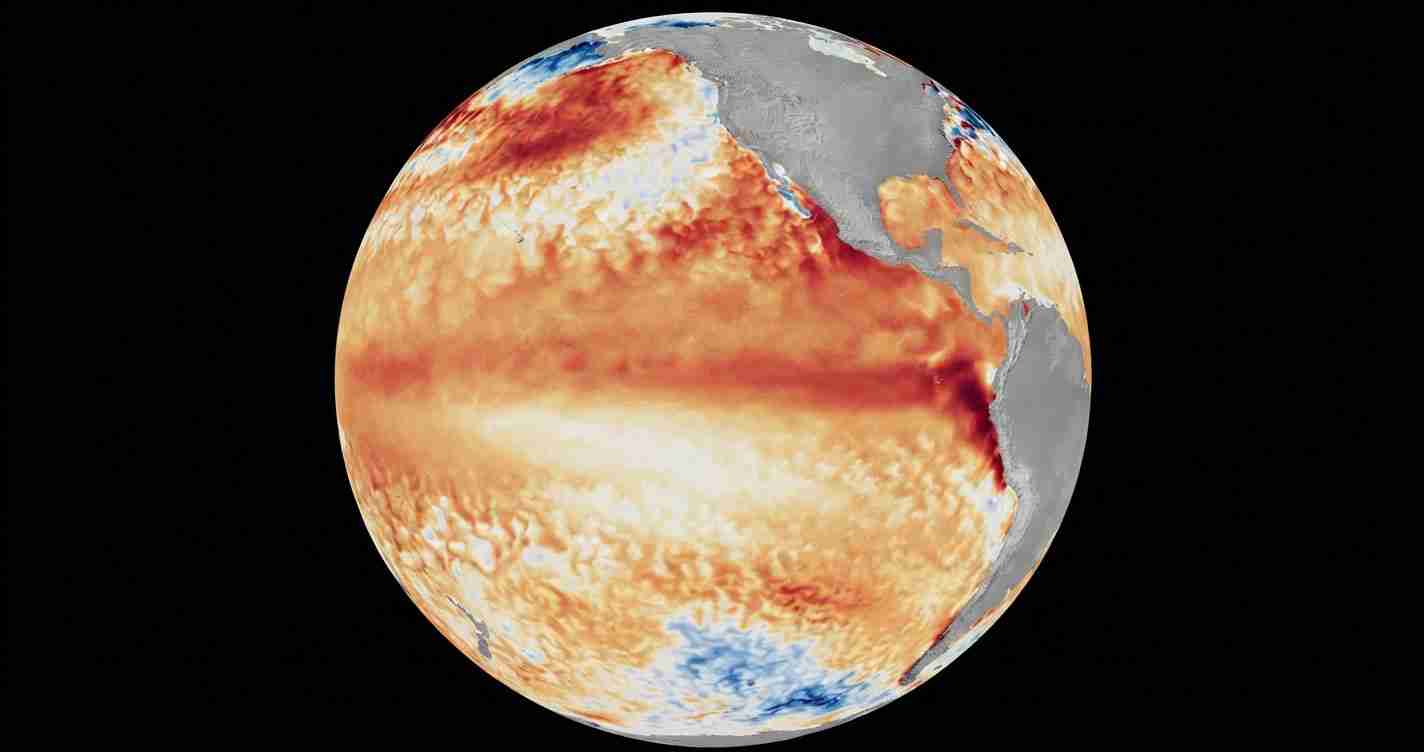
El Niño is the warm phase of ENSO, short for El Niño-Southern Oscillation, a recurring climate pattern in the tropical Pacific Ocean. NOAA says it starts when sea-surface temperatures in the central and eastern equatorial Pacific stay warmer than average long enough to affect the atmosphere above them.
Those ocean changes can shift weather patterns far beyond the Pacific. El Niño does not guarantee any one type of weather in Washington, D.C., or anywhere else. But it can tilt the odds for seasonal temperature and precipitation patterns across the United States and around the world.
What NOAA is seeing now
The Climate Prediction Center said El Niño conditions developed over the prior month as above-average sea-surface temperatures spread across the central to eastern equatorial Pacific. In its latest weekly readout, NOAA listed the Niño-3.4 index at plus 0.7 degrees Celsius, the Niño-4 index at plus 0.7 degrees, and the Niño-1+2 index at plus 2.1 degrees.
Those numbers matter because the Niño-3.4 region is the main benchmark forecasters use to track ENSO. When it stays warm enough, and the atmosphere responds, forecasters can say El Niño has formed.
NOAA’s bulletin also said model guidance from the North American Multi-Model Ensemble, including the NCEP CFSv2 model, points to further strengthening into winter. The agency said there is a 63% chance of a very strong El Niño during November-January, a level it said could rank among the largest events in the record going back to 1950.
Why this matters for the U.S.
The main reason El Niño gets attention is that it can change storm tracks and seasonal patterns. NOAA’s Ocean Service says a developing El Niño could raise the odds of high-tide flooding in some U.S. locations, especially along the coast.
That does not mean flooding will happen everywhere, or that every coastal community will be affected the same way. It does mean people in flood-prone areas should pay closer attention to local forecasts, tide notices and any advisories from the National Weather Service.
How confident are forecasters?
The short answer is: fairly confident that El Niño is in place and still building, but less certain about exactly how strong it will become.
NOAA’s Climate Prediction Center says the event is already underway. The International Research Institute at Columbia also said El Niño conditions were strengthening across the tropical Pacific, with its forecast page showing the latest weekly Niño-3.4 index at plus 1.7 degrees Celsius on June 17 and pointing to continued intensification.
That said, seasonal forecasts are not exact. El Niño is one part of the climate system, and local weather still depends on many other factors. The best way to use the forecast is as a heads-up, not a promise.
For now, NOAA’s message is straightforward: El Niño is here, it is likely to grow stronger through the Northern Hemisphere winter, and people who rely on seasonal weather patterns should keep watching the updates.