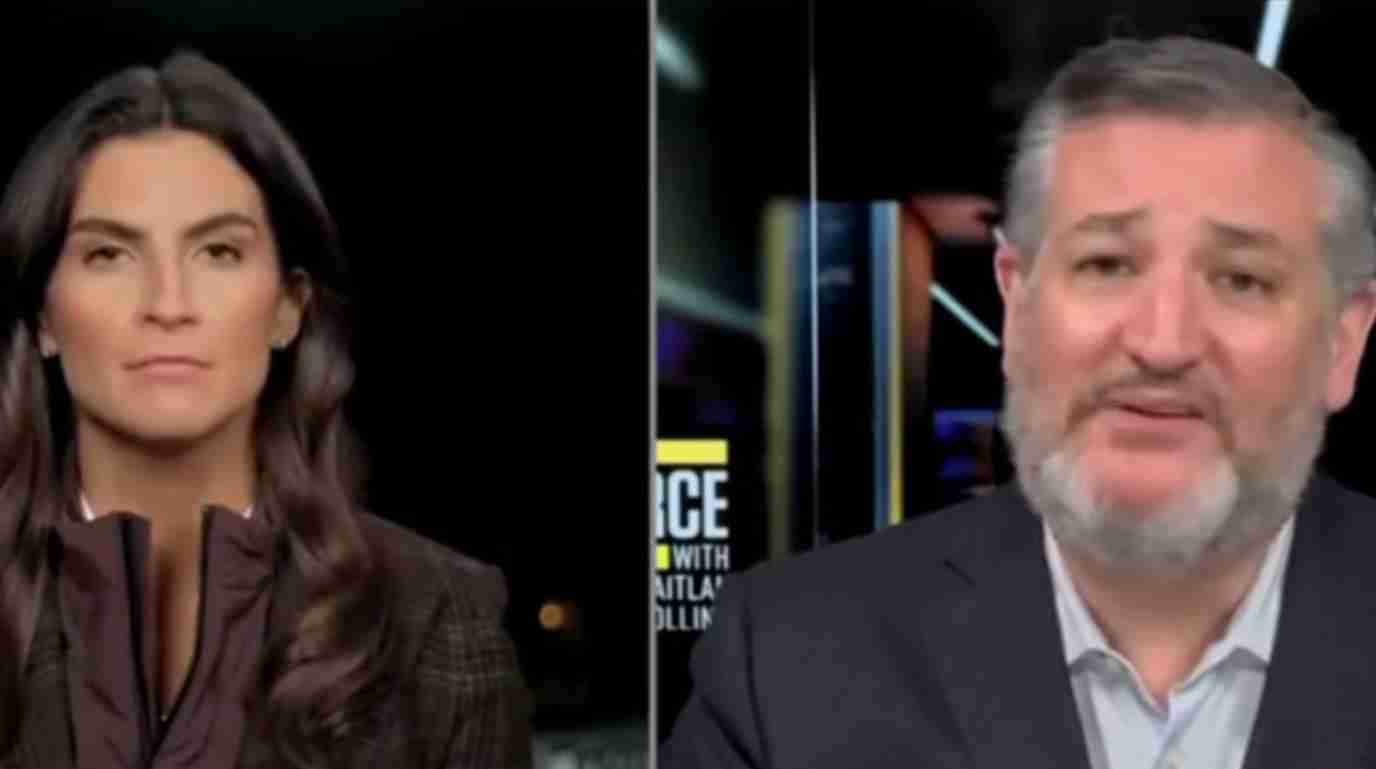
Cruz clashes with CNN host Kaitlan Collins over Charlie Kirk shooting, accuses network of ‘misinformation’
Senator Ted Cruz engaged in a heated on-air exchange with CNN host Kaitlan Collins, accusing the network of spreading misinformation about the motive in Charlie Kirk’s shooting; Collins contested the claim, citing lack of official confirmation and sparking debate.
Key takeaways
- On-air dispute: Cruz and Collins debated whether authorities have established a political motive in Charlie Kirk’s killing — Cruz said yes; Collins said investigators have not confirmed motive. (Sources: WMAL, The Daily Beast)
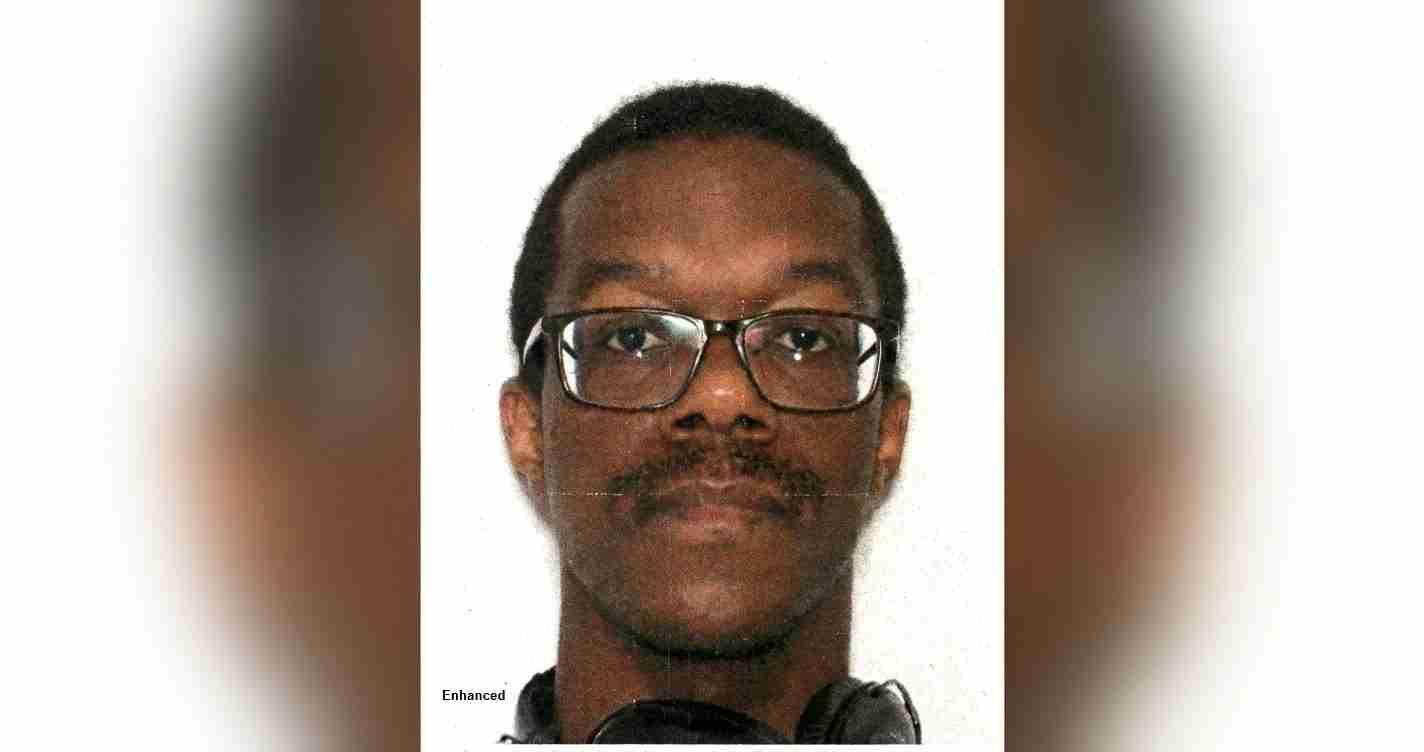
- Evidence vs. confirmation: Prosecutors cited texts and markings found with the accused — identified in reporting as Tyler Robinson, 22 — but did not file a formal public finding that a single political motive was legally established.
- Media standards: The clash highlighted journalistic caution in reporting motive and a broader debate over political figures publicly drawing conclusions from preliminary evidence.
On-air clash: what was said
Ted Cruz repeatedly insisted on live television that the shooter’s motive was clear, saying, “We obviously know the assassin’s motive,” and describing the suspect as a left-wing activist who hated Charlie Kirk, according to reporting of the segment.
Kaitlan Collins pushed back, citing investigators’ public statements: while authorities released details — including alleged text messages and phrases scratched on bullets — they had not formally confirmed a single motive. Collins said, “Law enforcement has not yet confirmed Robinson’s motive,” per published accounts.
Both speakers spoke over each other at points; the interview ended with continued disagreement about whether public evidence equated to an established motive.
What investigators have said — and have not said
Publicly available prosecutorial filings and statements referenced materials found with the accused — including texts and symbols and notes scratched on bullets — that suggest animus. Reported details include references to internet memes and quotes such as, “Some hate can’t be negotiated out.”
However, officials had not issued a formal public declaration categorically labeling the killing with a single political motive in the way Cruz pressed on air. Journalists note the distinction between evidence that suggests intent and an official investigative or legal finding.
Political reaction and public debate
Cruz and other Republican figures amplified the characterization of the shooter’s motive on social media and in remarks, prompting critics to warn that such statements can conflate preliminary evidence with confirmed motive and potentially inflame tensions.
Media critics and journalists used the episode to revisit longstanding debates over how and when to label violent acts tied to politics, weighing the need to inform the public against the responsibility to rely on confirmed sources.
Legal context: charges against the accused
Reporting identifies the accused as Tyler Robinson, 22, who faces capital murder charges in Utah. Prosecutors are pursuing the most serious charges while evidence is collected and reviewed, but published accounts note that, at the time of the Cruz–Collins exchange, prosecutors had not filed a formal statement assigning a singular political motive.
Why motive matters for reporting and public safety
Motive affects investigative priorities, charging decisions and public perception. Naming a political motive can change investigative classifications and community responses; conversely, premature attribution risks mischaracterizing events and intensifying polarization.
Journalistic practice generally favors waiting for law enforcement or prosecutorial confirmation before reporting motive as established fact — a point Collins emphasized during the interview.
Implications for Sonoma, California
Though the incident occurred elsewhere, national stories about political violence can ripple into communities like Sonoma:
- Economic: Tourism-dependent local economies may face perception-driven booking shifts if safety concerns spread.
- Political: Local conversations about media trust and rhetoric may intensify, especially among engaged voters.
- Social: Community groups might organize forums on preventing political violence and improving media literacy.
Practical steps for local leaders include reviewing security plans for public events and promoting media-literacy workshops to help residents distinguish confirmed facts from political commentary.
Reporting standards and the local newsroom
For Sonoma-area newsrooms, the exchange underscores the value of careful sourcing. Local journalists typically rely on explicit law enforcement releases when covering crimes with potential political overtones, while still documenting evidence that may indicate animus.
Local press can help stabilize discourse by explaining journalistic choices to readers and tracing how national rhetoric shapes local perceptions.
Sources and further reading
- WMAL: “Cruz blasts CNN’s Collins for misinformation”
- The Daily Beast: “Kaitlan Collins shuts down Ted Cruz in explosive on-air clash”