Trump Announces Three-Day Russia-Ukraine Ceasefire, 1,000-for-1,000 Prisoner Swap Ahead of Victory Day
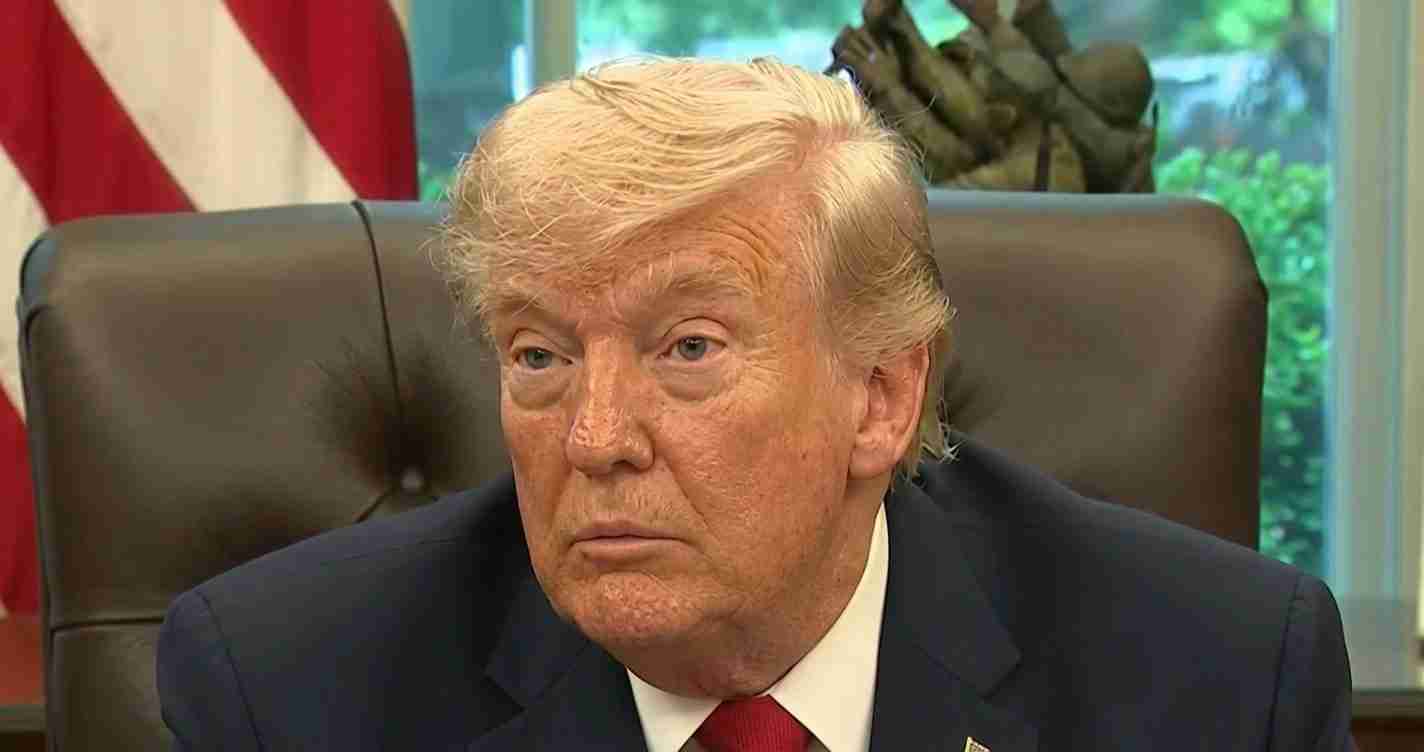
President Trump announced a three-day Russia-Ukraine ceasefire from May 9–11, 2026, alongside a 1,000-for-1,000 prisoner swap, confirmed by Ukraine’s Volodymyr Zelenskyy and framed to coincide with Russia’s Victory Day celebrations and potential talks.
- Three-day truce: Combat paused May 9–11, 2026, per the announcement.
- Large prisoner exchange: A reciprocal 1,000-for-1,000 swap agreed by both sides.
- U.S. mediation: President Trump said the deal was mediated by the American side.
- Verification questions: Independent monitoring, logistics and enforcement details remain unresolved.
Key information and public record
President Trump announced the truce and swap on his Truth Social account; portions were excerpted in a video summary on YouTube. Ukrainian President Volodymyr Zelenskyy confirmed the arrangement on X and noted it was agreed “within the framework of the negotiating process mediated by the American side,” reported by Politico.
What Trump announced
On May 8, 2026, President Trump posted that his direct request secured agreement from both Presidents Vladimir Putin and Volodymyr Zelenskyy for a three-day stoppage of combat and a reciprocal release of 1,000 prisoners each. He framed the pause around May 9 Victory Day observances and described the halt as a potential step toward ending the conflict, a central pledge of his 2024–2026 campaign. Portions of his message were shared in a short YouTube excerpt.
Zelenskyy’s confirmation and conditions
President Zelenskyy posted on X confirming both the prisoner-swap format and the May 9–11 ceasefire dates. He said Ukraine obtained Russia’s agreement “within the framework of the negotiating process mediated by the American side” and that Ukrainian teams were preparing to implement the exchange promptly. Zelenskyy thanked the United States and asked Washington to help ensure Moscow abides by the terms (coverage by Politico).
Russian context and Victory Day
May 9 is Russia’s Victory Day, commemorating the Soviet defeat of Nazi Germany. This year’s observances were scaled down amid the war; Moscow planned a pared-back parade without heavy military hardware. The Russian Defense Ministry said it ceased combat operations and would hold previously occupied lines from midnight Friday, framing the move as consistent with Victory Day (reported by Politico and a YouTube excerpt).
The practical mechanics: prisoner swap and monitoring
Operational details are limited. A coordinated 1,000-for-1,000 exchange implies complex logistics: agreed prisoner lists, medical checks, secure transfer points, neutral observers, and both sides’ transport arrangements. Zelenskyy said Ukraine’s teams were preparing to act quickly; the U.S. role was described as mediator and guarantor, though specific oversight mechanisms (military liaisons, diplomats, or international organizations) were not detailed in initial statements (see Politico and the YouTube excerpt).
Why past ceasefires faltered
Analysts note that unilateral or short-term truces have been fragile. Both sides have accused each other of violations; past pauses collapsed quickly. Ukraine’s use of long-range strike capabilities and unilateral pauses announced by Russia previously have eroded trust and complicated assurances that a new pause will hold.
Reactions and political stakes
Trump framed the agreement as progress and a potential beginning of the end for the war. Ukrainian leaders publicly welcomed U.S. involvement but urged firm guarantees. Moscow characterized its pause as consistent with Victory Day. Independent, third-party verification was not immediately available, leaving questions about monitoring and enforcement.
Implementation risks and monitoring challenges
- Disputes over prisoner lists and eligibility for exchange.
- Attacks or strikes that either side could claim were defensive or accidental.
- Lack of neutral international monitors to verify compliance in real time.
- Logistical bottlenecks moving large numbers across active front lines or to exchange points.
The announcement references U.S. mediation but does not specify whether organizations like the International Committee of the Red Cross will be involved; such groups often play critical roles in prisoner transfers and humanitarian pauses.
Implications for Sonoma, California
Economic effects: Sonoma’s economy—tourism, restaurants and wine—is unlikely to see immediate impact from a short three-day pause. If the truce leads to sustained de-escalation, energy and shipping costs could stabilize over time, indirectly benefiting exporters and hospitality firms.
Political and civic impact: Moderate local voters and officials may welcome diplomatic steps that lower escalation risk. Civic groups serving veterans and immigrant communities may respond with increased interest and programming.
Social and humanitarian effects: Nonprofits assisting refugees and immigrants may prepare for possible arrivals or increased fundraising. Community organizations with ties to Russia and Ukraine may host vigils, discussions or services reflecting both relief and concern about the pause’s durability.
Practical applications for residents: Families with ties in Europe could use the narrow window to seek information about loved ones. Local veterans’ groups and legal clinics could offer guidance to families of prisoners or potential asylum-seekers.
Ongoing questions to watch
- Will neutral monitors be deployed to verify the ceasefire and prisoner transfers?
- How will prisoner lists and exchange logistics be published and managed?
- Will the temporary pause lead to broader negotiations and a longer-term framework?
- How quickly will independent media and international organizations confirm the exchange and suspension of hostilities?
Sources and verification
Key public records include a video excerpt of President Trump’s Truth Social post (May 8, 2026) and Politico coverage of the ceasefire and prisoner swap (May 8, 2026). At publication, wire services and international outlets reported similar core facts, though operational details and independent verification were still emerging.
Quote: “We hope this is the beginning of the end of a very long, deadly, and hard-fought war,” — President Donald Trump (excerpted in public posts and related video coverage).
Note: For primary materials referenced above see the linked YouTube excerpt and the Politico report.