US airman rescued in Iran after 36 hours hiding in Zagros crevice following F-15E shootdown
A U.S. Air Force weapons systems officer was rescued from southwestern Iran after hiding roughly 36–48 hours in a Zagros Mountain crevice following his F-15E Strike Eagle shootdown; a CIA-led tracking and deception effort enabled the daylight extraction.
Key takeaways
- Colonel survived: The weapons systems officer hid wounded in a narrow Zagros crevice for about 36–48 hours before extraction.
- CIA role: Tracking of gear and a deception campaign were central to locating and protecting the rescue.
- Large operation: Dozens of aircraft, MQ-9 Reapers and Special Operations forces executed a daylight extraction amid local threats.
- Local impact: Bounties and armed searches intensified danger on the ground, complicating rescue planning.
Key information
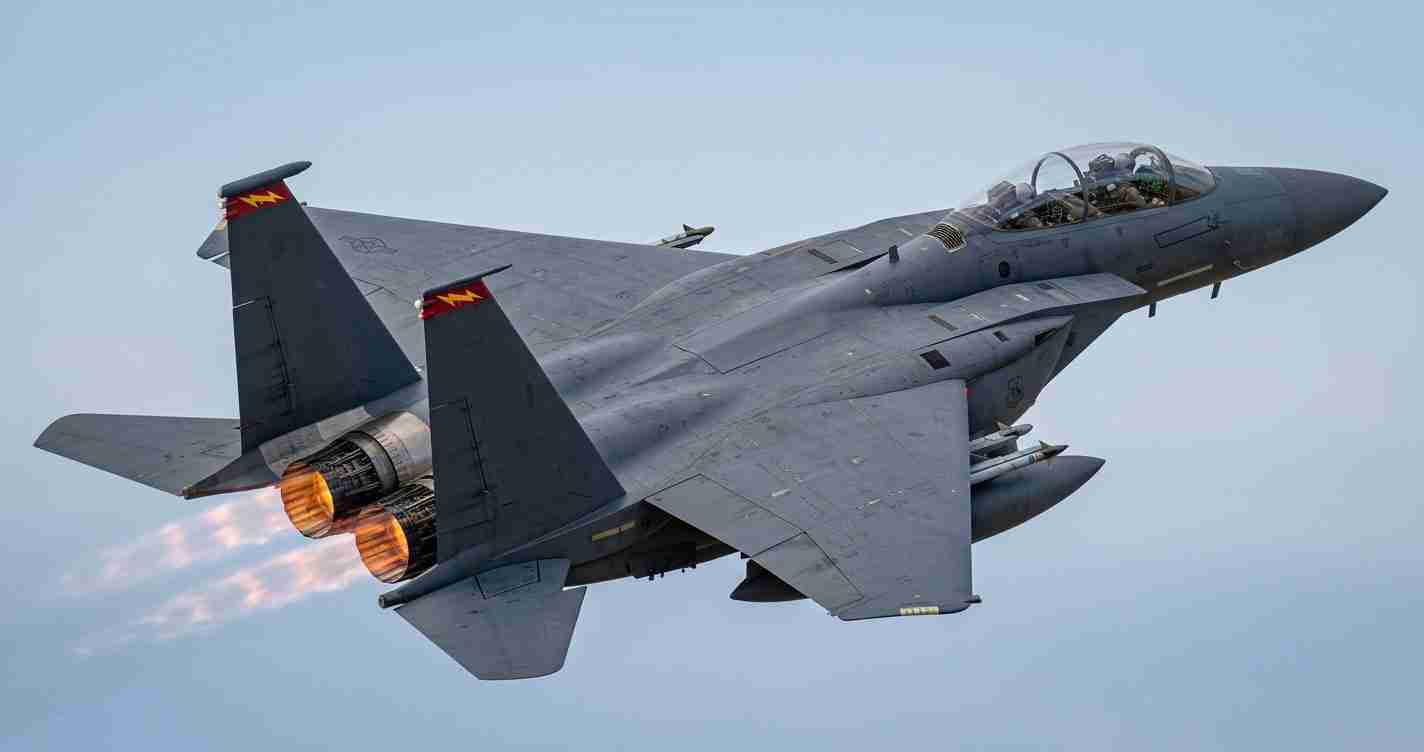
Aircraft: F-15E Strike Eagle shot down over southwestern Iran; the pilot was rescued hours after ejection. Sources cited include CBS News and Time.
How the jet went down and the split rescue
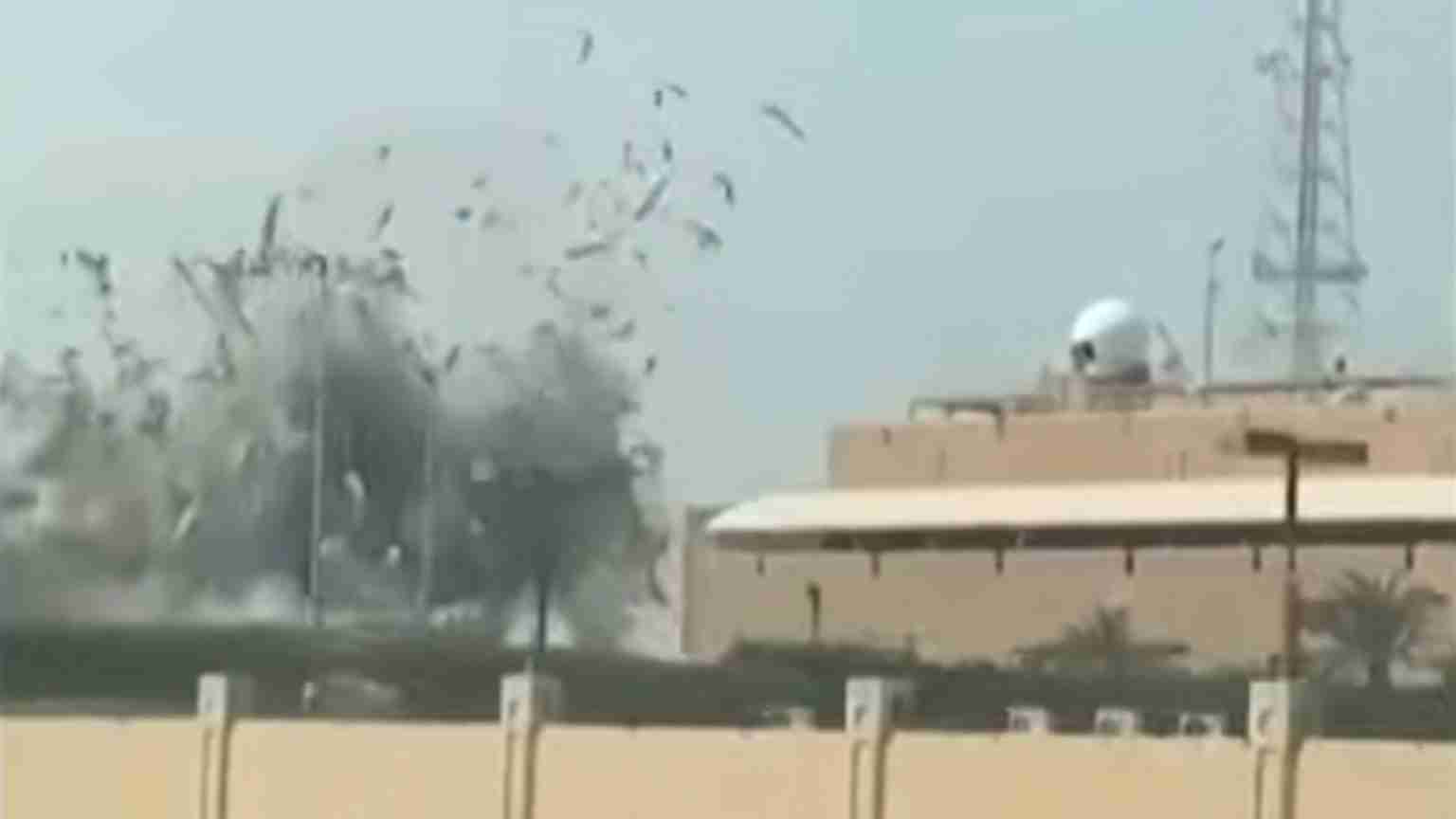
What U.S. officials say: The F-15E was downed on Friday, April 3, over southwestern Iran. Debris images circulating publicly are consistent with the Strike Eagle. The two crew members ejected separately into the steep, remote Zagros terrain; the pilot was located and rescued within hours.
The weapons systems officer — a colonel not publicly named — descended into much more isolated ground and remained hidden and wounded until recovery. Reporting sources include CBS News and Time.
Survival, hiding and the manhunt
Despite serious wounds, the colonel reached a narrow crevice and concealed himself for about a day and a half while Iranian forces and local armed groups searched. Accounts vary on climb distance and elevation; reporting uniformly emphasizes the remoteness and difficulty of detection.
His survival was aided by an emergency beacon and tracking of his equipment. Reporting on the hiding and search includes ABC News, CBS News, and Time.
Manhunt incentives: Reports say local fighters rose to search after rewards were announced; one account cited a roughly $60,000 bounty as motivation. See reporting from Axios and related video reports.
CIA tracking, deception and the rescue plan
U.S. officials credit the CIA with crucial roles: electronic tracking of the airman’s equipment, narrowing his location, and running a deception campaign inside Iran. The agency reportedly circulated false intelligence suggesting the colonel had already been captured and was being moved, aiming to mislead local forces and reduce danger to rescuers.
That ruse, combined with beacon signals, enabled planning of a daylight extraction that involved multiple aircraft, MQ-9 Reapers for overwatch and strike options, and Special Operations forces taking the front-line role. See ABC News, CBS News, and Time.
Extraction details and on-ground complications
U.S. officials described dozens of aircraft supporting the operation, MQ-9 drones providing perimeter overwatch and strike authority, and Special Operations units — reported to include SEAL Team 6 among other elite elements — executing the immediate rescue. Reports also describe small skirmishes with local fighters during the operation.
Planners faced last-minute troubles when aircraft south of Isfahan became stuck, requiring diversion of assets to prevent personnel or equipment losses. Recent, related regional incidents — including an A-10 crash and damage to rescue helicopters — added operational strain. (Reporting: Time.)
Voices and messages
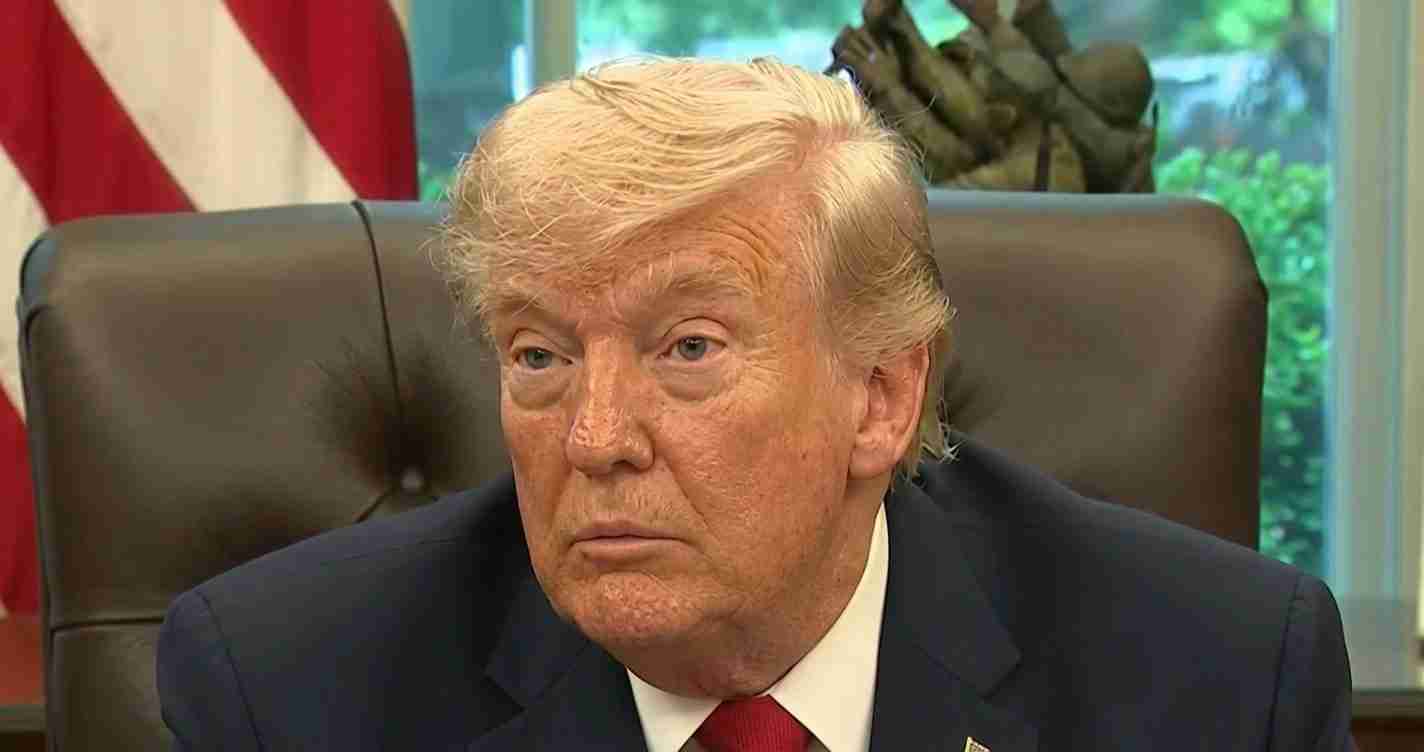
President Trump praised the operation as among the most daring search-and-rescue efforts in U.S. history and commended the colonel’s bravery. U.S. officials reported that the airman transmitted a brief radio message before extraction — quoted in multiple accounts as God is good
— though some officials worried initial signals could be a trap.
Primary accounts include CBS News, ABC News, and Time.
Status and identity
Names withheld: U.S. officials have not publicly released the names of the two crew members. The colonel rescued from the crevice was described as seriously wounded but expected to recover; reporting indicates the pilot had been rescued earlier the same day. (Sources: CBS News, Time.)
Political and operational context
U.S. officials say the rescue was coordinated at the highest levels, with the president and senior national security leaders closely involved. The operation came amid days of heightened regional military activity, and officials signaled continued efforts to recover personnel and protect forces in the area. (Sources: ABC News, CBS News live updates.)
Implications for Sonoma, California
Economic impact: Sonoma County’s tourism, agriculture and small businesses could feel ripple effects from regional instability through higher fuel and shipping costs that affect local vintners and restaurants.
Political consequences: Local officials and congressional representatives may face constituent questions on military strategy, accountability and support for service members; town halls and statements are likely.
Social effects: Sonoma’s veterans and military families may mobilize support efforts; community organizations could increase counseling and outreach for those impacted by deployment stress.
Cultural relevance & practical notes: Stories of endurance resonate locally, even as some residents press for diplomatic alternatives. Families of service members may review readiness and legal support; healthcare providers should anticipate both physical and mental health needs among returning service members.
Sources and reporting notes
This article draws on reporting from ABC News, CBS News, Time, Axios, and related video reporting (video 1, video 2).
Reporting relied on multiple U.S. officials and published accounts; where details varied among sources — for example, the precise elevation climbed or exact radio wording — this piece notes limits to confirmation and cites the reporting organizations.