Trump witnesses expanded Cambodia-Thailand peace deal as leaders sign new border accord
Donald Trump witnessed an expanded peace agreement between Thailand and Cambodia on October 26, 2025, after earlier mediation of a July ceasefire; the signing by Hun Manet and Anutin Charnvirakul aims to secure the volatile border and restore trade.
Key takeaways
- October 26 signing: Cambodian PM Hun Manet and Thai PM Anutin Charnvirakul signed an expanded ceasefire, with Donald Trump present as a witness (source; video coverage).
- Five‑point expansion: removal of heavy weapons, a joint de‑mining committee, action on online scams, normalization of Ban Nong Chan, and phased cross‑border trade resumption.
- Multilateral effort: Malaysia facilitated talks, with visible U.S. and Chinese diplomatic roles and follow‑up meetings across the region.
Full report
Background: how the Cambodian–Thai border crisis unfolded
Tensions flared in 2025 over long‑standing disagreements about the exact line of the Cambodia‑Thailand border. Skirmishes and troop deployments raised fears of a wider conflict that disrupted lives and trade in border provinces. Early ceasefire talks began in Malaysia on July 28, 2025, where Malaysia’s prime minister Anwar Ibrahim led facilitation and diplomats from the United States and China participated as co‑facilitators, producing an unconditional July ceasefire that lowered immediate tensions (source).
What the expanded agreement covers
The October 26 expanded agreement added specific, practical steps designed to make the ceasefire durable. These measures move beyond a simple cessation of hostilities to rebuild trust and protect civilians.
- Removal of heavy weapons from forward positions to cut the risk of heavy fighting (source).
- Creation of a joint de‑mining committee to locate and clear explosive remnants that endanger civilians and block farmland and roads (source).
- Measures to combat online scams and illegal activity that have flourished in chaotic border zones (source).
- Normalization plans for Ban Nong Chan, addressing a contested area where daily life and trade were disrupted (source).
- Phased resumption of cross‑border trade in designated zones to restore livelihoods and local economies (source).
Trump’s role and international dimensions
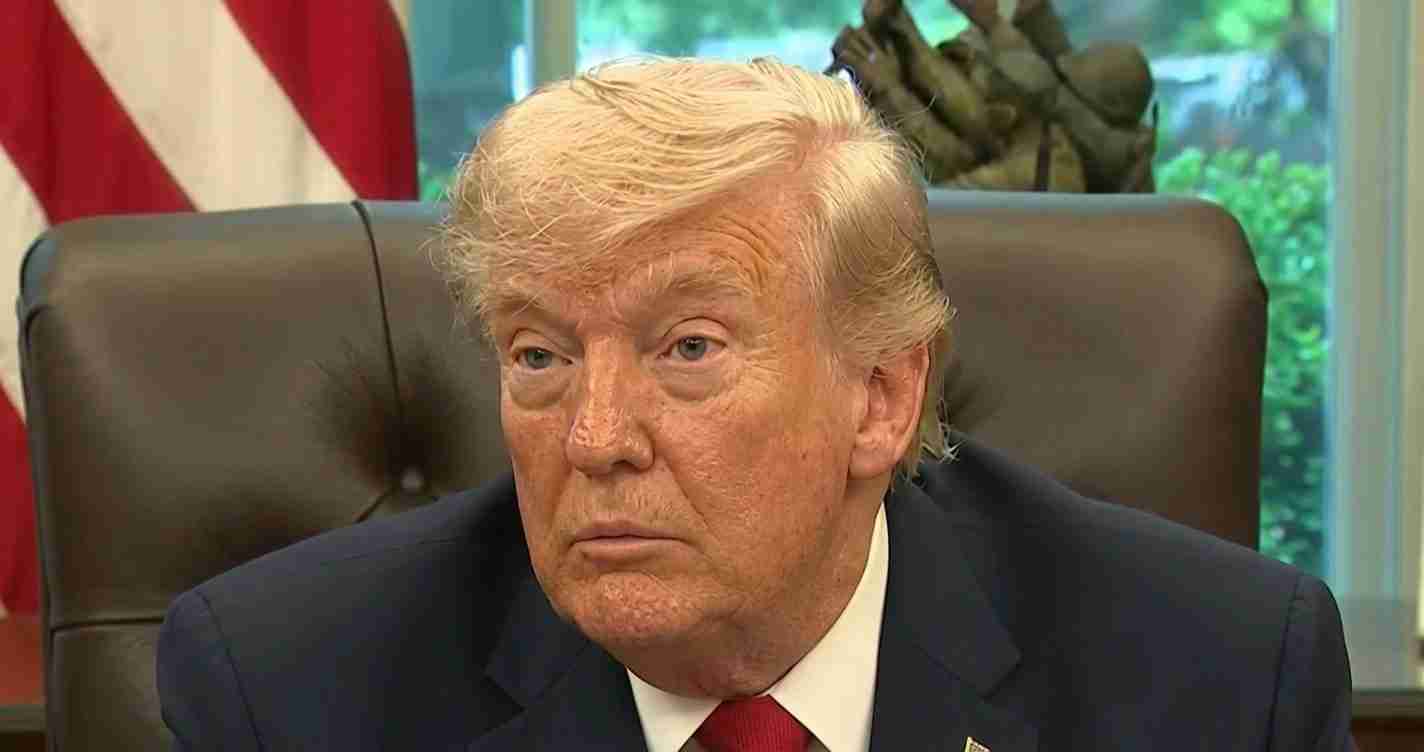
Donald Trump’s presence as a witness to the October signing drew global attention. Cambodia announced plans to nominate Trump for the Nobel Peace Prize, citing his role in brokering the initial ceasefire. Video from the ceremony shows Trump seated alongside regional leaders as Hun Manet and Anutin signed the document (video).
The process included multiple international actors: Malaysia provided crucial mediation throughout, while the United States and China were visible in early facilitation and diplomatic pressure to keep talks on track. At the UN General Assembly the ceasefire prompted debate and allegations of violations, and follow‑up informal meetings in Shanghai and Kuala Lumpur helped reaffirm commitments. These multilateral touches underscore the need for cooperation among ASEAN members and global powers (source).
Humanitarian and economic stakes
The crisis disrupted farming, trade and daily life for thousands in border provinces, leading to displacement, damaged infrastructure and fractured markets. The new measures — especially de‑mining and phased trade resumption — aim to ease human costs and restore commerce. Security analysts emphasize that removing heavy weapons and maintaining clear communication lines reduces the risk of accidental escalation, while joint committees and monitoring mechanisms can provide transparency and prevent future flare‑ups (source).
Reporting and sources
This account draws on published summaries and documentary coverage of the 2025 Cambodian–Thai border crisis, the July ceasefire talks, the August General Border Committee agreement, and the October signing witnessed by former President Trump (Wikipedia timeline and summary; video coverage of the October 26 signing).
Implications for Sonoma, California
Local impacts in Sonoma are indirect but meaningful across economic, political and social lines. Stability in Southeast Asia can help stabilize travel, supply chains and export logistics that affect Sonoma’s wine and tourism industries.
Economic impact: Sonoma County exporters and tourism businesses depend on global travel and freight. A durable peace could reduce shipping disruptions and ease costs for businesses importing Asian goods.
Political consequences: The visible involvement of a U.S. political figure in the peace process may shape local perceptions of federal engagement and influence how county leaders and voters view trade and aid priorities.
Social and cultural effects: Sonoma’s immigrant communities with Southeast Asian ties may experience reduced humanitarian pressure if the situation stabilizes. Civic groups and sister‑city programs may find renewed opportunities for cultural exchange and reconciliation.
Practical steps for residents and leaders:
- Monitor supply‑chain partners for shifts in trade routes or costs.
- Support local immigrant and cultural organizations by sharing verified information and hosting discussions.
- Coordinate with county offices to track federal policy changes tied to U.S. diplomacy that could affect trade or aid funding.
What to watch next
Observers will monitor implementation of de‑mining, concrete timelines for weapon withdrawals, and the reopening of specific trade zones. International monitors and joint committees will be essential for verifying compliance. Any new allegations of violations — whether raised in multilateral forums or local media — will test the agreement’s durability (source; video).
“This expanded deal aims not just to halt fighting but to rebuild trust, protect civilians and restore livelihoods across a region long strained by dispute.”
For further documentation see the Wikipedia timeline and summary and the video coverage of the October 26 signing.