Trump confirms “Operation Epic Fury,” says U.S. has begun major combat operations in Iran to halt missile threats and nuclear program
President Donald Trump announced early Saturday that the U.S. military has launched “Operation Epic Fury,” beginning major combat operations in Iran to eliminate imminent missile threats and halt Tehran’s nuclear program after failed diplomatic efforts.
- Announcement: Trump posted the confirmation on Truth Social, naming the campaign Operation Epic Fury.
- Objectives: The operation focuses on destroying missile infrastructure, neutralizing naval threats, curbing proxies and preventing nuclear development.
- Risk: The president warned American casualties are possible, framing strikes as defensive against “imminent threats.”
- Coordination: U.S. officials described focused strikes against sites judged to pose imminent threats and noted coordinated actions with Israel (CBS News, Politico).
What the president said
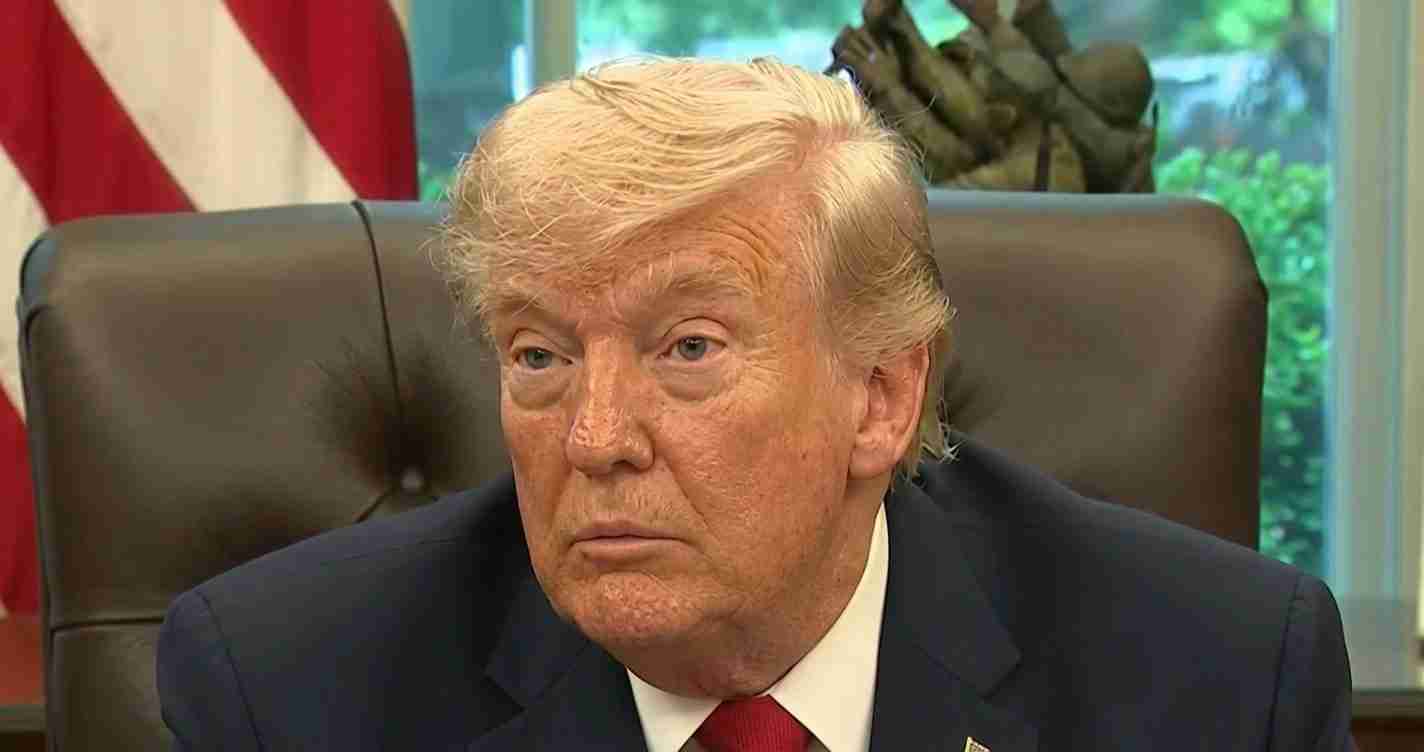
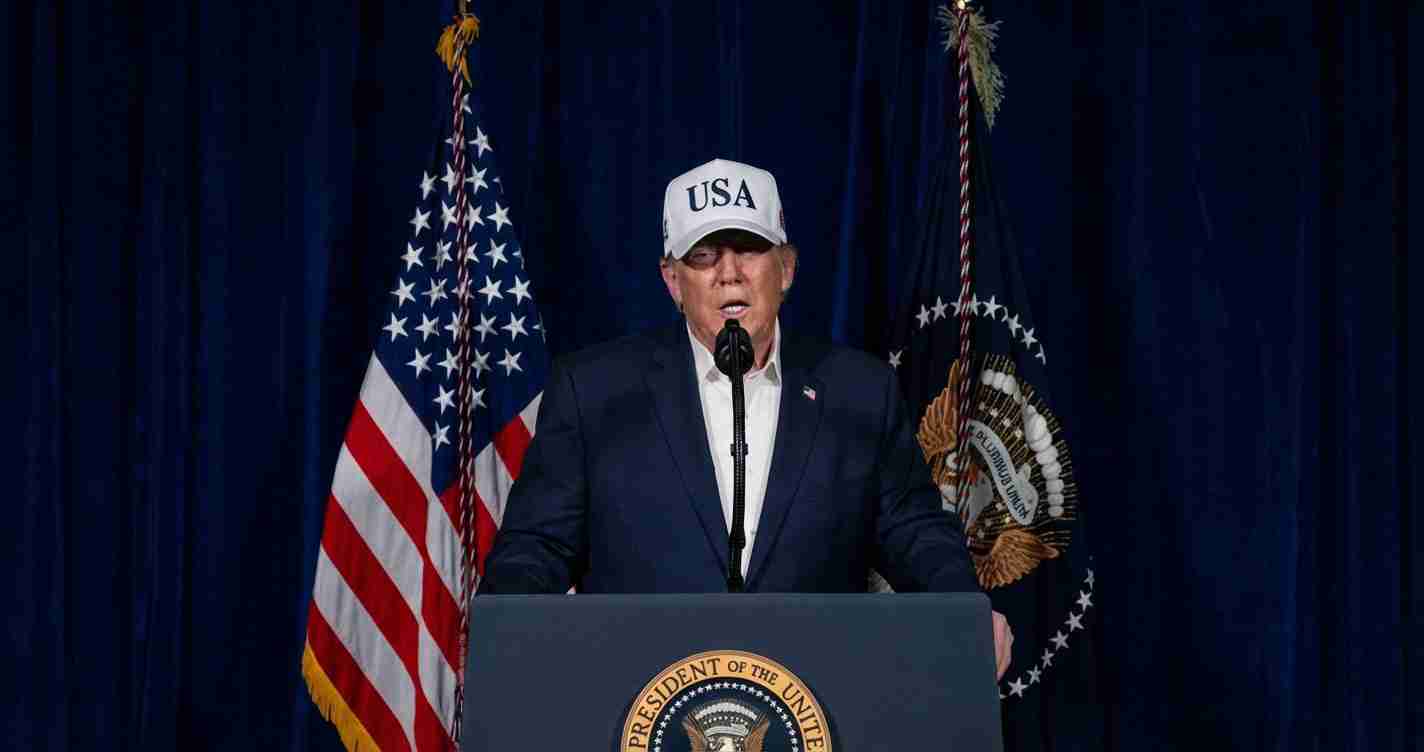
In a recorded statement shared on Truth Social, Trump described Iran as “a vicious group of very hard, terrible people” and said the United States would not tolerate what he called “mass terror.” He framed Operation Epic Fury as necessary to “prevent this very wicked, radical dictatorship from threatening America and our core national security interests.”
On nuclear weapons: Trump reiterated a long-standing policy: “It has always been the policy of the United States, in particular my administration, that this terrorist regime can never have a nuclear weapon.”
On casualties: He warned of possible American losses: The Iranian regime seeks to kill. The lives of courageous American heroes may be lost and we may have casualties. That often happens in war.
Reporting on the remarks and context is available via CBS News.
Operation details and stated objectives
The administration outlined several aims for Operation Epic Fury: to destroy missile launchers and production facilities, to degrade Iran’s naval capabilities, and to disrupt regional proxies that could destabilize neighbors. Officials said the strikes targeted sites assessed to pose imminent threats.
A senior U.S. official told reporters the focus was on locations judged to enable attacks on U.S. forces or to accelerate Iran’s path to deliverable long-range weapons. Reporting and confirmation of the operation’s start are documented by Politico.
History: How we got here
Officials say weeks of failed diplomacy over Iran’s ballistic missile program and nuclear activities moved the two countries closer to open conflict. Negotiations stalled after Tehran declined to engage on ballistic missiles, a development Secretary of State Marco Rubio described as “a big, big problem.” Coverage of the diplomatic breakdown is available via CBS News.
Trump earlier referenced a January warning that another strike could be “far worse” than a prior operation he called Operation Midnight Hammer, which he said had “obliterated the regime’s nuclear program at Fordow and Isfahan.” He asserted Washington repeatedly sought a deal but that Iran “refused,” prompting the new offensive.
Regional military response and wider conflict dynamics
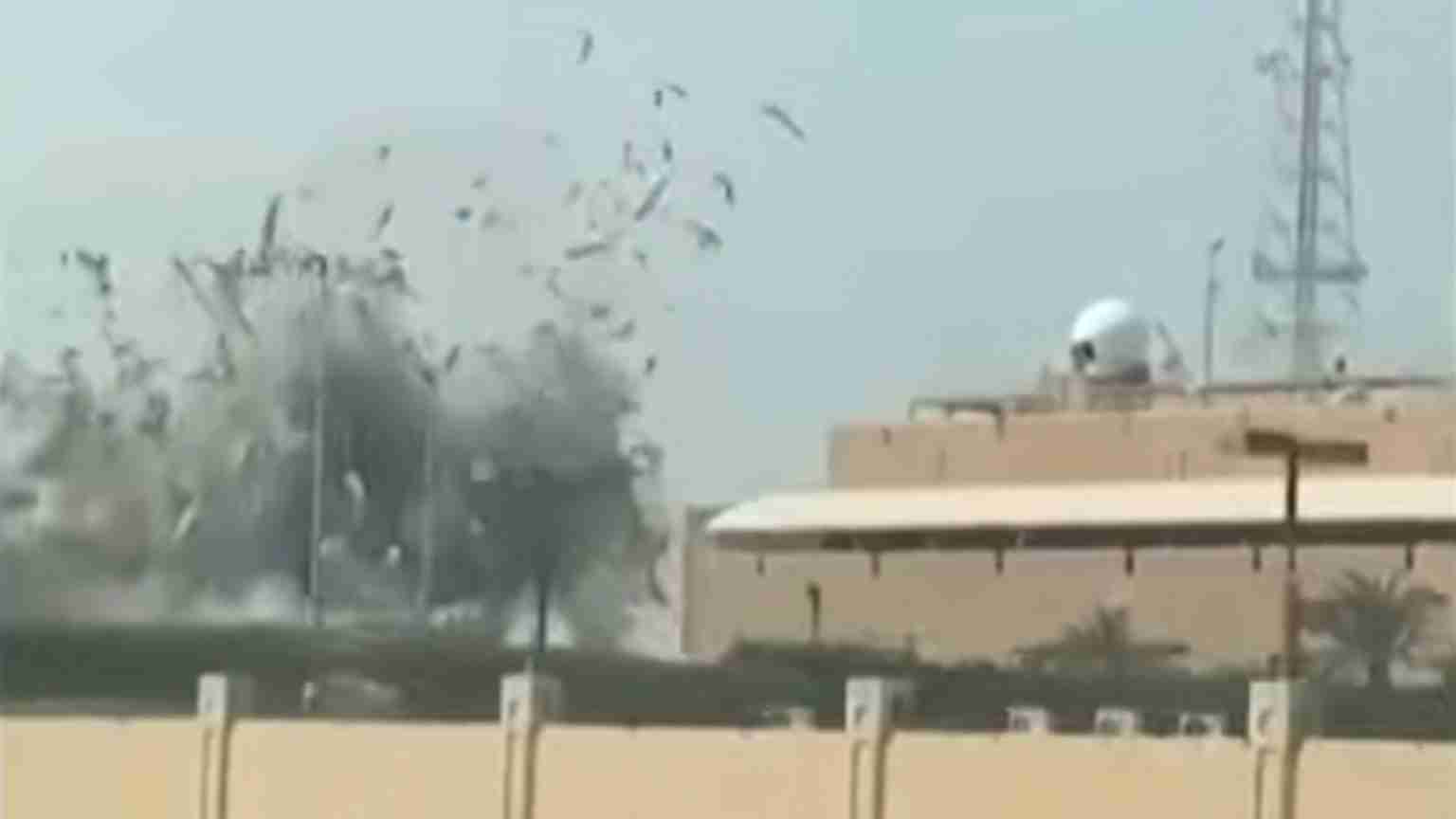
The strikes have extended beyond Iran’s borders. Israel reported repelling multiple missile barrages from Iran, and at least two major U.S. bases in the region were targeted, according to officials. Israeli and U.S. forces have struck back at targets tied to Iranian leadership and military infrastructure, raising concerns about a broader regional war (CBS News).
U.S. officials described coordinated activity with Israel in recent days. The combined U.S.-Israeli actions appear intended to remove immediate threats while degrading Iran’s longer-term capabilities (Politico).
Calls to Iranians and to opposing forces
Trump issued a stark ultimatum to the Revolutionary Guard Corps and other Iranian armed forces: lay down weapons and accept immunity or “face certain death,” he said. He also appealed to Iranian civilians to “rise up and take over your government,” asserting the United States seeks freedom and safety for the Iranian people. Observers note such rhetoric has legal and political implications for U.S. policy and international law.
Critics argue that public calls for regime change and promises of immunity could inflame tensions and raise the risk of civilian harm; U.S. officials maintain the strikes are targeted and defensive.
Weaponry, targets and the Iran nuclear program
The administration says strikes are designed to destroy missile launchers, production facilities and infrastructure that could advance Iran’s path to a weapon. Trump referenced the June Operation Midnight Hammer as having “obliterated” sites at Fordow and Isfahan, and said the new campaign aims to prevent any restart that could lead to a weapon (Truth Social video).
Analysts warn Iran’s nuclear-related work is dispersed and often concealed in hardened facilities; fully removing pathways to a weapon may require sustained pressure and extensive intelligence. Administration officials say they will continue to target what they describe as weapons-production and delivery systems rather than purely civil nuclear facilities (Politico).
Sources and reporting
This report draws on the president’s Truth Social remarks and the administration video (Video of Trump’s Truth Social remarks), reporting on strikes and commentary from CBS News, and coverage confirming the start of major combat operations by Politico.
Sources cited:
- Politico: Trump confirms U.S. has begun major combat operations in Iran
- CBS News: Live updates on U.S. and Israeli strikes, and Trump’s remarks
- Video of Trump’s Truth Social remarks
Implications for Sonoma, California
Economic impact: Sonoma County could face higher fuel and shipping costs if oil markets are disrupted. Local businesses tied to tourism — including wineries and hospitality — may see fewer visitors, and prolonged conflict could increase insurance and transport expenses for small operators.
Political consequences: Sonoma voters tend to be moderate; local officials may be asked to provide calm, clear guidance and explain federal actions’ impacts on priorities from veteran services to trade and environmental regulation.
Social effects: With a sizable veteran population and active civic groups, Sonoma may see vigils, protests and community forums. Families with National Guard members or reservists could face sudden deployments or anxiety about potential casualties.
Cultural relevance: Community resilience and humanitarian outreach are central in Sonoma. Nonprofits and faith groups may mobilize to support refugees or relief efforts; local conversation will likely balance support for service members with calls for diplomacy.
Practical steps for residents and leaders:
- Expect increased news coverage and potential travel advisories; monitor official county and federal updates.
- Businesses should review supply chains and contingency plans for shipping disruptions.
- Local officials can reduce fear by hosting verified-information forums and explaining impacts on county services, veterans’ resources and economic supports.
Preserve all original facts and source links above for verification and follow-up reporting.