US Keeps Breaking Renewable Energy Records as Wind and Solar Surge
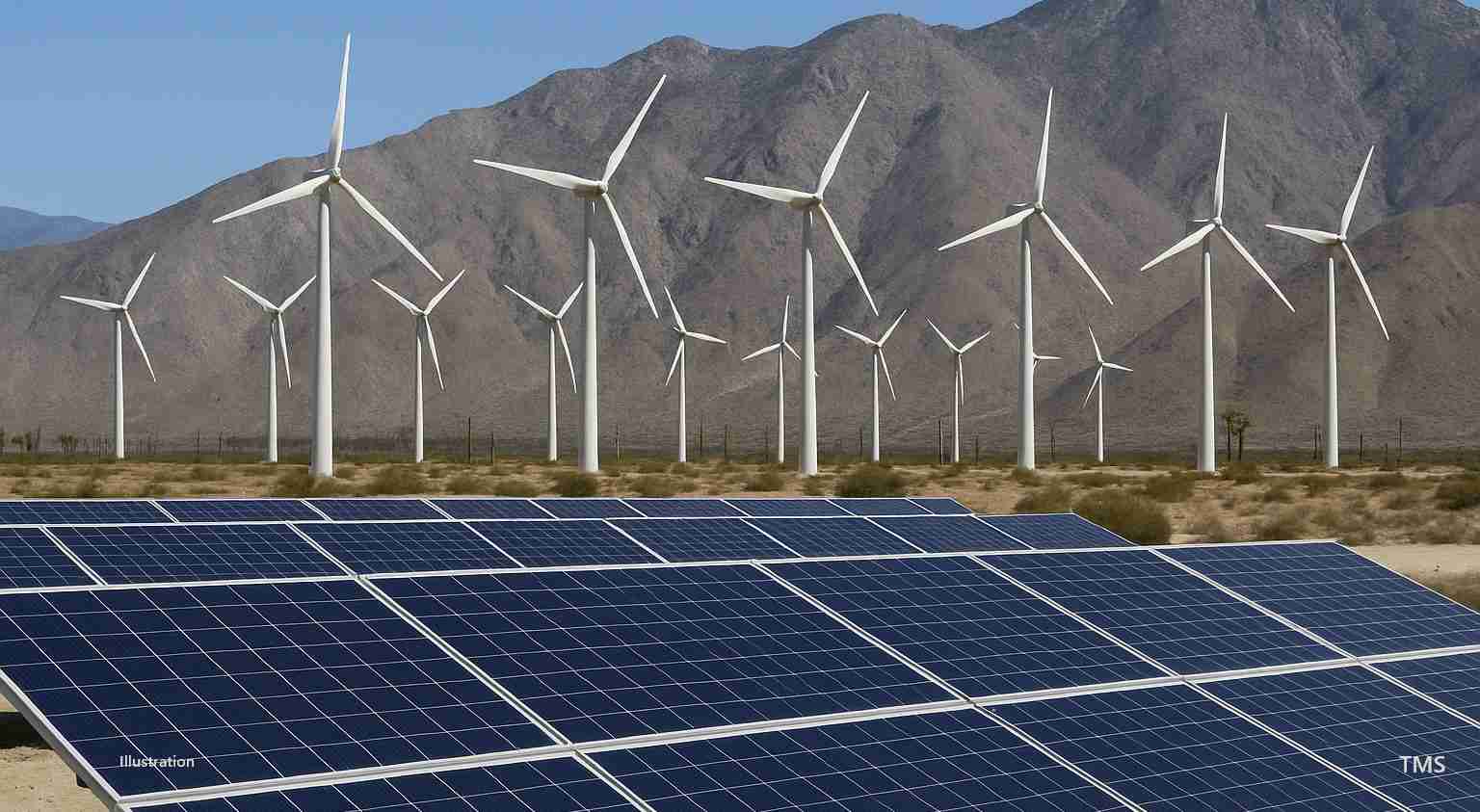
U.S. power is rapidly shifting as wind and solar surge, repeatedly breaking records and, for the first time, clean sources often surpassing fossil fuels in key metrics — driven by large solar and battery buildouts and strategic investments.
- Wind and solar reached 17% of U.S. electricity in 2024, topping coal at 15% — Ember Energy.
- In March 2025 clean sources generated 50.8% of U.S. electricity; fossil fuels fell to 49.2% — Ember Energy update.
- Utility-scale solar additions hit a record 31 GW planned in 2025 and battery storage added 10 GW, enabling more solar on the grid — EIA and Ember Energy.
Wind, solar and the shift in the grid
For many years, fossil fuels dominated U.S. electricity. That changed fast. In 2024, wind and solar together outpaced coal for the first time: wind and solar provided 17% of power while coal fell to 15% — data from Ember Energy shows.
Industry analysts point to steep cost declines for renewables and much faster build times compared with new fossil plants.
“The big headline came in March 2025: clean sources — mainly wind, solar and hydro — produced more than half of U.S. electricity for that month.”
That March milestone — with wind and solar alone reaching an all-time monthly high of 24.4% — demonstrates how renewables can meet the majority of U.S. power needs seasonally and regionally (Ember Energy update).
Solar and batteries: a key pairing
Solar growth is a major driver. In 2024, solar generation rose roughly 27%, and solar made up about 81% of new utility-scale capacity that year (Ember Energy).
Developers planned a record 31 GW of utility-scale solar in 2025 while battery storage additions totaled around 10 GW, helping shift daytime solar to evening hours and smoothing wind variability (EIA; Ember Energy).
In places like California, batteries are being installed at rates that sometimes outpace solar additions, enabling higher shares of solar and helping prevent evening blackouts on hot days.
Where the growth is happening — and where it is not
The boom is uneven. Texas has been a powerhouse: in the first half of 2025 Texas added about 3.2 GW of solar and planned another 9.7 GW, while its wind fleet continued breaking generation records (EIA; LA Times).
California and Nevada each topped 30% annual solar share for the first time, aided by aggressive battery deployment (Ember Energy).
But adoption is not uniform: 28 states generated less than 5% of electricity from solar in 2024, a gap reflecting differing state policies, land constraints and grid limits that leave room for future growth (Ember Energy).
Demand, emissions and the record pace
U.S. electricity demand rose roughly 3% in 2024 — one of the largest increases this century. Much of that growth was met by renewables, which helped limit per-unit emissions even though total emissions ticked up because of higher overall use (Ember Energy).
Journalists and analysts note renewable metrics — from peak generation to share of the mix to storage buildouts — have been surpassed on an almost weekly basis as utilities race to deploy wind, solar and batteries (LA Times; Heartspace).
Policy, investments and market momentum
Much of the momentum traces to investments and incentives adopted before the 2024 elections. Federal support under the prior administration helped mobilize roughly $100 billion in clean energy investments and tax incentives that accelerated projects and supply chains (LA Times).
Market forces also matter: renewables often cost less and are quicker to build than new fossil plants. The Energy Information Administration says if developers’ plans unfold, 2025 could see total new capacity additions near 64 GW, which would break the long-standing 2002 record (EIA).
Data sources and reporting
This report relies on recent industry and government analyses. Key findings come from Ember Energy’s US Electricity 2025 special report and its update on fossil fuels falling below 50% for a month. The U.S. Energy Information Administration provided data on additions and capacity plans. Additional context and reporting were drawn from Los Angeles Times and industry coverage including Heartspace.
Implications for Sonoma, California
Economic impact: Sonoma County stands to gain from ongoing solar and storage growth. Local installers, electricians and clean energy firms could see increased work as homeowners and businesses pursue rooftop solar and battery systems. Utility-scale projects are less likely inside Sonoma’s protected lands, but supply-chain jobs and project management roles could expand as California remains a national leader (Ember Energy).
Grid reliability and outages: Sonoma is part of a state that has invested heavily in battery storage to manage evening demand and wildfire-related grid stress. More batteries statewide means the region could see fewer emergency outages tied to supply shortfalls and better ability to use daytime solar later into the evening (EIA; Ember Energy).
Housing and electricity costs: Greater solar and storage penetration can help insulate residents from volatile fossil fuel prices. For Sonoma households that install rooftop solar and batteries, bills may become more predictable. Communities must also watch for costs passed through from grid upgrades required to accommodate more distributed generation.
Local policy and land use: Sonoma leaders face trade-offs. Protecting vineyards, open space and fire-safe landscapes may limit large solar farms. The county can speed rooftop solar permitting, support community solar for renters, and encourage battery incentives to boost local renewable use while preserving land.
Environmental and social effects: More renewables in California’s grid reduces air pollution and fossil generation, benefiting local communities. Transition costs can be uneven; workers tied to older fossil industries may need retraining. Sonoma’s community colleges and workforce programs could prepare local workers for jobs in solar installation, battery maintenance and grid services (LA Times).
Practical steps for residents
- Homeowners: Evaluate rooftop solar paired with batteries, especially if you face wildfire-related power shutoffs.
- Businesses: Explore on-site solar and storage to lower operating costs and improve resilience.
- Local officials: Streamline permitting, support rebate programs and expand access for low- and moderate-income households (Ember Energy; EIA).
Conclusion
The U.S. is setting new benchmarks for renewable power. As wind and solar expand and batteries multiply, regions like Sonoma will feel both the benefits and the planning challenges of a cleaner grid. The coming years will test how fast local communities can adapt to and capture the economic, environmental and reliability gains that record-breaking renewables promise.