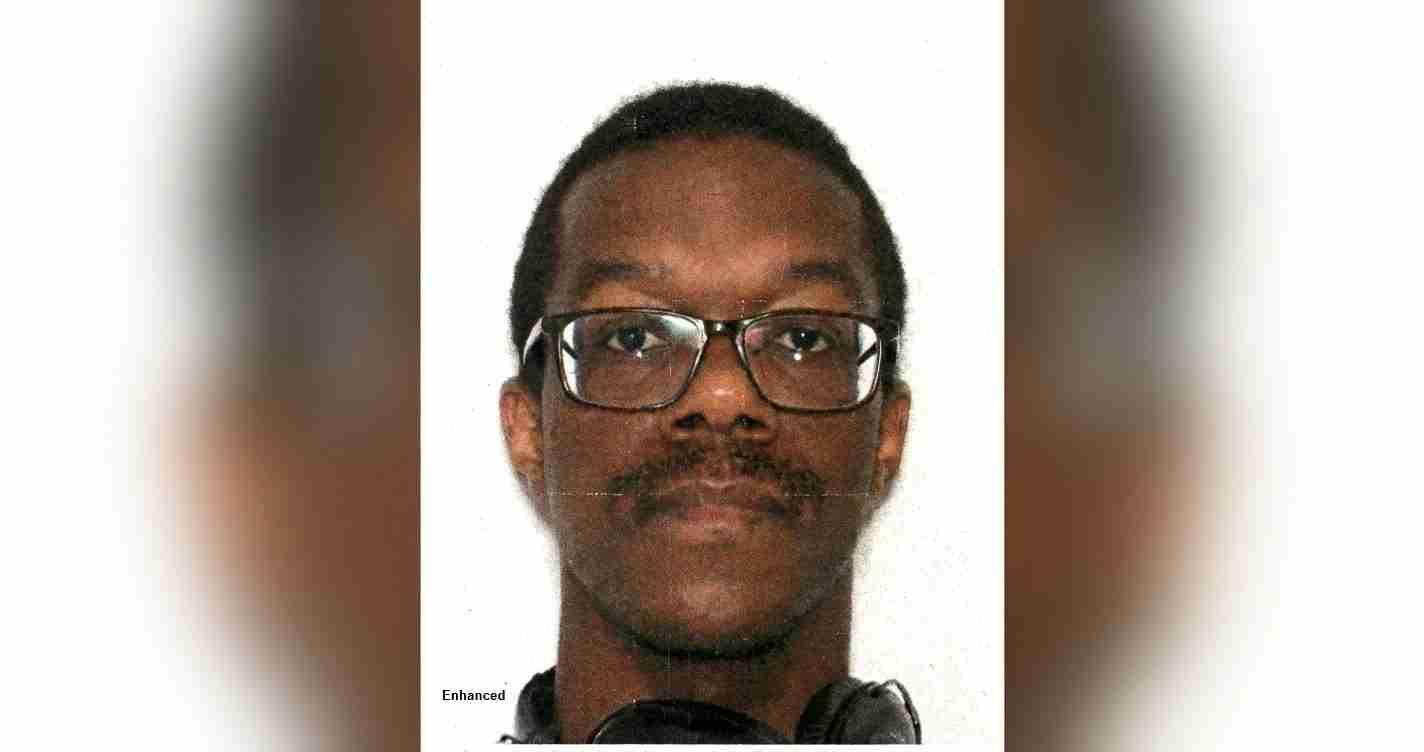
DHS accuses NBC Bay Area of hiding Gerardo Rojas-Leyva criminal history in arrest coverage
DHS Assistant Secretary Tricia McLaughlin publicly criticized NBC Bay Area for its San Jose arrest coverage of Gerardo Rojas-Leyva, saying the affiliate omitted alleged prior arrests and convictions and thus presented an incomplete, potentially misleading account.
- DHS criticism: Assistant Secretary Tricia McLaughlin said NBC Bay Area failed to report alleged prior arrests, convictions and prior removal related to Gerardo Rojas-Leyva, according to third‑party reports from American Faith, Slay News, and Resist the Mainstream.
- Allegations reported: The cited outlets and DHS statements list alleged prior charges including lewd acts with a minor, domestic battery, providing compensation for prostitution, and felony reentry after removal.
- Coverage focus: NBC Bay Area’s segment, as described by those outlets, emphasized the arrest scene and family accounts and referred to Rojas‑Leyva as an “undocumented father,” with no publicly cited on‑air response or correction from the affiliate in the linked reports.
DHS’s charge: what McLaughlin said and how it was reported
DHS Assistant Secretary Tricia McLaughlin took to social media to criticize NBC Bay Area’s coverage of the San Jose arrest. Multiple conservative and independent outlets reproduced or summarized her comments, reporting that she accused the affiliate of failing to disclose Rojas‑Leyva’s alleged prior criminal history and portraying him primarily as a victim during the arrest.
The outlets carrying McLaughlin’s remarks include American Faith, Slay News, and Resist the Mainstream, which published screenshots and summaries of McLaughlin’s posts.
Those reports say McLaughlin highlighted the suspect’s prior removal from the U.S., alleged resistance that required a taser, and a history of serious criminal charges. One quoted line attributed to McLaughlin in the coverage read: “media spin doesn’t change the reality that dangerous offenders have no right to remain in the United States.”
What NBC Bay Area reported (and what the outlets say it left out)
According to the third‑party sites, the NBC Bay Area segment focused on the circumstances of the arrest in San Jose and relayed family accounts — notably claims from the suspect’s wife that plainclothes officers confronted Rojas‑Leyva at his truck and that family members were harmed or frightened.
The affiliate’s report, as described by the outlets, reportedly described him as an “undocumented father” and emphasized the scene; the independent reports and DHS argue that this emphasis omitted what they call an “extensive” criminal record. The list of alleged prior charges reported by those outlets includes:
- Lewd and lascivious acts with a child aged 14–15
- Battery of a spouse / domestic battery
- Providing compensation for prostitution
- Felony reentry after removal from the United States
The third‑party reports also state DHS alleged Rojas‑Leyva had previously been removed from the U.S. and had returned illegally, and that he resisted arrest such that agents used a taser to detain him.
Attribution and limits of the reporting
This story’s claims about DHS statements and the NBC Bay Area segment are based on the three outlets cited above: American Faith, Slay News, and Resist the Mainstream. Those sites republished or summarized DHS statements and the local segment as they appeared in coverage and on social media.
At the time those outlets published, there was no publicly available record in their reporting of an NBC Bay Area response or correction. This article notes where reporting relies on third‑party accounts and includes links to the original pages for readers to review.
Why this matters: transparency, public safety and trust in local reporting
The dispute raises linked questions about journalistic transparency and public safety: should local reports on immigration enforcement include a suspect’s full criminal history when available, and how should newsrooms balance family testimony about an arrest scene with background on the person taken into custody?
DHS officials argue omitting prior convictions or removal history misleads the public about potential risks and undermines enforcement priorities. Critics counter that newsrooms must weigh legal, ethical, and verification issues (sealed records, common names, potential harm to victims) when deciding what to publish. Still, many readers expect local outlets to include relevant background when law‑enforcement statements exist.
Broader debate over media bias and immigration coverage
McLaughlin’s criticism frames the issue within a larger debate about media bias and immigration reporting. She, as reported, accused NBC of a pattern of “biased reporting” that softens coverage of criminal noncitizens and casts enforcement as misconduct.
Advocates for immigrant rights often emphasize reporting on the use of force and human consequences of enforcement. Law‑enforcement and homeland‑security officials stress community safety and identifying repeat or violent offenders. Local newsrooms must navigate these competing expectations while maintaining accuracy and fairness.
Questions remaining and sources used
This article relies on reporting and reproduced statements in the following pieces: American Faith’s coverage, Slay News’ summary and screenshots, and the Resist the Mainstream piece. As of publication, no direct mainstream republishing of DHS’s full statements or an NBC Bay Area editorial response was found in those sources.
Implications for Sonoma, California
Economic impact: Local trust in news can affect consumer behavior and investment. If residents believe outlets omit key facts about crime or enforcement, perceptions of safety may shift and affect tourism and hospitality.
Political consequences: Sonoma voters, described here as politically moderate and engaged, may press elected officials on cooperation with federal authorities and local enforcement practices if similar incidents arise.
Social effects: The issue touches community relations. Immigrant families may fear enforcement; perceived gaps in reporting can erode trust in both media and authorities and complicate community engagement on safety and public health.
Cultural relevance & practical applications: Sonoma’s civic culture values transparency. Residents may expect newsrooms to disclose editorial choices and provide links to court records or official statements when reporting arrests. Local editors could consider clearer online or on‑air disclosures about sources and omitted details.
Reporting note
This article is based on DHS statements and local coverage as reported by American Faith, Slay News, and Resist the Mainstream. At the time of publication, no direct response from NBC Bay Area addressing the specific allegations was found in those sources. Readers are encouraged to consult the linked material and NBC Bay Area for any updates or clarifications.