Iowa National Guard Soldiers Killed in Palmyra Syria ISIS Ambush; American Interpreter Also Dead
Two Iowa Army National Guard soldiers and an American civilian interpreter were killed, and three other Guard members wounded, after an ISIS-affiliated gunman ambushed a U.S. convoy near Palmyra, Syria, officials said, prompting an investigation and family notifications.
- Casualties: Two Iowa Guard soldiers and one American civilian interpreter killed; three other Iowa Guard members wounded — Des Moines Register, Iowa governor’s briefing.
- Unit: Fallen attached to the 2nd Brigade Combat Team, 34th Infantry Division; roughly 200–250 Iowa Guard members are among ~1,800 U.S. troops in Syria — Des Moines Register.
- Attack: Lone gunman armed with an automatic weapon opened fire on a combined U.S. convoy near Palmyra; attacker described as linked to ISIS and an external ambush.
- Response: U.S. military and coalition authorities opened an investigation; next-of-kin notifications completed and officials urged privacy — Iowa governor’s briefing.
What happened in Palmyra
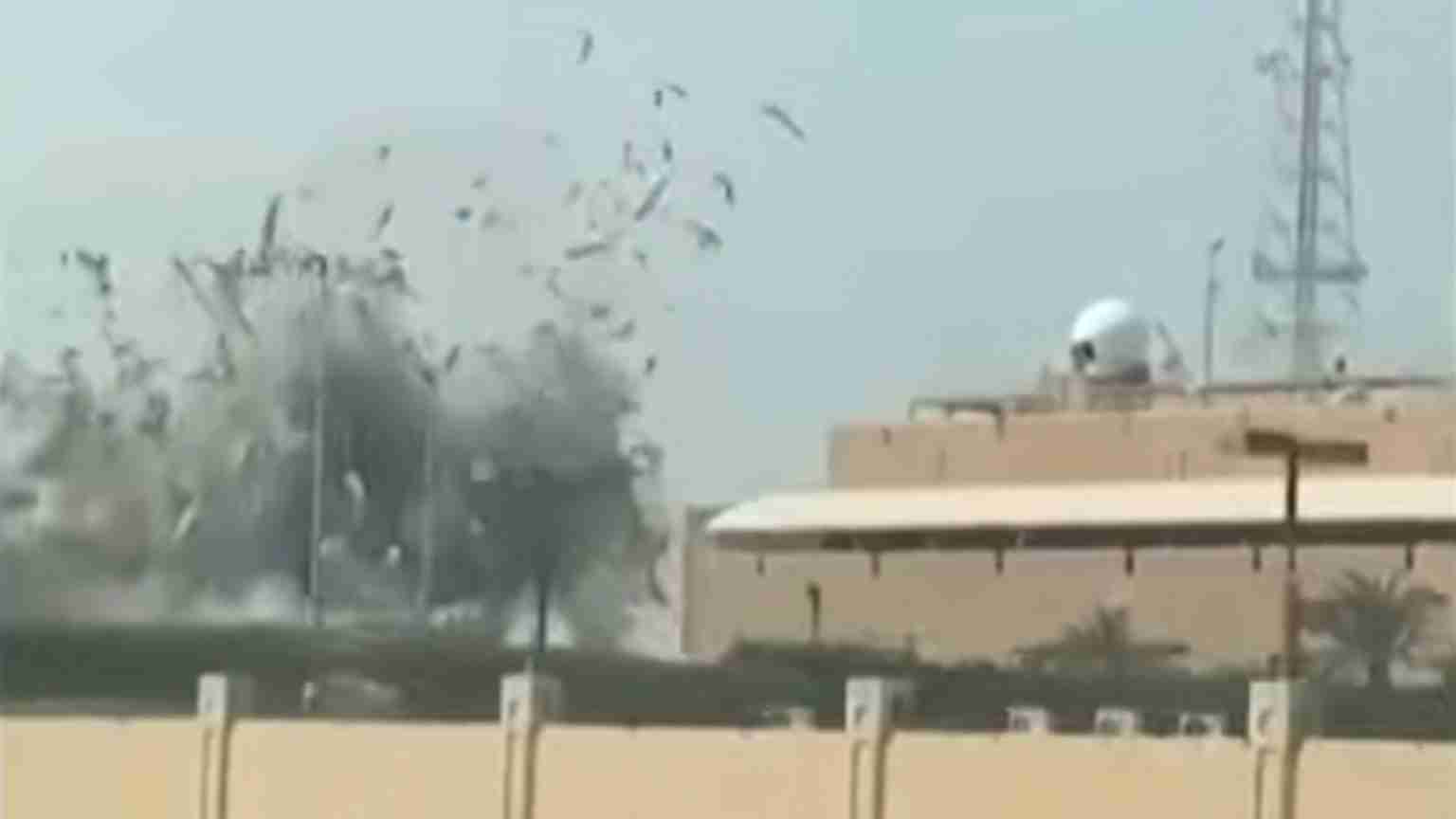
Early reports indicate a lone gunman used an automatic weapon to open fire on a combined U.S. convoy in or near the central Syrian city of Palmyra. Officials quickly characterized the attacker as linked to or acting on behalf of ISIS. The ambush killed three Americans — two Iowa National Guard soldiers and one American civilian interpreter — and wounded three additional Iowa Guard members, who are receiving medical care. Reporting and official briefings provide initial accounts and ongoing updates (Des Moines Register; Iowa governor’s briefing).
Palmyra context and mission
Palmyra and surrounding areas remain dangerous due to persistent pockets of ISIS activity and other armed groups. U.S. forces in the region are primarily tasked with training, advising and assisting local partner forces against Islamic State remnants. That mission routinely places small American teams and partner forces in contact with hostile actors who continue to plan and execute attacks.
Casualties and the status of identification
Iowa officials confirmed two Iowa Army National Guard soldiers died in the attack. Governor Kim Reynolds said next of kin had been notified and asked for privacy for the families; she described the Iowa Guard as close-knit and urged Iowans to support affected families and to pray for the wounded and other deployed members (Iowa governor’s briefing).
The American civilian interpreter was also killed; early reports identify that person only by role. Officials have not released names or additional personal details. The Pentagon typically releases service-member names 24–72 hours after next-of-kin notification; state officials said they will defer to that process (Des Moines Register).
Who the Iowa soldiers were and their mission
The two fallen were attached to the 2nd Brigade Combat Team, 34th Infantry Division of the Iowa Army National Guard. That brigade has elements deployed across the Middle East supporting U.S. Central Command operations focused on ISIS remnants. Officials said between 200 and 250 Iowa Guard members are among roughly 1,800 U.S. troops currently in Syria. Those soldiers primarily train and advise local partner forces and help maintain security gains against ISIS (Des Moines Register).
Governor Reynolds and senior Guard leaders, including Major General Stephen Osborn, participated in secure briefings with regional commanders and stressed state support for families and units affected. Officials emphasized privacy for the families and said more details would be released when appropriate (Iowa governor’s briefing).
Investigations and security questions
U.S. military and coalition officials opened an investigation into the Palmyra ambush. Investigators will examine how the attacker targeted the convoy and whether intelligence or security gaps contributed. Officials have described this as an external ambush rather than an insider attack and have not released the attacker’s identity or evidence of local assistance.
The inquiry will likely cover convoy routes, force-protection measures, local threat reporting and partner force coordination. Findings could inform immediate tactical changes and longer-term policy decisions about U.S. force posture in Syria. Military leaders balance transparency with operational security and family privacy during such probes (Des Moines Register).
Official reactions and public response
Governor Reynolds called the deaths “heavy” news, asked for prayers and pledged state support. Senior Guard leadership has been briefed and is coordinating with families. The Pentagon confirmed an investigation and coordinated casualty notifications; national leaders typically also comment after such incidents (Iowa governor’s briefing; Des Moines Register).
“We ask for privacy and support for these families as they process this loss,” Governor Reynolds said during a briefing, noting the close-knit nature of the Iowa Guard.
Local communities in Iowa often rally with memorials, fundraisers and support networks. Faith groups, veteran organizations and Guard family readiness networks provide counseling and direct assistance to affected families and units.
Questions still unanswered
Many details remain unclear: officials have withheld names pending notifications; the attacker’s identity and broader affiliations beyond an ISIS link are not public; and the role of route planning, intelligence or local security conditions in enabling the ambush is under investigation. Military investigators will seek answers in the days and weeks ahead (Des Moines Register).
Implications for Sonoma, California
Although the direct economic impact on Sonoma County is limited, the deaths of National Guard members can ripple through communities with veterans, service members and military families. Local effects may include memorial services, travel by family members, and increased demand for veteran and family support services.
Political consequences: For a politically moderate audience in Sonoma, the attack may renew debate about U.S. troop deployments and the role of Guard units abroad. Local officials may face questions about force protection and state-level family support.
Social and cultural effects: Sonoma’s tight-knit communities typically respond with vigils, moments of silence and outreach. The community’s emphasis on resilience and mutual aid suggests responses will focus on empathy and practical support rather than partisan debate.
Practical applications: Residents wishing to help can contact local veterans organizations, community centers and faith groups coordinating family assistance. Mental-health resources should be highlighted for veterans and families. For verified information, follow official releases from the Department of Defense and state National Guard offices as names and details are released.
Reporting notes and sources
This account is based on reporting and official statements. Key sources include the Des Moines Register and the Iowa governor’s briefing. Officials have said more details will be released after next-of-kin notifications and Pentagon casualty protocols are complete. Updates will follow as names, biographies and investigative findings become public.