Trump unveils “Golden Fleet” — plans for nuclear-armed battleships, aims to jump-start domestic shipbuilding
President Donald Trump announced the “Golden Fleet” on December 22, 2025 — a plan to build nuclear-armed battleships to expand U.S. naval power, jump-start domestic shipbuilding and supply chains, creating manufacturing jobs nationwide, immediately ordering two hulls.
Key takeaways
- New class: The administration announced the “Golden Fleet,” described as nuclear-armed battleships, with initial procurement of two ships and plans to scale to 10–25 vessels.
- Timeline: Officials said the first two ships could be delivered in roughly two and a half years, with a first launch aimed for 2028.
- Domestic focus: Ships will be designed and built in the U.S. to boost shipbuilding capacity, supply chains and manufacturing jobs.
- Open questions: Legal, treaty, cost, industrial capacity and operational survivability concerns remain unresolved.
Main content
What the administration announced
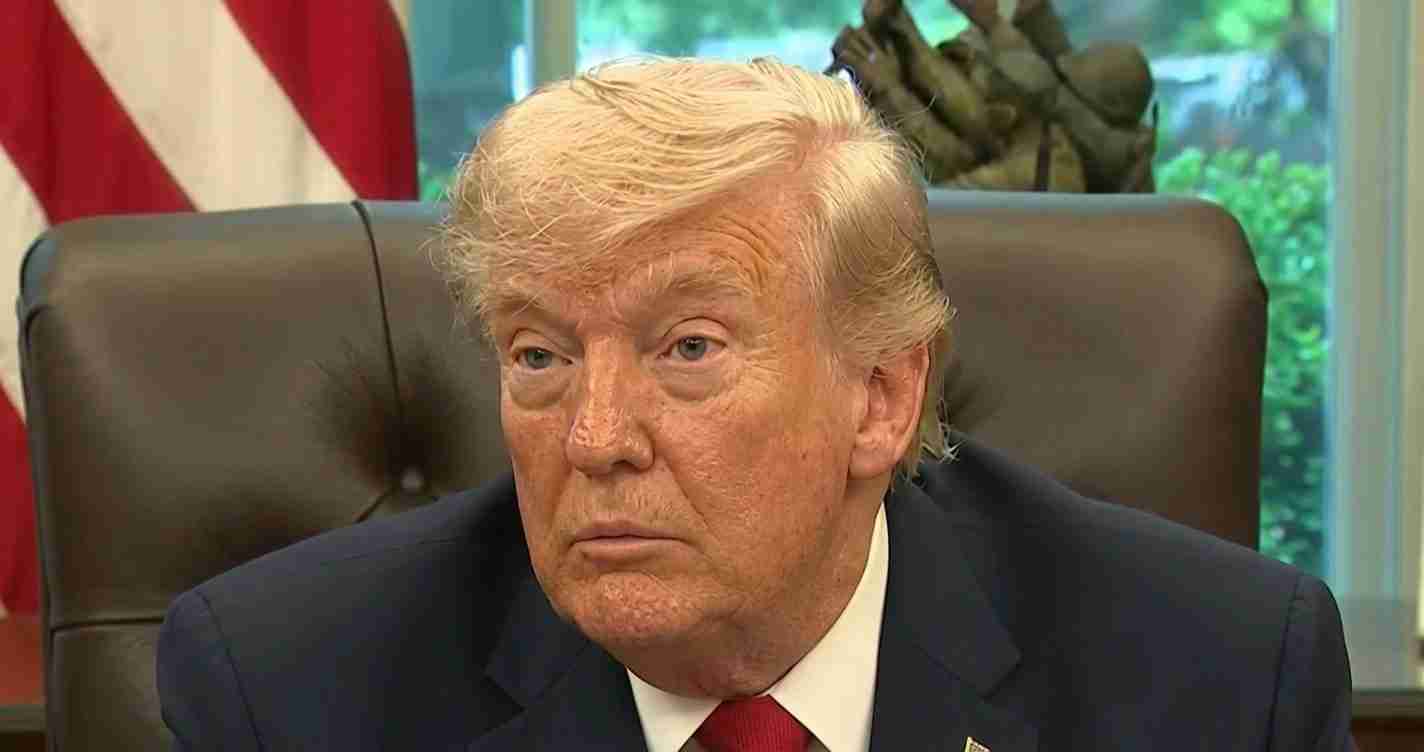
WASHINGTON — President Donald Trump, flanked by Secretary of War Pete Hegseth and Secretary of the Navy John Phelan, described the Golden Fleet as a decisive answer to a “readiness crisis” in American naval power. The administration characterized the program as a new class of large surface combatants — described publicly as nuclear-armed battleships — intended to deliver unprecedented firepower for non-submarine vessels.
Coverage and reporting referenced at the announcement include Naval News, CBS News, and the announcement video.
Secretary Phelan: “We’re done admiring the problem. Our focus is on readiness,” he said during the announcement, according to CBS News.
Production timeline and scale
The administration said it will immediately procure two ships and aims to ramp production over time to a fleet of between 10 and as many as 20–25 vessels. Officials set an aggressive schedule, saying the first two ships could be delivered in roughly 2.5 years and that the first launch could occur by 2028, per statements and the event video.
The plan emphasizes U.S.-based design and construction, with the administration framing domestic shipbuilding as a way to shore up critical supply chains and grow manufacturing capacity at home (CBS News).
Strategic context and Pentagon rationale
Officials presented the Golden Fleet as a response to rising maritime challenges and increased naval activity in strategic regions. The announcement referenced concerns about heightened naval activity in parts of Latin America and tensions involving Venezuela, arguing the fleet would help project power and protect U.S. interests in key waterways (CBS News).
The administration noted the United States has not built a traditional battleship since 1994, highlighting the proposed program as a significant shift from recent naval procurement trends (Naval News).
Questions raised by the announcement
Investigative reporting and analysts raised several unresolved issues, including:
- Legal and policy: Describing the ships as “nuclear-armed” raises arms-control, treaty and command-and-control questions. The administration has not released technical or legal briefs addressing these issues (Naval News).
- Cost and capacity: Building heavily armed large surface ships is expensive and will test industrial capacity, workforce availability and supply chains; independent cost and timeline estimates have not been released (CBS News).
- Operational roles and survivability: Large surface ships can be more visible and vulnerable than submarines; analysts question how the Golden Fleet would fit with carriers and submarines and how it would be defended (Naval News).
Implications for Sonoma, California
Economic impact and domestic shipbuilding opportunities: The program’s domestic focus could create opportunities for Northern California suppliers. While Sonoma lacks major blue-water shipyards, the region hosts firms that supply components, electronics, engineering services and logistics used by Bay Area yards. A sustained uptick in federal shipbuilding contracts could bring subcontracting work and hiring for local suppliers.
Workforce and training: Increased demand for skilled trades — welders, machinists, systems technicians — could spur hiring and require expanded community college and trade programs to create apprenticeship and hiring pipelines.
Ports, logistics and infrastructure: Nearby Bay Area shipyards could generate added commercial activity in the North Bay, increasing freight, parts movement and personnel travel; this would bring economic benefit but could strain roads and intermodal routes.
Environmental and community concerns: Nuclear-armed vessels operating on the West Coast raise safety and environmental questions. Sonoma’s tourism and outdoor-recreation economy could be affected by training, sonar use and the transit or storage of nuclear weapons or reactors; local officials and groups may press for thorough environmental reviews.
Political and civic engagement: The announcement may drive local political debate. Sonoma leaders may seek briefings on site selection, environmental reviews, contracting opportunities and community protections.
Practical effects on daily life: Short-term effects are likely to include hiring shifts, local contract opportunities, and more truck and rail traffic. Long-term shipbuilding investment could support higher-wage manufacturing jobs but also alter maritime recreation and fishing schedules during exercises.
Next steps for local leaders and residents
- Request clear information from the Navy and federal agencies on site selection and environmental reviews.
- Assess regional supplier capabilities and identify workforce training gaps.
- Expect public meetings and environmental assessments if nearby ports or yards are considered for the program.
Sources and reporting
This article draws on the administration’s announcement and reporting from the event and subsequent coverage: Video of the announcement; reporting and analysis from CBS News; and Naval News.
Reporting note
This article is based on the administration’s December 22, 2025 announcement and subsequent media coverage. See original coverage and source material at the links above for full video and reporting.