Pakistan Threatens Major Military Action After Qatar-Brokered Ceasefire Collapses with Taliban
Pakistan has warned of major military action after a Qatar-brokered ceasefire with the Afghan Taliban collapsed in October 2025, heightening cross-border tensions over TTP sanctuaries and border security along the Durand Line, and prompting threats of strikes and raids.
Key takeaways
- Doha ceasefire failed: A Qatar-mediated truce from Oct. 19, 2025, unraveled amid disputes over verification and militant sanctuary (The Cipher Brief).
- Intense border fighting: Heavy clashes and Pakistani airstrikes between Oct. 11–19 marked the deadliest fighting along the Durand Line since 2021 (Wikipedia).
- Pakistan signals escalation: Officials warned of drone strikes and cross-border raids to target TTP and Taliban assets if sanctuaries persist (The Cipher Brief).
Main content
Background
On Oct. 19, 2025, mediators from Qatar and Turkey, with Saudi support, helped broker a ceasefire between Pakistan and the Afghan Taliban intended to halt offensive operations and cross-border attacks. Despite written pledges, core disagreements—especially over the presence of Tehreek-i-Taliban Pakistan (TTP) militants on Afghan soil—undermined trust and implementation (The Cipher Brief).
Ceasefire terms and why they failed
On paper, both sides agreed to stop offensive actions and prohibit cross-border attacks, and mediators proposed verification measures. In practice, Islamabad demanded Afghanistan prevent TTP groups from using Afghan territory to plan attacks; the Taliban denied responsibility for all TTP actions and resisted Pakistani demands for active policing of remote border provinces. That stalemate left negotiators accusing one another of bad faith and made verification ineffective (The Cipher Brief; Wikipedia).
What happened on the ground: fighting and strikes
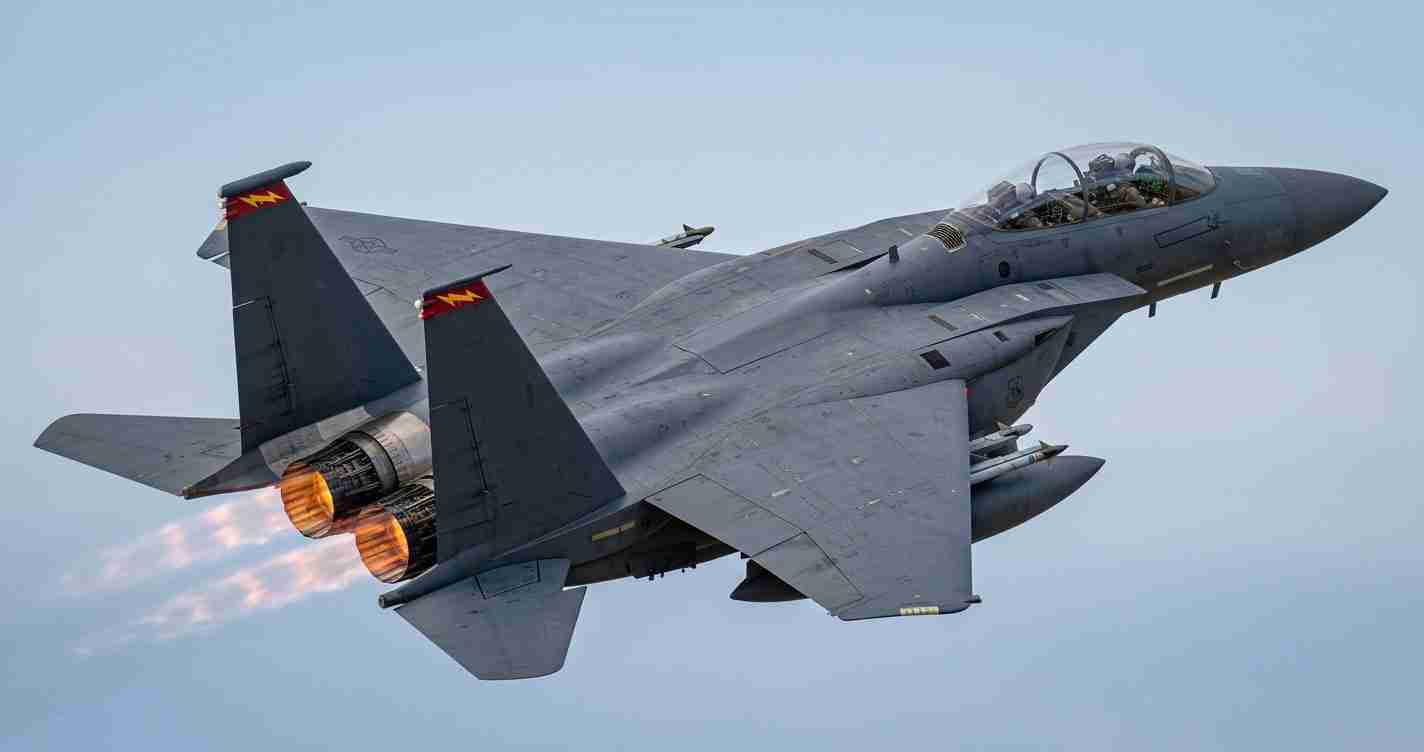
Between Oct. 11–19, 2025, large-scale fighting erupted along the Durand Line. Pakistani airstrikes targeting TTP positions reported in and around Kabul were followed by Taliban counterattacks; both sides deployed heavy weapons. Observers described this as the deadliest border clash since the Taliban returned to power in 2021 (Wikipedia).
After the truce faltered, Pakistani military sources signaled options ranging from drone strikes to cross-border raids targeting provinces such as Kunar, Nangarhar and Khost; Afghan media reported civilian casualties, including children, and the Taliban formally protested to Pakistan’s ambassador in Kabul.
Pakistan’s stance and military posture
Defense Minister Khawaja Muhammad Asif warned Pakistan “does not need its full arsenal” to “push the Taliban back to the caves for hiding”, signaling willingness to intensify operations to eliminate militant sanctuaries. Military analysts outline options from targeted drone strikes to limited raids, while cautioning that a wider campaign risks escalating civilian harm and regional instability (The Cipher Brief).
Civilian impact and displacement
The human toll has been significant: reports point to more than 100 fatalities in affected border regions over the past three years and dozens of clashes, with provinces such as Khost, Paktia, Paktika, Nimroz, Nangarhar and Kunar hardest hit (Wikipedia). Ongoing strikes and raids threaten further displacement and strain on humanitarian agencies and host communities.
Regional diplomacy and why outside states stepped in
Qatar and Turkey led mediation efforts, backed by Saudi Arabia, motivated by concerns that a broader conflict could destabilize South and Central Asia, disrupt trade and refugee flows, and complicate relations with major powers. Their involvement reflects urgency among neighbors to prevent spillover effects (The Cipher Brief).
Disputed issues: TTP militant groups and the Durand Line
Two linked problems lie at the heart of the crisis: Pakistan’s accusation that the Taliban shelter TTP networks that attack inside Pakistan, and the contested Durand Line border that slices through tribal areas where fighters move freely. These factors complicate any verification or enforcement regime and fuel mutual suspicion (The Cipher Brief; Wikipedia).
What this means for future talks and military action
The collapse demonstrates the fragility of agreements absent robust, third-party verification. If Pakistan intensifies pressure, near-term goals will likely focus on degrading militant infrastructure and deterring attacks. However, raids and strikes risk provoking retaliation and deeper conflict, meaning future diplomacy must include stronger monitoring and enforceable verification mechanisms.
Implications for Sonoma, California
Economic impact: Sonoma’s ties to global markets make it sensitive to oil, gas and commodity price spikes that regional instability can trigger. Higher fuel and shipping costs could raise operating expenses for wineries, tourism, and local businesses.
Political consequences: Local officials and voters may pressure civic leaders to respond with humanitarian aid or resettlement programs; debates will likely balance public safety, fiscal responsibility and humanitarian duty.
Social effects: Sonoma’s immigrant communities and families with South Asian ties may experience anxiety; schools, faith groups and nonprofits could organize support and counseling.
Practical applications: Nonprofits and local agencies should review emergency reception plans for refugees, translation and mental-health resources, and contingency plans for supply-chain disruption.
Sources and further reading
- The Cipher Brief, “Afghanistan-Pakistan Ceasefire”
- Wikipedia, “Afghanistan–Pakistan clashes (2024–present)”
Reporting note
This article draws on diplomatic briefings and open-source reporting. Officials quoted include Pakistan’s defense minister Khawaja Muhammad Asif, whose comments were reported during and after the Doha talks. Further developments are possible as mediators and military commanders respond to on-the-ground events.