Pentagon accepts $130 million donation from anonymous “friend” of Trump to pay troops amid shutdown
The Pentagon accepted a $130 million donation Oct. 23 from an anonymous benefactor described by President Trump as “a friend,” intended to cover military pay amid a government shutdown — raising legal, transparency and precedent concerns.
- Donation accepted under Pentagon general gift authority to offset pay and benefits; officials say it is a stopgap, not a substitute for Congressional appropriations. (Source: Military.com)
- President Trump announced the anonymous $130 million check at a White House event and called the donor “a patriot”; the administration has not disclosed the donor’s identity. (Source: White House video)
- Legal, ethical and transparency questions are raised about private funding for core government functions and potential influence if donors remain undisclosed. (Source: Economic Times)
- Local impacts in Sonoma, California: timely pay can ease household strain now, but private gifts do not resolve broader readiness, budget, or long-term fiscal issues. (Context: Military.com)
Donation details and Pentagon response
Pentagon officials confirmed the gift arrived Oct. 23 and was accepted under the department’s general gift authority, which allows the Defense Department to accept voluntary contributions for certain authorized purposes. The department said the funds were designated to offset pay and benefits that would otherwise be interrupted by the partial lapse in appropriations, but officials provided few specifics about apportionment across services, pay cycles, or benefit lines. (Source: Military.com)
Pentagon spokespeople expressed gratitude and framed the gift as short-term relief. Officials emphasized the donation is a stopgap and reiterated that Congress must act to fully fund the government. One official summarized the position:
“We are grateful for the support, but it is not a substitute for Congress acting to fully fund the government.”
Trump announcement and donor anonymity
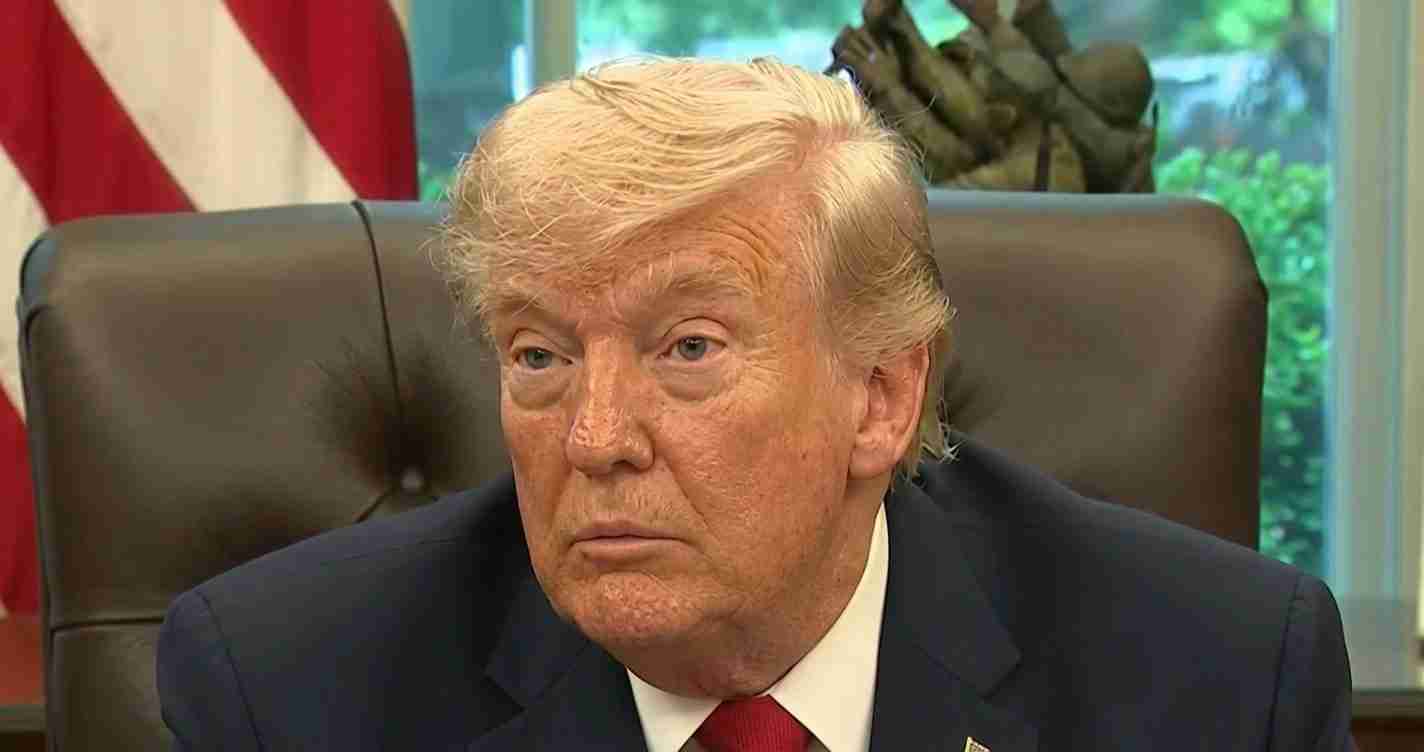
At a White House Homeland Security Task Force roundtable, President Trump publicly framed the contribution as a patriotic act by an unnamed ally: “A friend of mine … said, I’d like to contribute any shortfall you have because of the Democrat shutdown. He sent us a check for $130 million … he doesn’t really want the recognition … but that’s what I call a patriot.” The administration has not released the donor’s name. (Sources: Military.com; AOL; White House video)
Legal and ethical questions
Legal experts and watchdogs note that while the Pentagon has some authority to accept gifts, using private funds for routine payroll is highly unusual. Congressional appropriations are the designed mechanism for paying military personnel, and private funding for payroll could create the appearance or reality of donor influence over policy or operations if contributors remain unidentified. (Sources: Military.com; Economic Times)
Transparency advocates argue disclosure matters: unnamed donors raise concerns about conflicts of interest and possible expectations tied to large contributions. Officials maintain the general gift authority permits acceptance when donations benefit service members, but critics say Congress should clarify limits to prevent private actors from filling budget gaps in ways that could affect policy.
Shutdown impact on Pentagon finances
The donation highlights strain caused by the ongoing shutdown. The Pentagon has already reprogrammed billions from other accounts to cover payroll and critical operations. Officials warn the $130 million could be exhausted if appropriations are not restored, and long-term readiness, training, and maintenance remain vulnerable. (Source: Military.com)
Media reaction and political response
Coverage has been widespread and polarized. Some outlets emphasize the donor’s generosity and immediate relief for troops; others highlight the risks of private money entering national defense and the political optics of the president publicizing the gift. Lawmakers from both parties have pressed for more transparency, and ethics watchdogs are demanding answers about any terms attached to the donation. (Sources: AOL; Economic Times)
What remains unclear
Pentagon officials have not provided a full accounting of how the $130 million will be distributed across pay and benefits, nor whether it covers all shortfalls for the next pay period. The donor’s identity is undisclosed. Congressional oversight and inspector general inquiries are expected to seek documents and testimony about any conditions tied to the gift. (Sources: Military.com; AOL)
Implications for Sonoma, California
The donation may have several localized effects in Sonoma County, where many households include service members or have close ties to military families. Immediate payroll relief can prevent short-term hardship, but the episode also fuels debate about public responsibility, transparency, and whether private funds should fill public fiscal gaps.
Economic impact
- Local military families: Timely pay matters to household budgets; the donation can avert short-term financial strain if it keeps paychecks flowing. (Context: Military.com)
- Small businesses and service providers: Restaurants, landlords, retailers and vendors that serve military families may see spending stability if pay continues; a prolonged shutdown and exhausted donations could depress local consumer spending.
Political consequences
- Local officials and voters: Constituents in Sonoma may demand their members of Congress press for transparency and a legislative resolution to ensure uninterrupted military pay.
- Trust in institutions: The use of a private gift to cover pay could intensify calls for stronger Congressional oversight and disclosure rules.
Social effects
- Veterans and support networks: Local veterans’ groups and nonprofits may see increased demand for emergency assistance if the shutdown deepens.
- Community solidarity: Philanthropic responses may emerge locally, but residents may also question why public funding is not ensuring basic needs.
Cultural relevance
Sonoma’s civic norms value transparency and community accountability. An undisclosed donor funding troop pay may clash with local expectations and prompt debate over the role of private money in public responsibilities.
Practical applications for residents
- Check direct sources: Residents with family in the military should monitor official Pentagon and service-branch communications for payroll updates. (Source: Military.com)
- Contact representatives: Constituents can contact their U.S. senators and House member to demand transparency and a legislative fix.
- Local support resources: Reach out to county veterans’ service organizations and nonprofits that provide emergency assistance to families facing financial strain.
- Follow oversight developments: Watch for congressional hearings or inspector general inquiries that may disclose more about the donation and any attached terms. (Sources: Military.com; Economic Times)
Reporting on this story will continue as lawmakers seek answers and the Pentagon provides more detail on how the funds are used. Sources: Military.com; AOL; White House video; Economic Times